Museveni Sworn in for Seventh Term in Uganda
The Swearing-in Ceremony and Its Significance
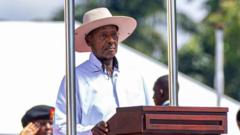
Yoweri Museveni, at 81 years old, officially began his seventh term as President of Uganda in a ceremony held in the capital, Kampala. The event marks a historic milestone, solidifying his position as one of Africa's longest-serving leaders. Dressed in a traditional Ugandan kitenge suit, Museveni took the oath of office before a crowd of supporters, government officials, and foreign dignitaries, pledging to uphold the constitution and serve the nation. This swearing-in comes after his narrow win in January's elections, which were marred by allegations of irregularities, voter suppression, and opposition crackdowns.
The ceremony, attended by representatives from neighboring East African countries, highlighted Museveni's enduring influence in regional politics. Security was tight, with a heavy police presence to prevent potential protests from opposition groups who have decried the results as fraudulent. Museveni's speech emphasized economic recovery and national unity, promising investments in infrastructure and agriculture to address Uganda's growing youth population and unemployment challenges. However, critics argue that his extended rule could deepen political divisions and stifle democratic reforms.
Background on Museveni's Long Rule
Museveni's political journey began in the 1980s when he led a rebellion that ousted the previous government, ushering in an era of relative stability after years of turmoil. Since taking office in 1986, he has won multiple elections, but many have been contested. His initial popularity stemmed from ending civil conflicts and promoting economic growth, transforming Uganda into a key player in East Africa. Over the decades, Museveni has navigated challenges such as the HIV/AIDS epidemic, regional insurgencies, and economic reforms backed by international lenders like the World Bank.
By 2026, Museveni's tenure has spanned more than four decades, outlasting many of his contemporaries. Constitutional amendments in previous years removed presidential term limits, allowing him to run again. This has drawn criticism from human rights organizations, which point to restrictions on press freedom and opposition activities. Despite these controversies, Museveni retains support in rural areas, where his policies on security and development resonate with voters facing poverty and instability.
The Disputed January Elections
The January 2026 elections were highly contentious, with Museveni securing victory amid reports of voter intimidation and irregularities. Opposition candidate Bobi Wine, a popular musician-turned-politician, challenged the results, alleging widespread fraud and calling for international intervention. Election observers from the European Union and African Union noted concerns over the electoral process, including delays in voting and arrests of opposition supporters. Museveni's National Resistance Movement party dismissed these claims, attributing them to sore losers.
The elections saw a high voter turnout, reflecting Uganda's youthful demographic, with over 70% of the population under 30. Issues like corruption, unemployment, and healthcare dominated the campaign trail. Museveni's win extended his rule to at least 2031, raising questions about succession and the potential for a political dynasty. In the aftermath, protests erupted in urban centers, leading to clashes with security forces and reports of casualties, further polarizing the nation.
Implications for Uganda and Beyond
Museveni's seventh term could have profound implications for Uganda's domestic and international standing. Economically, the country has seen steady growth, with sectors like oil production and tourism driving development. However, critics warn that prolonged one-party dominance might deter foreign investment due to concerns over governance and human rights. In East Africa, Museveni's leadership in organizations like the East African Community positions Uganda as a regional mediator, particularly in conflicts involving neighboring countries such as South Sudan and the Democratic Republic of Congo.
On the global stage, relations with Western nations have been strained by election disputes, potentially affecting aid and trade agreements. Meanwhile, China has emerged as a key partner, funding infrastructure projects that bolster Museveni's agenda. Domestically, the term could accelerate efforts to address climate change and youth empowerment, but it also risks escalating tensions if opposition voices are suppressed. As Uganda navigates these challenges, the international community will watch closely for signs of reform or further entrenchment of power.
In conclusion, Museveni's swearing-in underscores the complexities of African politics in 2026, where long-term leadership balances stability against calls for democracy. His extended rule will likely shape Uganda's future trajectory, influencing everything from economic policies to social reforms.