New Zealand Bat First as Bangladesh Make Key Changes
Introduction to the Match Dynamics
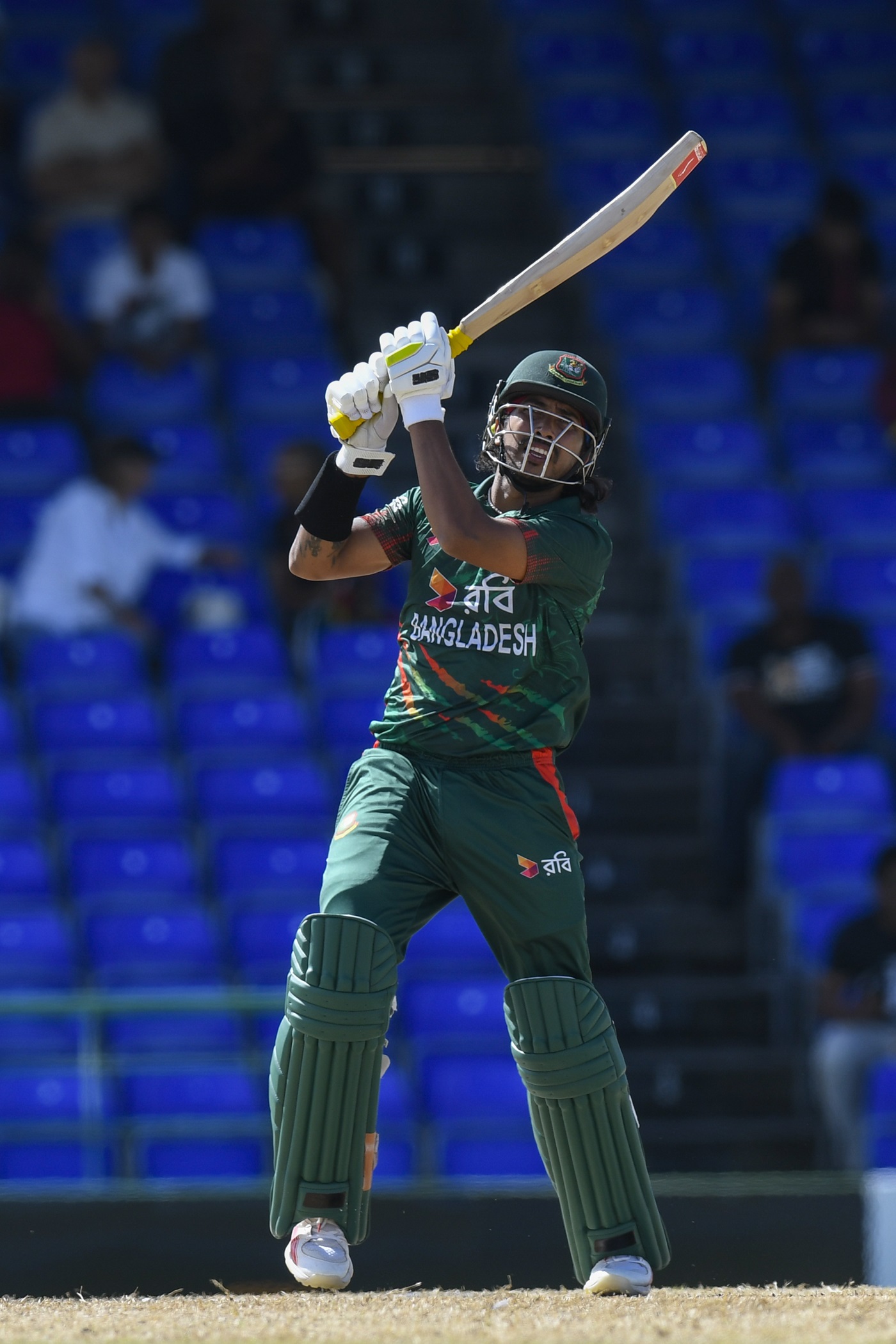
In a highly anticipated cricket encounter on April 20, 2026, New Zealand won the toss and opted to bat first, maintaining their unchanged XI against Bangladesh. This decision came on a pitch at the venue, expected to favor fast bowlers, setting the stage for an intriguing contest. Bangladesh, meanwhile, made a solitary change to their squad, bringing in opener Soumya Sarkar to replace the out-of-form Afif Hossain, while persisting with Shoriful Islam despite Mustafizur Rahman's continued absence. This match, part of an ongoing series, highlights the strategic depth in international cricket as teams adapt to conditions and player availability.
Detailed Breakdown of Team Decisions
New Zealand's choice to bat first underscores their confidence in their batting lineup, which remains unaltered from their previous outing. Captain Kane Williamson, reflecting on the decision, noted the pitch's early moisture, which could assist seam movement, making it advantageous for his team to post a competitive total. The Kiwis' unchanged side includes key players like Devon Conway at the top and Trent Boult in the bowling attack, signaling stability and experience in their ranks. This consistency could prove vital in 2026's competitive calendar, where teams are increasingly relying on core players to navigate tight schedules.
On the other side, Bangladesh's tweaks reflect a calculated response to recent performances. Soumya Sarkar's inclusion brings a fresh dynamic to the batting order; known for his aggressive stroke play, Sarkar has been in decent form in domestic circuits leading up to this series. His replacement of Afif Hossain, who struggled in the previous match, indicates a shift towards bolstering the top order for quicker starts. Meanwhile, the persistence with Shoriful Islam, despite the pitch's fast-bowling-friendly nature, shows faith in his ability to extract bounce and swing, especially after his impressive spells in earlier games. Mustafizur Rahman's absence, due to injury, has been a blow, but Bangladesh's management is optimistic about his return for future fixtures.
Implications of the Pitch and Player Changes
The pitch conditions play a pivotal role in this matchup, with experts predicting significant assistance for pacers early on, potentially leading to a low-scoring affair if batting falters. New Zealand's decision to bat first could exploit any initial greening of the surface, allowing their batsmen to settle in before the pitch dries out. For Bangladesh, this means their bowlers, including Shoriful, will need to be precise to disrupt the Kiwi rhythm. The replacement of Hossain with Sarkar might enhance Bangladesh's aggressive intent, as Sarkar's ability to score boundaries could pressure the opposition bowlers later in the innings.
Looking at broader implications, these changes could influence the series outcome. In 2026, with cricket evolving rapidly due to technological advancements and player fitness regimes, such tactical moves are crucial. New Zealand's unchanged team might provide a psychological edge, fostering team cohesion, while Bangladesh's adjustments demonstrate adaptability, a key factor in modern T20 or ODI formats. If Sarkar delivers a quickfire innings, it could swing momentum in Bangladesh's favor, potentially leading to an upset in this evenly matched series.
Context Within the 2026 Cricket Season
This match is part of a bilateral series that has already seen intense competition, with both teams vying for supremacy in the lead-up to major tournaments in 2026. New Zealand, coming off a strong performance in the previous game, aims to solidify their position in the rankings, leveraging their balanced squad. Bangladesh, on the other hand, is building depth in their roster, using such series to test emerging talents like Sarkar. The absence of Mustafizur highlights the challenges of injury management in a packed calendar, where players are often pushed to their limits.
Historically, encounters between these two sides have been closely fought, with Bangladesh showing resilience against stronger opponents. In recent years, they've capitalized on home conditions, but on neutral grounds like this one, the dynamics shift. For 2026, this game exemplifies how teams must balance experience with innovation, as seen in Sarkar's inclusion, which could mark a turning point for Bangladesh's batting strategy. Analysts are watching closely, as outcomes here might influence selections for upcoming global events.
Player Profiles and Potential Impact
- Soumya Sarkar: As a dynamic opener, Sarkar's promotion could inject vitality into Bangladesh's lineup. His strike rate in 2026 domestic games has been impressive, averaging over 140, making him a wildcard against New Zealand's disciplined bowlers.
- Shoriful Islam: Retained for his pace and accuracy, Shoriful's role becomes even more critical on this pitch. His ability to swing the ball could trouble New Zealand's middle order if the batsmen play conservatively.
- New Zealand's Unchanged XI: Players like Williamson and Boult bring a wealth of experience, ensuring the team maintains pressure throughout the game.
In conclusion, this match on April 20, 2026, promises excitement as New Zealand's batting-first strategy meets Bangladesh's adaptive changes. The interplay of pitch conditions, player selections, and team tactics will define the day's play, offering fans a glimpse into the evolving landscape of international cricket.
This article is based on factual reporting from:
www.espncricinfo.com — Original Report ↗