Oil Prices Surge After US-Iran Clash in Hormuz Strait
The Incident in the Hormuz Strait
In a tense escalation of longstanding tensions, US and Iranian forces exchanged fire in the Hormuz Strait on Friday, triggering a rapid spike in global oil prices. The Strait, a critical chokepoint for oil transportation, handles about 20-30% of the world's seaborne oil exports, making any disruption a significant concern for energy markets. According to reports from US officials, the incident involved naval assets and was linked to ongoing disputes over regional influence and security in the Middle East.
US President Donald Trump, in a statement from the White House, emphasized that the ceasefire agreement between Washington and Tehran, established in late 2025 amid broader diplomatic efforts, is still intact. Trump's remarks aimed to reassure allies and markets that the exchange was isolated and not indicative of a broader conflict. He described the event as a 'minor skirmish' that was quickly contained, underscoring the US commitment to de-escalation while protecting vital shipping lanes.
Market Reaction and Economic Implications
The immediate aftermath saw Brent crude futures surge by over 5%, reaching $95 per barrel, while West Texas Intermediate (WTI) climbed to $90 per barrel. Traders attributed the volatility to fears of potential supply disruptions, as any prolonged instability in the Hormuz Strait could choke off oil flows from major producers like Saudi Arabia and the United Arab Emirates. This reaction echoes past episodes, such as the 2019 incidents involving tanker seizures, which also drove prices upward.
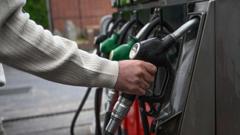
In 2026, with global demand for oil rebounding from previous years' fluctuations due to energy transitions and electric vehicle adoption, the market is particularly sensitive. Analysts from firms like Goldman Sachs and BP noted that the price jump could add pressure on consumer costs worldwide, potentially fueling inflation in oil-importing nations. For instance, in the US, gasoline prices at the pump are expected to rise by 10-15 cents per gallon in the coming weeks, impacting households and businesses already grappling with economic recovery efforts.
Geopolitical Context and Regional Dynamics
The Hormuz Strait has long been a flashpoint in US-Iran relations, with Iran's strategic positioning allowing it to exert influence over global energy supplies. This latest exchange occurs against a backdrop of intermittent diplomatic talks aimed at reviving aspects of the 2015 nuclear deal, which collapsed in the early 2020s. In 2026, efforts to negotiate a new framework have been complicated by Iran's advancing nuclear program and US sanctions, heightening the risk of miscalculations.
Regional allies, including Saudi Arabia and Israel, have voiced support for the US response, viewing it as a necessary deterrent against Iranian aggression. Meanwhile, Iran has historically framed such incidents as defensive measures against perceived threats to its sovereignty. Experts suggest that this event could prompt renewed diplomatic initiatives, possibly involving intermediaries like the European Union, to prevent escalation into a full-scale conflict that might draw in other actors, such as Russia or China.
Broader Implications for Global Energy and Security
The clash underscores the fragility of global energy security in 2026, a year marked by geopolitical shifts and the push towards renewable energy sources. While the ceasefire's confirmation by Trump provides a temporary reprieve, it highlights the need for diversified energy strategies to mitigate risks from such hotspots. Countries in Europe and Asia, heavily dependent on Middle Eastern oil, may accelerate investments in alternative supplies, such as those from the US shale sector or liquefied natural gas imports.
Furthermore, the incident could influence international policy discussions at forums like the G20 summit later this year, where energy stability is a key agenda item. Environmental advocates point out that events like this reinforce the urgency of transitioning away from fossil fuels, as volatility in oil markets contributes to economic inequality and climate change. Despite these calls, oil remains a cornerstone of the global economy, and any sustained disruption could ripple through financial markets, affecting stock indices and currency values.
In conclusion, while the US-Iran exchange in the Hormuz Strait appears contained for now, it serves as a stark reminder of the interconnectedness of geopolitics and energy markets. As stakeholders monitor developments closely, the focus will be on diplomatic efforts to maintain stability and prevent further incidents that could destabilize the global economy.