Panic Bans Generative AI for Playdate Development
Overview of the Ban on Generative AI Tools
In 2026, Panic, the innovative company behind the compact Playdate handheld gaming console, announced a firm prohibition on the use of generative AI tools in the creative aspects of game development. This decision, detailed in their updated guidelines, aims to preserve the authenticity and originality of content created for the Playdate platform. Generative AI, which includes technologies capable of producing art, code, or narratives autonomously, is now restricted, though Panic continues to allow AI tools that support routine productivity tasks, such as debugging or optimization.
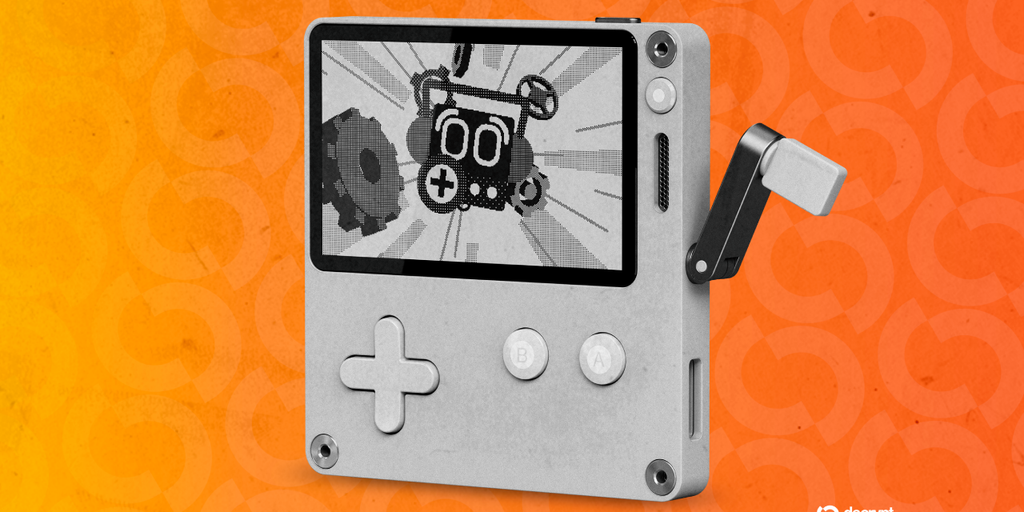
The Playdate handheld, first introduced in the early 2020s, has carved a niche in the gaming market with its unique crank mechanism and focus on indie game experiences. This ban reflects Panic's commitment to fostering human creativity and ensuring that games developed for the device maintain a personal touch. According to the official statement from Panic, the policy change was driven by concerns over the potential dilution of artistic integrity in an era where AI-generated content is becoming increasingly prevalent in digital media.
Detailed Breakdown of the Policy
Panic's new policy explicitly defines generative AI as any tool that creates original content, such as text, images, or audio, without direct human oversight. Developers working on Playdate projects must now certify that their submissions do not rely on these technologies for core creative elements. For instance, AI-assisted tools for generating game assets, like character designs or storylines, are prohibited, while applications that automate mundane tasks—such as code formatting or performance analysis—are still permitted. This nuanced approach underscores Panic's intent to balance technological advancement with ethical considerations in game development.
The announcement was made via Panic's official channels, including their website and developer forums, emphasizing transparency and community engagement. Developers have been given a grace period to adapt to these changes, with resources provided to help transition away from generative AI dependencies. This move comes at a time when the broader tech industry is grappling with similar issues, as regulatory bodies worldwide, including in the European Union and the United States, are scrutinizing AI ethics and intellectual property rights.
Implications for the Gaming Industry and Developers
This ban has far-reaching implications for independent developers and the gaming ecosystem at large. By enforcing a no-generative-AI rule, Panic is encouraging a return to traditional development methods, which could lead to more unique and handcrafted games on the Playdate platform. For developers, this means investing more time in skill-building and collaboration, potentially fostering a stronger creative community. However, it may also pose challenges, such as increased production costs and longer development cycles, especially for solo creators who rely on AI to expedite workflows.
In the context of 2026's rapidly evolving tech landscape, where AI integration is accelerating across sectors, Panic's decision sets a precedent for prioritizing human elements in creative industries. It could influence other hardware manufacturers and game platforms to adopt similar policies, potentially sparking a debate on the role of AI in entertainment. For the Playdate user base, this might result in a catalog of games that feel more authentic and innovative, enhancing the device's appeal in a market saturated with AI-driven content.
Context of Generative AI in Blockchain and Gaming
Generative AI has been a double-edged sword in the gaming and blockchain sectors. On one hand, it has enabled rapid prototyping and content generation, integrating seamlessly with blockchain technologies for applications like NFT-based games and decentralized art platforms. On the other hand, concerns about originality, copyright infringement, and the devaluation of human artistry have grown, particularly as AI models trained on vast datasets raise ethical questions. In 2026, with advancements in AI like improved neural networks and real-time generation capabilities, the tension between innovation and regulation is more pronounced than ever.
Panic's stance aligns with a broader movement in the creative industries to safeguard intellectual property. For instance, similar restrictions have been implemented by some blockchain projects to ensure that AI-generated assets do not undermine the uniqueness of tokenized art or games. This policy could encourage developers to explore alternative tools, such as open-source software or collaborative platforms, that emphasize human input. As blockchain continues to intersect with gaming—through play-to-earn models and decentralized marketplaces—Panic's decision highlights the need for guidelines that protect both creators and consumers from the pitfalls of unchecked AI use.
Future Outlook and Industry Response
Looking ahead, this ban may inspire other companies to reevaluate their AI policies, potentially leading to industry-wide standards for ethical AI deployment in development. Panic has expressed openness to revisiting the policy based on feedback and technological advancements, which could evolve as AI tools become more sophisticated and regulated. For the Playdate community, this development reinforces the device's identity as a platform for genuine innovation, possibly attracting developers who value craftsmanship over automation.
- Key benefits include enhanced game originality and stronger community bonds.
- Potential drawbacks involve higher barriers for entry and slower innovation paces.
- Broader impacts could include influencing AI regulations in creative fields.
In conclusion, Panic's ban on generative AI tools for Playdate development represents a thoughtful response to the challenges posed by advancing technology in 2026. By prioritizing human creativity, the company not only safeguards the integrity of its platform but also contributes to ongoing discussions about the future of AI in entertainment. This policy, if adopted more widely, could shape a more balanced and ethical approach to game development in the years to come.