Plants vs. Zombies: 2009 Strategy Game Revisited
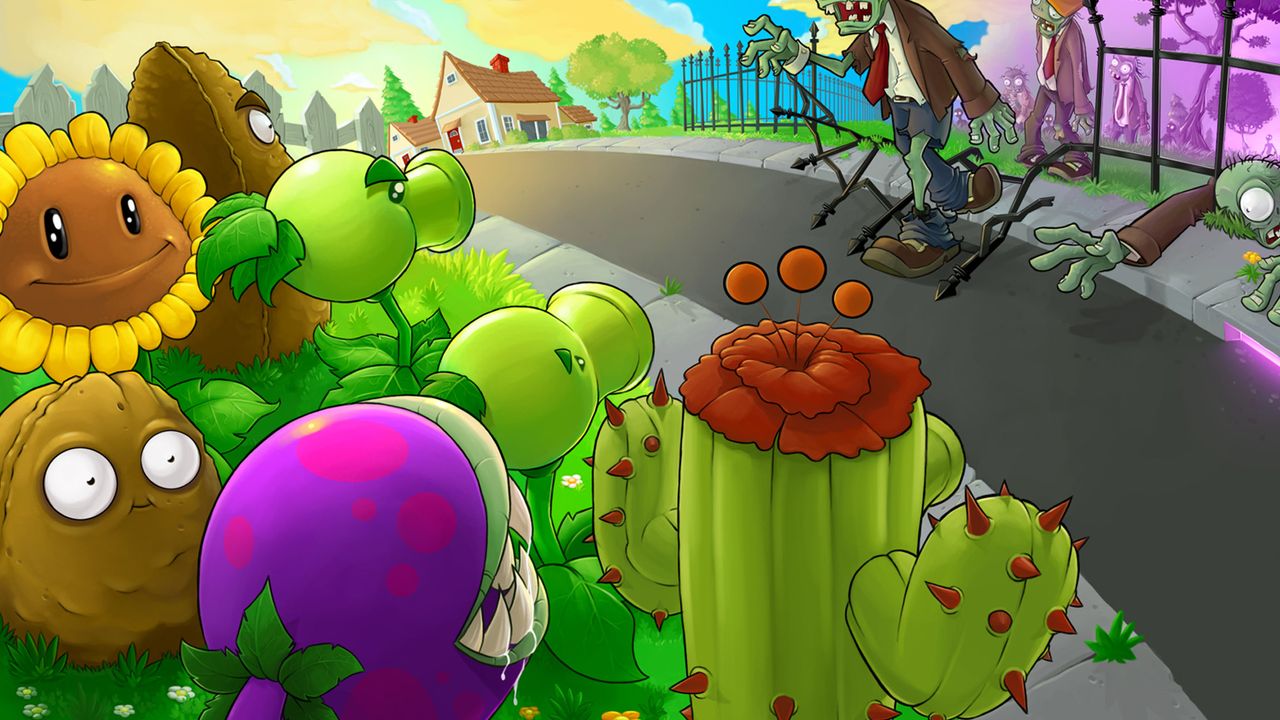
Introduction to a Timeless Strategy Classic
In the evolving landscape of gaming, revisiting foundational titles like Plants vs. Zombies from 2009 offers valuable insight into the genre's development. Originally released by PopCap Games, this tower defense strategy game pitted players against waves of zombies invading their lawns, using an arsenal of plants to fend them off. The PC Gamer review highlights its innovative mechanics, blending accessibility with depth, which resonated with players and critics alike. As we reflect in 2026, this game's enduring appeal underscores the evolution of strategy gaming from casual hits to complex esports-adjacent experiences.
Core Mechanics and Gameplay Breakdown
The game's core revolves around strategic placement of plants to defend against zombie hordes. Players select from a variety of plants, each with unique abilities—such as the pea-shooting Peashooter or the explosive Cherry Bomb—requiring resource management and quick decision-making. The PC Gamer review emphasizes how these elements create a balance of fun and challenge, appealing to both newcomers and seasoned gamers. In 2026, with advancements in AI-driven simulations and mobile integrations, the game's simple yet effective design serves as a blueprint for modern strategy titles, influencing current developments in procedural generation and adaptive difficulty.
Technical Aspects and Legacy in Modern Gaming
Technically, Plants vs. Zombies was built on a straightforward engine that prioritized performance and ease of use, running smoothly on hardware from the late 2000s. The review notes its polished graphics and sound design, which used 2D sprites and thematic music to enhance immersion without overwhelming system requirements. Fast-forward to 2026, this approach contrasts with today's high-fidelity AAA games, yet it demonstrates the importance of optimization in an era of widespread cross-platform play. The game's influence is evident in contemporary strategy releases, where similar mechanics are scaled up for esports tournaments, highlighting how early designs inform current competitive scenes.
Implications for the Gaming Industry in 2026
Looking at Plants vs. Zombies through a 2026 lens reveals its role in shaping genre conventions. The PC Gamer review praised its replayability and humor, factors that have become standard in modern games to boost engagement and community building. In today's context, with esports booming and cybersecurity concerns rising around game servers, this title's legacy prompts discussions on how casual games can evolve into professional arenas. For instance, sequels and spin-offs have integrated online multiplayer, potentially exposing vulnerabilities that cybersecurity experts must address. This evolution underscores the need for robust digital defenses in strategy games, ensuring player data remains secure amid increasing online interactions.
Contextual Relevance and Cultural Impact
By 2026, the cultural impact of Plants vs. Zombies extends beyond its initial release, influencing merchandise, mobile adaptations, and even educational tools that teach strategy through gamification. The original review captured its witty narrative, where players protect their home from zombies, adding a layer of storytelling that predates the narrative-driven games of today. This has implications for new game reveals, as developers draw from such classics to innovate in AAA titles, blending strategy with narrative elements. In an industry increasingly focused on esports and cyber threats, revisiting this game highlights the balance between fun and security, reminding us of the foundational role of early hits in driving technological advancements.
Evolution and Future Prospects
As gaming continues to advance, the principles from Plants vs. Zombies—such as intuitive controls and escalating difficulty—remain relevant. In 2026, with virtual reality and augmented reality integrations, strategy games like this could see revivals that incorporate these technologies, potentially leading to new esports formats. The PC Gamer review's endorsement of its addictive gameplay aligns with current trends in player retention strategies, which are crucial for monetization in free-to-play models. However, this also raises cybersecurity considerations, as older games ported to modern platforms might inherit vulnerabilities if not updated properly. Developers in 2026 must learn from such legacies to build resilient systems against hacks and data breaches.
Conclusion
Ultimately, Plants vs. Zombies stands as a testament to the power of innovative design in strategy gaming, influencing a generation of titles that dominate esports and digital entertainment. Its review from 2009, when revisited in 2026, illustrates the game's lasting impact on industry standards, from gameplay mechanics to community engagement. As the gaming world navigates new challenges, this classic serves as a reminder of the importance of creativity and security in equal measure.