Portal Co-Writer Erik Wolpaw Praises Burnout Paradise and Slay the Spire
Introduction to Wolpaw's Gaming Insights
In the evolving landscape of the gaming industry, insights from veteran developers like Erik Wolpaw offer a unique perspective on what makes games enduringly engaging. Wolpaw, best known for his contributions to the Portal series, recently shared his personal gaming preferences in an interview featured on a prominent gaming news outlet. This discussion highlights his deep appreciation for Burnout Paradise and Slay the Spire, emphasizing the strategic elements that keep him hooked.
A Deep Dive into Wolpaw's Favorites
Wolpaw's endorsement of Burnout Paradise, the 2008 open-world racing game developed by Criterion Games, underscores its timeless appeal. He describes it as a perfect blend of high-speed chaos and exploration, where players navigate a sprawling city environment, engaging in races, stunts, and multiplayer showdowns. Technically, Burnout Paradise revolutionized racing games with its seamless open-world design, utilizing advanced physics engines to simulate realistic vehicle handling and crash dynamics. This level of simulation requires players to master momentum, traction, and collision physics, making every decision critical in high-stakes races.
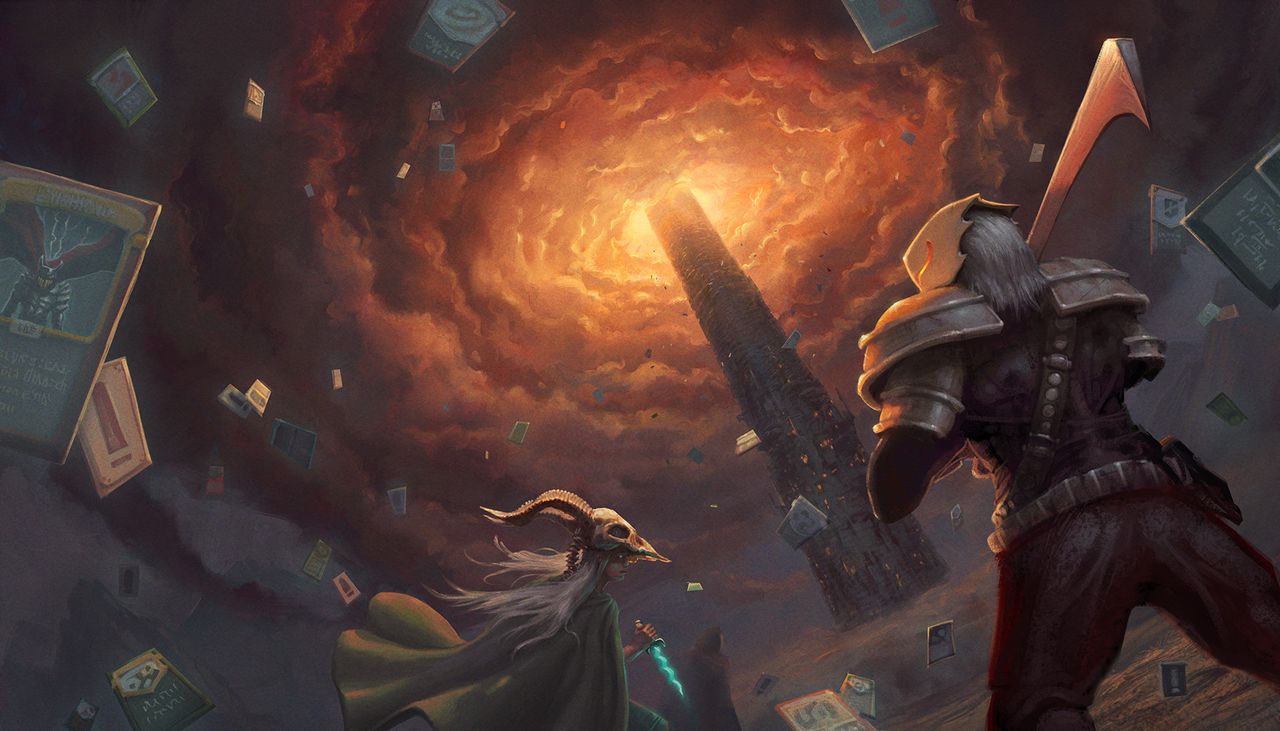
More strikingly, Wolpaw revealed he has logged over 1,500 hours in Slay the Spire, the roguelike deck-building game by MegaCrit. He attributes this to its 'perfect level of strategy,' where players build and optimize card decks while navigating procedurally generated dungeons. From a technical standpoint, Slay the Spire employs sophisticated algorithms for procedural generation, ensuring each run feels unique yet balanced. The game's core mechanics involve resource management, probability calculations, and adaptive AI, demanding players to anticipate enemy patterns and synergize cards effectively. This cognitive load, as Wolpaw puts it, strikes an optimal balance, avoiding overwhelming complexity while providing depth through replayability.
Implications for Game Design and Industry Trends
Wolpaw's preferences reflect broader trends in 2026's gaming ecosystem, where strategic depth and player agency are increasingly valued. In an era dominated by live-service games and massive multiplayer experiences, his affinity for single-player titles like Slay the Spire highlights a resurgence in roguelike genres. Developers are now incorporating similar elements—such as permadeath and randomized elements—into AAA titles to enhance longevity and player engagement. For instance, the success of Slay the Spire has influenced mechanics in newer releases, where AI-driven decision trees and dynamic difficulty scaling create personalized challenges.
From a technical perspective, this interview sheds light on how games like Burnout Paradise paved the way for modern open-world designs. Its use of middleware like the Eclipse engine allowed for expansive environments with minimal loading times, a feat that continues to inspire current projects. In 2026, with advancements in cloud gaming and real-time rendering, these foundational techniques are being refined to support even larger scales, such as in upcoming racing simulations that integrate VR and haptic feedback for immersive experiences.
The Strategic Appeal in Modern Gaming
Diving deeper into Slay the Spire's mechanics, the game's strategy revolves around deck construction and turn-based combat, where players must calculate odds of success based on card probabilities and enemy behaviors. This involves understanding random number generation (RNG) systems, which are calibrated to maintain fairness while introducing unpredictability. Wolpaw's 1,500 hours suggest a mastery of these systems, where players optimize for 'relics' and 'potions' to alter gameplay dynamics. Such elements encourage meta-strategies, like building decks around specific synergies, which parallel real-world applications in game AI development.
Comparatively, Burnout Paradise's strategy lies in its risk-reward systems, where players decide between aggressive driving for points or cautious navigation to survive. This mirrors esports training regimens, where split-second decisions under pressure are key. Although not an esports title itself, the game's multiplayer modes have influenced competitive racing games, fostering skills transferable to professional circuits. In 2026, as esports continues to grow, developers are drawing from these inspirations to create hybrid experiences that blend arcade fun with strategic depth.
Context Within the Gaming Industry
Wolpaw's background as a writer for Valve's Portal series adds context to his views, as those games are celebrated for their puzzle-solving mechanics and narrative integration. His praise for Slay the Spire's strategic balance could signal a shift toward games that prioritize intellectual engagement over spectacle. In the current market, this aligns with industry reports showing increased demand for titles that offer meaningful choices, potentially influencing upcoming AAA releases to incorporate more roguelike features.
Looking ahead, Wolpaw's insights might encourage developers to focus on accessibility in complex systems, ensuring that strategic games remain approachable. This is particularly relevant as gaming demographics expand, with older players like Wolpaw seeking experiences that match their cognitive preferences. The interview, therefore, serves as a reminder of the human element in game design, where personal enjoyment drives innovation.
Conclusion
Ultimately, Erik Wolpaw's reflections on Burnout Paradise and Slay the Spire underscore the enduring power of well-crafted strategy in gaming. As the industry evolves, these preferences could shape future designs, blending technical prowess with engaging gameplay to captivate players worldwide.