Prediction Markets Push for Financial Regulation of Sports Betting
The Call for Reclassifying Sports Betting
In a bold move that could reshape the landscape of online wagering, Novig CEO Jacob Fortinsky has advocated for treating sports betting as a financial product subject to securities-style regulations, rather than traditional gambling oversight. This stance comes as Novig prepares to transition to a federal Designated Contract Market (DCM) framework by this summer, aiming to launch its services across all 50 states. The proposal highlights growing tensions between innovation in prediction markets and the existing regulatory environment, which often categorizes such activities under gambling laws.
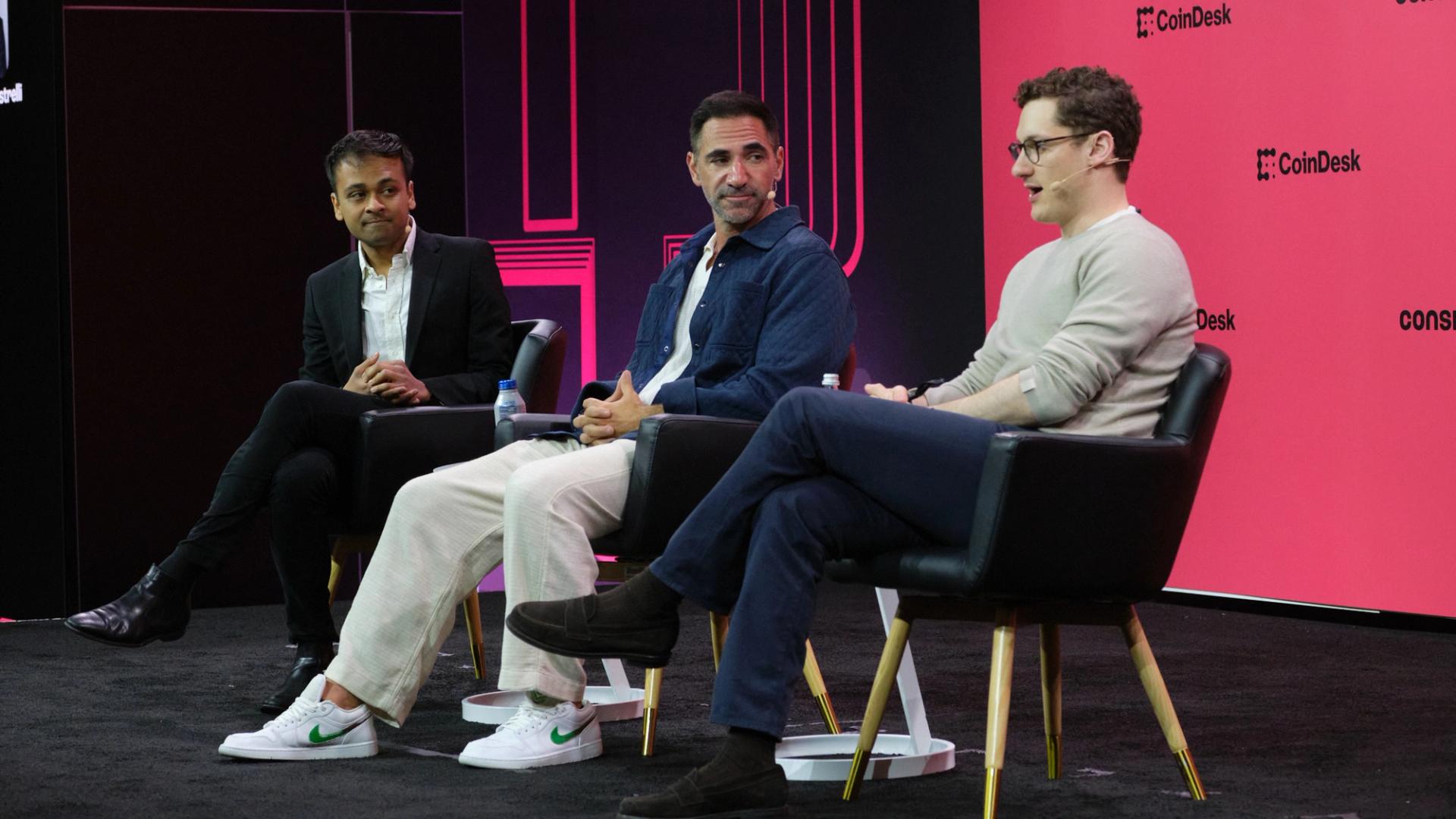
Fortinsky's comments, made during a recent industry discussion, emphasize the need for a more sophisticated regulatory approach that recognizes the analytical and predictive nature of modern betting platforms. A DCM, overseen by the Commodity Futures Trading Commission (CFTC), would allow Novig to operate as a regulated exchange for derivatives and contracts, potentially attracting institutional investors and enhancing market legitimacy. This shift is seen as a response to the increasing complexity of prediction markets, where users bet on outcomes using data-driven strategies, blurring the lines between gambling and financial trading.
Key Details of Novig's Transition
Novig's planned adoption of the DCM framework represents a significant milestone for the company, which has been positioning itself as a leader in prediction markets since its inception. By aligning with federal regulations, Novig aims to circumvent state-by-state gambling restrictions that have historically fragmented the U.S. market. The transition, scheduled for this summer, will require Novig to meet stringent standards for transparency, risk management, and user protection, including measures to prevent market manipulation and ensure fair pricing of contracts.
Central to Fortinsky's argument is the idea that prediction markets function similarly to financial derivatives, where participants are essentially trading on future events based on probabilities and data analysis. This perspective could open doors for broader acceptance, especially as blockchain technology and decentralized finance (DeFi) continue to influence the sector in 2026. For instance, Novig's platform may incorporate smart contracts to automate payouts and verify outcomes, further aligning it with financial instruments rather than casino-style betting.
Implications for the Industry
The push for reclassification carries wide-ranging implications for the sports betting and prediction market industries. If successful, Novig's model could set a precedent, encouraging other providers to seek similar regulatory status and potentially leading to a more unified national framework. This could reduce the legal hurdles faced by operators, fostering innovation and attracting more participants, including professional traders who view betting as an investment strategy.
However, this approach also raises concerns about consumer protection. Critics argue that treating sports betting as a financial product might expose everyday users to risks akin to stock market volatility, without the same level of safeguards. In 2026, with economic uncertainty lingering from previous years, regulators may scrutinize these markets more closely to prevent predatory practices. Fortinsky counters this by pointing to the DCM's built-in protections, such as position limits and surveillance mechanisms, which could make prediction markets safer than traditional sportsbooks.
Context from Industry Experiences
The discussion also draws from real-world challenges faced by players in the space, as illustrated by Adam Mastrelli of 57 Maiden. Mastrelli revealed that he was banned from two major sportsbooks within just two months for being a "sharp" bettor—someone who uses advanced analytics to place high-value, informed wagers. This experience underscores the adversarial relationship between sophisticated users and conventional gambling platforms, which often prioritize profitability over fair access.
Mastrelli's case highlights a key flaw in current regulations: the lack of accommodation for skilled participants, who could benefit from a financial product framework that rewards expertise rather than penalizes it. In the evolving 2026 landscape, where data analytics and AI-driven tools are commonplace, such bans could drive users toward regulated prediction markets like Novig's, which promise a more equitable environment. This shift might also prompt sportsbooks to adapt their models, perhaps by integrating elements of financial exchanges to retain competitive edge.
- Potential benefits include increased market accessibility and innovation in betting technologies.
- Challenges involve regulatory hurdles and the need for robust consumer safeguards.
- Broader context: As of 2026, the U.S. prediction market sector is valued at billions, driven by events like elections and sports, but hampered by inconsistent state laws.
Overall, Fortinsky's advocacy marks a pivotal moment in the debate over how to regulate emerging forms of wagering. By positioning sports betting as a financial product, Novig not only seeks to expand its operations but also to influence policy that could standardize the industry nationwide. As stakeholders monitor this development, the outcome could redefine the boundaries between gambling and finance, paving the way for a more integrated and regulated market in the years ahead.
This article is based on factual reporting from:
www.coindesk.com — Original Report ↗