Sam Altman Apologizes for OpenAI's Pre-Shooting Oversight
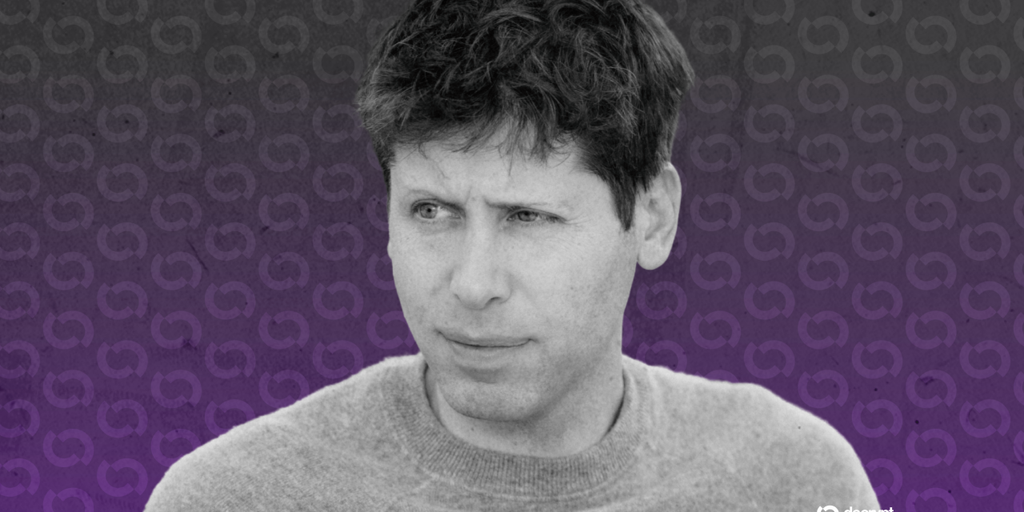
The Apology from OpenAI's CEO
In a statement that has drawn widespread attention, Sam Altman, the CEO of OpenAI, publicly apologized for the company's failure to notify authorities about a user whose account was banned months before their involvement in the Tumbler Ridge mass shooting. This incident, which occurred in early 2026, has sparked intense scrutiny over the responsibilities of tech firms in monitoring and reporting potential threats. Altman's admission highlights a critical lapse in OpenAI's internal protocols, emphasizing that the company should have escalated the matter to law enforcement.
The Tumbler Ridge mass shooting took place on April 15, 2026, in a remote community in British Columbia, Canada, resulting in multiple casualties and injuries. According to details emerging from OpenAI's internal review, the suspect had been using OpenAI's platforms for activities that raised red flags, leading to their account suspension. Despite this action, no immediate steps were taken to inform relevant authorities, a decision Altman now regrets. In his apology, delivered via a company blog post and subsequent media interviews, Altman stated, "We recognize that our protocols were insufficient, and we failed to act on information that could have prevented tragedy." This marks a rare public concession from a tech leader, underscoring the evolving challenges in balancing user privacy with public safety.
Breakdown of the Events
OpenAI's involvement began when the suspect's account was flagged for violating community guidelines, potentially related to discussions or generated content that hinted at violent intentions. Company insiders revealed that the ban was enacted in late 2025, but no further action was pursued at the time. This oversight came to light only after the shooting, prompting an internal investigation. Altman's apology detailed how OpenAI's moderation team identified concerning behavior but did not cross-reference it with external threat assessment tools, a step that could have triggered alerts to police.
The Tumbler Ridge event itself involved a targeted attack at a local gathering, with the suspect reportedly using online tools to plan and execute the assault. While OpenAI has not disclosed specific details about the suspect's activities due to ongoing legal proceedings, experts suggest that AI-generated content might have played a role in the perpetrator's motivations. This has led to questions about the ethical obligations of AI developers in an era where their technologies can influence real-world actions.
Implications for OpenAI and the Tech Industry
The fallout from Altman's apology extends beyond OpenAI, potentially reshaping how AI companies handle user data and potential risks. Regulators in the U.S., Canada, and Europe are already examining the incident, with calls for stricter oversight on AI platforms. This could lead to new legislation requiring tech firms to report suspicious activities to law enforcement, similar to existing requirements for social media companies. For OpenAI, the apology signals a commitment to overhaul its safety measures, including enhanced AI monitoring systems and partnerships with security agencies.
In the broader context, this event underscores the growing intersection of AI technology and societal harms. As AI tools become more accessible, instances of misuse have increased, prompting debates on corporate accountability. Altman's response may set a precedent for other firms, encouraging proactive measures to prevent platform abuse. Critics argue that OpenAI's delay in action reflects a broader industry trend of prioritizing innovation over safety, a narrative that could influence public trust in AI advancements.
Context and Wider Ramifications
- OpenAI's history: Founded in 2015, OpenAI has positioned itself as a leader in ethical AI development, but this incident challenges that image, highlighting the need for robust governance.
- Legal landscape: In 2026, global regulations like the EU's AI Act and U.S. proposals are pushing for greater transparency, which this case could accelerate.
- Public reaction: Social media users and advocacy groups have mixed responses, with some praising Altman's accountability and others demanding resignations or fines.
This situation also brings attention to the psychological impacts of AI interactions, as studies in 2026 show that prolonged engagement with AI can exacerbate isolation or radicalization. OpenAI has pledged to collaborate with mental health experts to refine its user guidelines, aiming to mitigate such risks moving forward.
In conclusion, Sam Altman's apology represents a pivotal moment for OpenAI and the AI sector, emphasizing the dire consequences of inaction in the face of potential threats. As investigations continue, the company vows to implement comprehensive reforms to ensure that similar oversights do not occur again, fostering a safer digital environment for all users.