Valve's Steam Controller Set for May Release Amid RAM Crisis
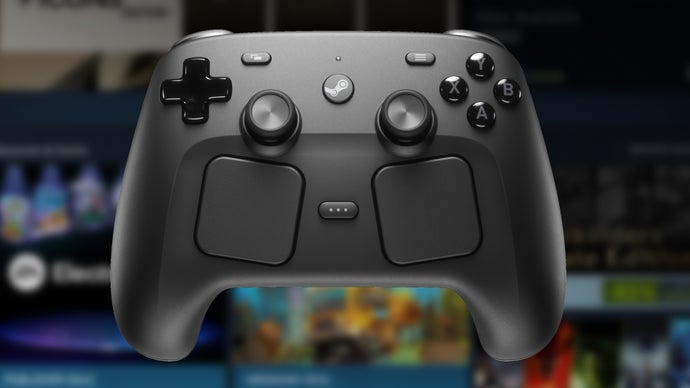
Valve's New Steam Controller Launch: A Timely Escape from Hardware Hurdles
In the ever-evolving landscape of gaming hardware, Valve's announcement of the Steam Controller's release date marks a significant milestone, especially against the backdrop of the global RAM crisis gripping the tech industry. As of April 27, 2026, Valve has officially stated that its successor to the 2015 Steam Controller will hit the market on May 4, 2026, priced at £85. This development comes as a relief for enthusiasts who have been awaiting refreshed input devices amid supply chain disruptions that have plagued larger projects like the Steam Machine.
The RAM crisis, characterized by shortages and escalating costs due to geopolitical tensions and manufacturing bottlenecks, has forced many companies to delay product rollouts. For Valve, this meant pushing back the Steam Machine, a comprehensive gaming PC platform intended to rival consoles. However, the Steam Controller's standalone release demonstrates Valve's strategic agility in prioritizing modular components. The new controller boasts enhanced ergonomics, improved haptic feedback, and advanced wireless connectivity, leveraging the latest in low-latency Bluetooth 5.3 technology to ensure seamless integration with Steam's ecosystem.
Technically, the controller's design addresses longstanding user complaints from the 2015 model, such as imprecise analog sticks and limited button customization. Valve engineers have incorporated dual-trackpads for precise cursor control, gyroscopic sensors for motion-based inputs, and a customizable button layout that supports dynamic remapping via Steam's software API. This level of customization not only enhances gameplay in titles like first-person shooters and strategy games but also underscores Valve's commitment to user-centric hardware. The £85 price point positions it as an accessible upgrade for PC gamers, especially when compared to premium controllers from competitors like Sony or Microsoft, which often exceed £100.
The implications of this release extend beyond mere product availability. In a year where RAM prices have surged by an estimated 40% due to supply constraints from key manufacturers in Asia, Valve's ability to launch the controller on schedule highlights effective supply chain management and a focus on essential components. This crisis has broader ramifications for the gaming industry, potentially delaying AAA game releases that rely on high-spec hardware. For instance, developers might need to optimize games for lower memory configurations, impacting performance in graphically intensive titles. Valve's move could encourage other firms to decouple interdependent projects, fostering a more resilient hardware market.
Contextually, this announcement fits into Valve's broader hardware strategy, which began with the original Steam Controller in 2015 as part of their push into living room gaming. The 2026 model represents an evolution, incorporating lessons from years of user feedback and technological advancements. It integrates with Steam's Big Picture mode, offering features like on-the-fly profile switching and compatibility with virtual reality setups, which are increasingly popular in 2026. This release also comes at a time when the gaming community is grappling with the shift towards cloud gaming, where responsive controllers are crucial for maintaining immersion.
Technical Breakdown and Industry Impact
Diving deeper into the technical specifications, the new Steam Controller features a 32-bit ARM processor for efficient handling of inputs, reducing latency to under 10 milliseconds—a critical factor for competitive gaming. Its battery life has been extended to over 40 hours on a single charge, thanks to optimized power management circuits. From a security perspective, while the source doesn't delve into specifics, the controller's firmware is likely designed with encrypted communications to prevent unauthorized access, aligning with industry standards for protecting user data in connected devices.
The RAM crisis's influence on this launch cannot be overstated. Industry reports indicate that DRAM shortages have affected everything from smartphones to gaming rigs, with prices for DDR5 modules rising sharply. Valve's decision to proceed with the controller, which requires less memory-intensive components, exemplifies adaptive product development. This could set a precedent for other hardware manufacturers to prioritize releases that aren't heavily dependent on volatile supply chains.
Looking ahead, the Steam Controller's release may stimulate innovation in peripheral design, encouraging developers to create software that better utilizes such hardware. For gamers, this means more options for personalized setups, potentially improving accessibility for those with disabilities through customizable inputs. As the gaming world continues to navigate these challenges, Valve's proactive approach could bolster consumer confidence in an uncertain market.
- Key features of the Steam Controller: Enhanced trackpads, gyroscopic controls, and wireless connectivity.
- Impact of the RAM crisis: Delayed Steam Machine, but isolated successes like this controller.
- Broader implications: Potential shifts in hardware strategy across the industry.
In conclusion, Valve's confirmation of the Steam Controller's May 4 release amid the RAM crisis not only provides a beacon of progress in a turbulent tech environment but also reinforces the company's role as a innovator in gaming hardware. This development is poised to influence future product strategies, ensuring that gamers have access to reliable tools despite ongoing global challenges.
This article is based on factual reporting from:
www.eurogamer.net — Original Report ↗