Samit Patel Retires After 24-Year Cricket Career
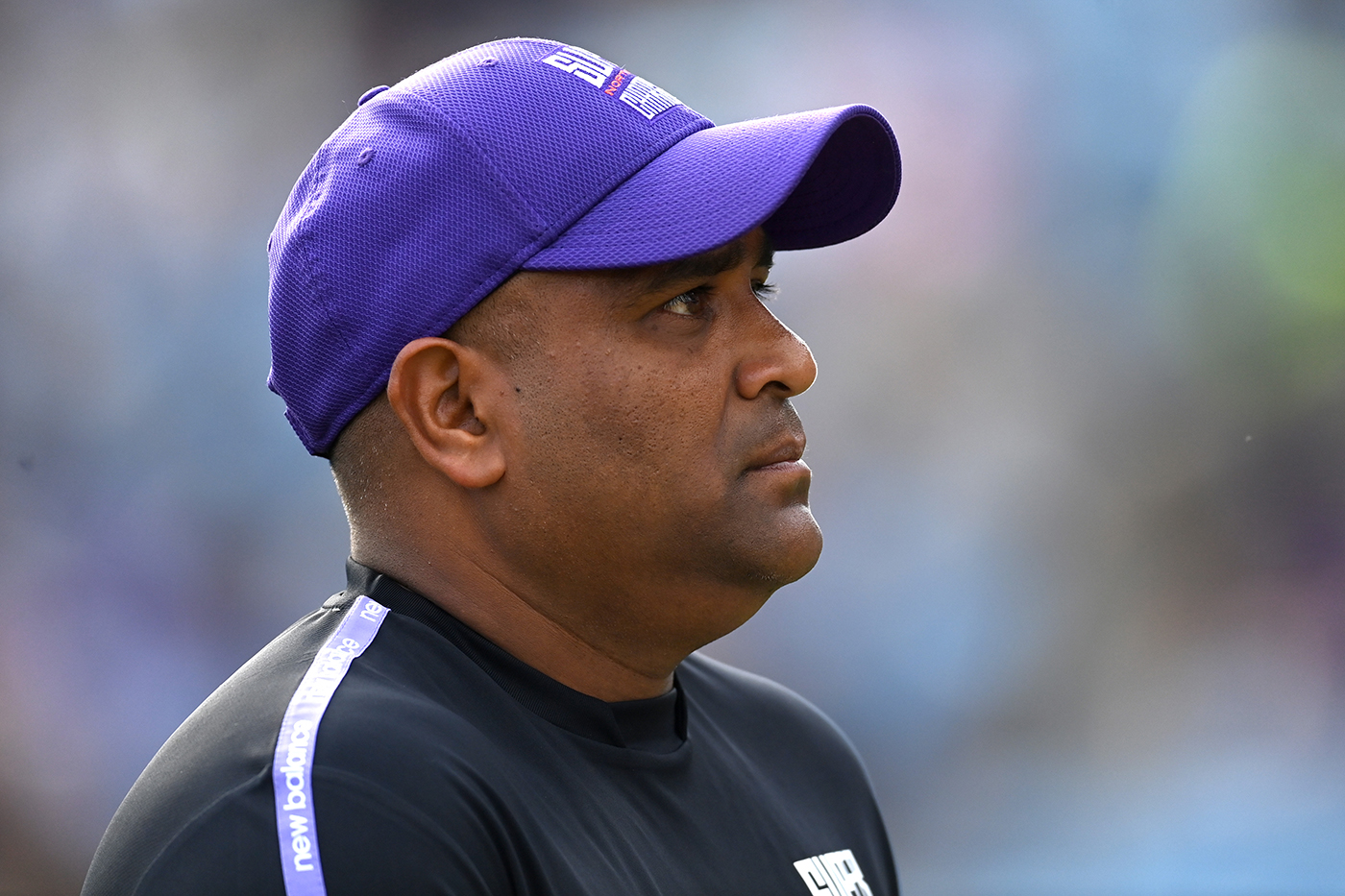
Samit Patel's Farewell to English Cricket
In a heartfelt announcement that marks the end of an era, Samit Patel, the esteemed spinning allrounder, has bid farewell to English cricket after an illustrious 24-year tenure. Patel, known for his versatile skills with both bat and ball, shared his reflections in a recent interview, emphasizing that "everything has to come to an end." This decision comes as he looks ahead to new opportunities, including potential roles in coaching and even cricket selection.
Patel's career, which began in the early 2000s, saw him evolve from a promising youngster into a dependable mainstay in domestic and international cricket. He made his debut for Nottinghamshire in 2002 and went on to represent England in various formats, accumulating a wealth of experience that included memorable performances in county championships and limited-overs tournaments. His ability to spin the ball with guile and contribute valuable runs down the order made him a fan favorite and a tactical asset for his teams.
Throughout his journey, Patel faced numerous highs and lows, from lifting trophies with Nottinghamshire to dealing with the pressures of international selection. In his reflective comments, he highlighted the evolution of the game, noting how T20 cricket and advanced analytics have transformed strategies since his early days. "I've seen the sport change dramatically," Patel remarked, underscoring the adaptability required to sustain a long career. His statistics speak volumes: over 24 years, he amassed thousands of runs and wickets across formats, with standout seasons where he was among the top performers in the County Championship.
Key Highlights of Patel's Career
To appreciate the magnitude of Patel's retirement, it's essential to revisit some of his career milestones:
- Debuting for Nottinghamshire at age 18, quickly establishing himself as a reliable allrounder.
- Earning his first England call-up in 2008, where he played in ODIs and T20Is, showcasing his spin bowling prowess.
- Winning multiple domestic titles, including the T20 Blast, and being a key player in Nottinghamshire's successes.
- Amassing over 10,000 runs and 1,000 wickets in first-class cricket, a testament to his longevity and consistency.
- Contributing to England's white-ball setups, particularly in spin-friendly conditions abroad.
These achievements not only underscore Patel's individual talent but also his role in team dynamics, often turning games with timely interventions. His partnership with various captains and teammates fostered a culture of resilience, which he hopes to pass on in his post-playing career.
Looking Ahead: Coaching and Beyond
As Patel steps away from the field, he is already eyeing a future in cricket administration and development. In interviews, he expressed enthusiasm for coaching, drawing from his vast experience to mentor emerging talents. "I want to give back to the game that has given me so much," he stated, indicating plans to work with young spinners and allrounders at the grassroots level. Furthermore, Patel hinted at aspirations to join selection panels, where his deep understanding of player capabilities could influence team strategies for England's future squads.
This transition reflects a broader trend in cricket, where retiring players increasingly take on off-field roles to shape the sport's direction. For English cricket, Patel's potential involvement could provide continuity and insight, especially in an era dominated by data-driven decisions and global T20 leagues. His retirement comes at a time when the domestic scene is buzzing with young prospects, and his guidance might help bridge generational gaps.
Patel's decision also prompts discussions on the physical and mental demands of a long career. At 41, he acknowledged the toll of constant travel and competition, emphasizing the importance of knowing when to step aside. This self-awareness could serve as an inspiration for current players navigating their own paths. As English cricket moves forward, the void left by veterans like Patel will be felt, but his legacy ensures that his influence endures.
The Implications for English Cricket
Patel's exit signifies more than just the end of a personal chapter; it highlights the ongoing evolution of the sport in England. With the rise of specialized roles and the emphasis on fitness, allrounders like Patel have been pivotal in balancing teams. His departure may accelerate the search for successors, pushing academies and county clubs to nurture versatile players. Moreover, his potential shift to coaching could enrich training programs, offering real-world insights that textbooks cannot provide.
In the broader context of 2026, as international schedules intensify with events like the T20 World Cup on the horizon, England's management will need to adapt. Patel's reflections on the game's changes—such as the integration of technology and the focus on mental health—could inform these adaptations. His career, spanning a quarter-century, mirrors the transformation from traditional Test cricket dominance to a multi-format landscape.
Ultimately, Samit Patel's retirement is a poignant reminder of cricket's cyclical nature. As he closes this chapter, the sport gains a dedicated advocate in the wings, ready to contribute from a new vantage point. His story inspires future generations to pursue excellence while recognizing the importance of timing and transition.
This article is based on factual reporting from:
www.espncricinfo.com — Original Report ↗