Senators Lament Bipartisan Failure on Crypto Clarity Act
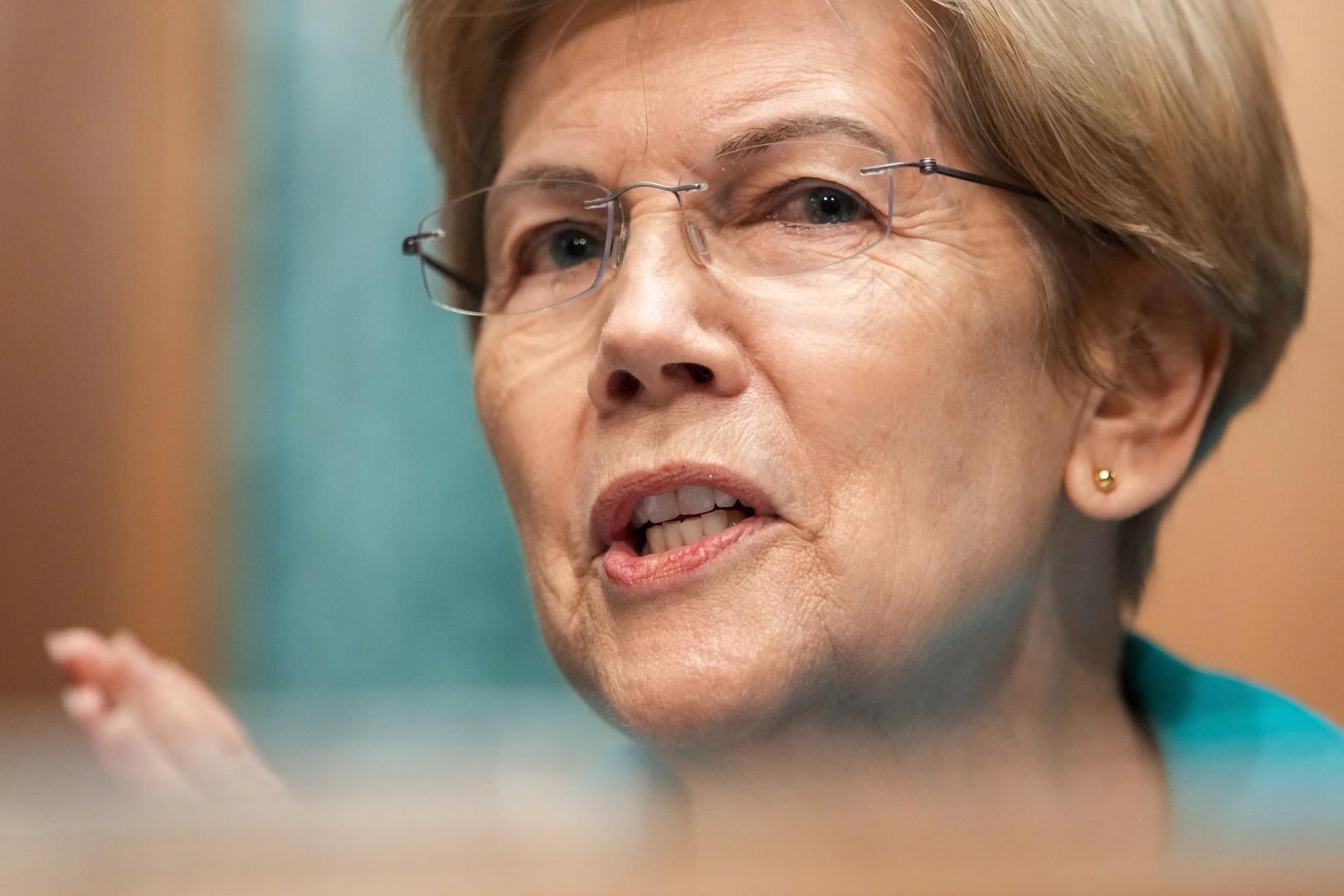
Overview of the Senate Hearing on the Crypto Clarity Act
In a highly anticipated Senate hearing held on May 14, 2026, U.S. lawmakers voiced their frustrations over the inability to forge bipartisan consensus on the Crypto Clarity Act, a pivotal piece of legislation aimed at clarifying regulatory frameworks for digital assets. The hearing, part of efforts to move the bill forward, highlighted deep divisions among senators regarding key provisions such as investor protections, token classifications, and oversight of decentralized finance platforms. Despite lengthy negotiations, participants acknowledged that no common ground had been reached, potentially stalling progress on comprehensive crypto regulation.
The Crypto Clarity Act seeks to address ambiguities in existing U.S. financial laws as they apply to cryptocurrencies and blockchain technologies. Proponents argue that the bill would provide much-needed clarity for businesses and investors, fostering innovation while mitigating risks associated with market volatility and fraud. During the session, senators from both major parties shared their perspectives, with some emphasizing the urgency of adapting regulations to the rapidly evolving crypto landscape, while others raised concerns about overreach that could stifle technological advancement.
Key Details from the Hearing
Several senators took the floor to articulate their positions, revealing the complexities of achieving bipartisan agreement. For instance, one prominent senator highlighted the bill's potential to standardize definitions for securities and commodities in the crypto space, which could resolve ongoing disputes between regulatory bodies like the SEC and CFTC. However, opponents pointed out unresolved issues, such as how the act would handle stablecoins or non-fungible tokens (NFTs), which have become integral to the 2026 economy.
Witnesses, including industry experts and legal advisors, provided testimony that underscored the bill's implications. They discussed how the lack of clarity has led to inconsistent enforcement, with some states implementing their own crypto regulations, creating a patchwork of rules that complicates compliance for national and international firms. The hearing also touched on recent market events, such as fluctuations in Bitcoin and Ethereum prices, which senators linked to regulatory uncertainty, emphasizing that without federal guidance, consumer protection remains inadequate.
- Failure to agree on investor safeguards, including mandatory disclosures for crypto exchanges.
- Debates over taxing digital assets, with proposals for clearer guidelines on capital gains.
- Concerns about international alignment, as global standards from bodies like the G20 could influence U.S. policy.
Implications for the Crypto Industry
The stalled progress on the Crypto Clarity Act could have far-reaching effects on the blockchain sector in 2026. Investors and companies may face continued uncertainty, potentially leading to reduced capital inflows and slower adoption of innovative technologies like smart contracts and decentralized autonomous organizations (DAOs). This development might prompt businesses to seek more favorable regulatory environments abroad, such as in the European Union or Asia, where crypto-friendly policies have already been established.
From a market perspective, the lack of bipartisan support could exacerbate volatility, as traders react to perceived regulatory risks. Analysts predict that without the act, enforcement actions against non-compliant entities might increase, affecting major players in the industry. For everyday users, this means potential delays in accessing secure, regulated crypto services, which could hinder mainstream adoption of digital currencies for payments and investments.
Moreover, the hearing's outcome underscores the need for ongoing dialogue between policymakers and the crypto community. Stakeholders are already advocating for revised approaches, such as pilot programs for regulated crypto products, to build consensus. This situation highlights the broader challenge of balancing innovation with oversight in a sector that has grown exponentially since the early 2020s.
Context in the 2026 Regulatory Landscape
By 2026, the crypto industry has matured significantly, with blockchain applications extending beyond finance into areas like supply chain management and healthcare. However, regulatory fragmentation has persisted, making the Crypto Clarity Act a critical step toward harmonization. Previous attempts at legislation, such as the 2022 crypto bills, faced similar hurdles, but the current economic climate—marked by stable inflation and increased institutional involvement—has heightened the stakes.
Senators' reluctance to compromise reflects deeper ideological divides, with some viewing crypto as a tool for financial inclusion and others as a speculative bubble prone to abuse. This hearing occurs amid a backdrop of global events, including international agreements on digital asset standards, which could pressure the U.S. to act swiftly. If the act remains stalled, it might lead to executive actions or state-level initiatives, further complicating the regulatory environment.
In conclusion, the failure to secure bipartisan support for the Crypto Clarity Act represents a significant setback for U.S. crypto regulation, potentially delaying reforms that could stabilize and legitimize the industry. As discussions continue, the outcome will shape the future of blockchain innovation in the country.
This article is based on factual reporting from:
www.coindesk.com — Original Report ↗