Shakib Labels Bangladesh T20 World Cup Pull-Out a Government Blunder
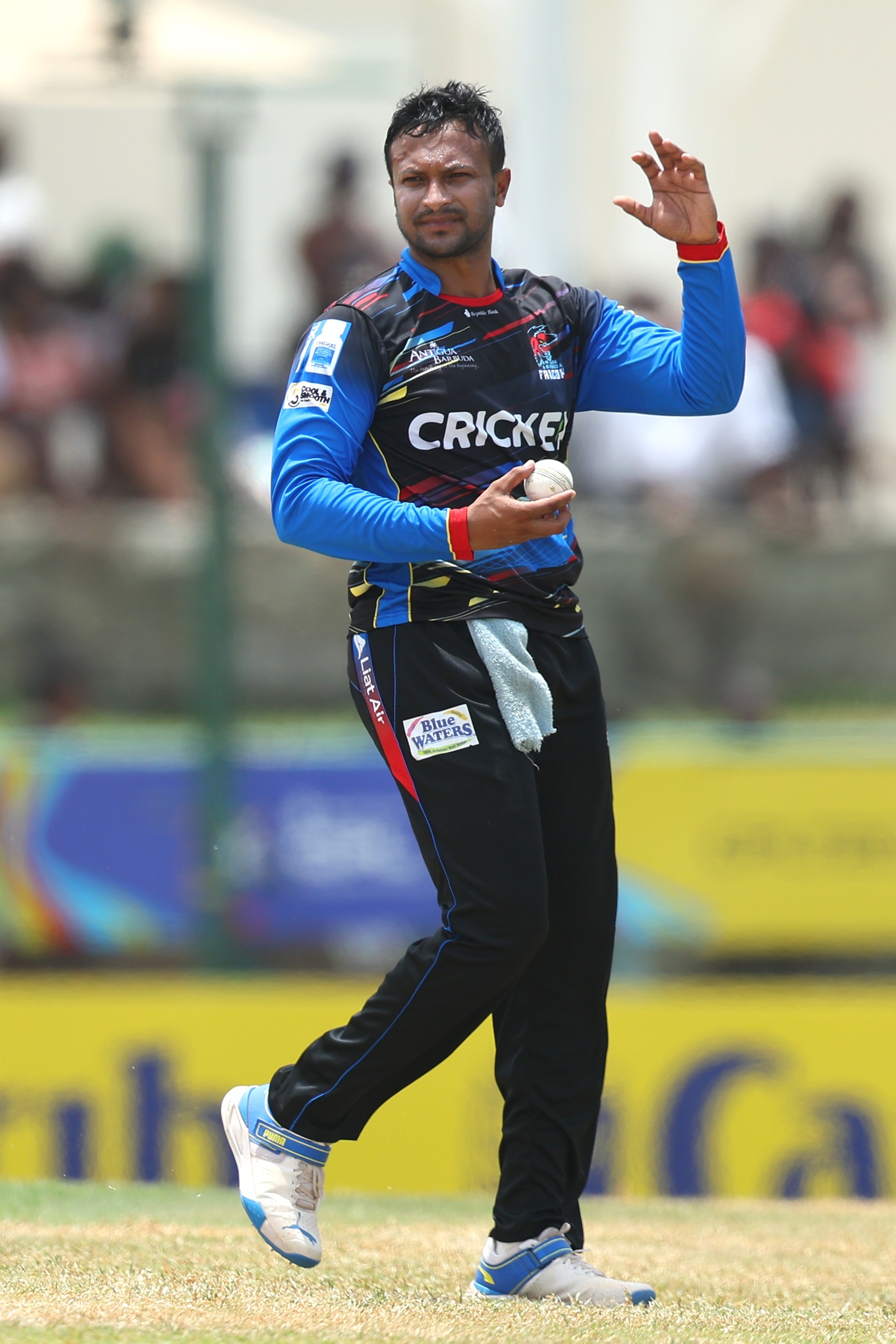
Shakib Al Hasan's Strong Critique of Bangladesh's Withdrawal
In a candid interview, Bangladesh all-rounder Shakib Al Hasan has voiced his disappointment over the country's decision to pull out of the 2026 T20 World Cup, describing it as a "blunder from the government side." This statement, made amid ongoing discussions about the event's implications, highlights the tensions between sports administration and governmental policies in Bangladesh. Shakib, one of the most experienced players in the national team, emphasized that the withdrawal represents a major setback for the sport's development in the country.
The T20 World Cup, scheduled for later in 2026, is a premier international cricket tournament that draws global attention and fosters national pride. Bangladesh's participation had been anticipated by fans and players alike, given the team's growing prowess in the format. However, reports indicate that the pull-out stems from a combination of logistical challenges, financial constraints, and potential governmental restrictions that have not been fully disclosed. Shakib's comments, delivered in an exclusive interview, underscore the frustration felt by players who have invested years in preparing for such events.
"It was a great miss as far as Bangladesh cricket is concerned," Shakib stated, pointing to the lost opportunity for the team to compete on a world stage. His remarks reflect a broader sentiment within the cricketing community that the decision prioritizes short-term issues over long-term benefits. As a key figure in Bangladesh cricket, with over a decade of international experience, Shakib's perspective carries significant weight. He has been instrumental in Bangladesh's rise, contributing to memorable victories and helping elevate the team's status in global rankings.
Implications for Bangladesh Cricket
The withdrawal from the T20 World Cup could have far-reaching consequences for Bangladesh's cricketing ecosystem. Firstly, it deprives players of valuable exposure against top-tier teams, which is crucial for skill development and building confidence. In recent years, Bangladesh has shown promise in T20 cricket, with victories over established sides demonstrating their potential. Missing out on this tournament might stall this momentum, affecting team morale and individual careers.
Financially, the absence from the World Cup means lost revenue from broadcasting rights, sponsorships, and merchandise, which are vital for sustaining cricket infrastructure in Bangladesh. The Bangladesh Cricket Board (BCB) relies on such events to fund grassroots programs, youth development, and stadium upgrades. Shakib highlighted this in his interview, noting that the decision could hinder investments in emerging talents who are the future of the sport.
From a governmental perspective, the pull-out raises questions about policy priorities. Cricket is more than just a game in Bangladesh; it's a unifying force that brings people together across divides. By withdrawing, the government may be signaling a shift in focus towards other national agendas, possibly related to economic or political pressures. This has sparked debates among fans and analysts, with many arguing that sports diplomacy could have been leveraged to strengthen international relations.
Context and Historical Background
Bangladesh's cricketing journey has been one of remarkable progress since gaining Test status in 2000. The team has evolved from underdogs to consistent performers, particularly in limited-overs formats like T20. Shakib, as captain and star player, has been at the forefront, amassing impressive records in batting, bowling, and fielding. His comments must be viewed in the context of previous challenges, such as political interference in sports administration that has occasionally disrupted preparations for major tournaments.
For instance, past instances of governmental involvement in team selections or event logistics have drawn criticism. The 2026 pull-out echoes these issues, suggesting a pattern that needs addressing for the sport's stability. Experts believe that without resolution, Bangladesh risks falling behind in the competitive landscape of international cricket, where participation in global events is key to ranking improvements.
- Key impacts on players: Reduced international exposure could affect contract values and endorsement opportunities.
- Fan reactions: Social media is abuzz with disappointment, with many calling for accountability from authorities.
- Future tournaments: This decision might influence Bangladesh's approach to events like the 2027 ODI World Cup, potentially leading to reforms in sports governance.
As the cricketing world moves forward, Shakib's call for introspection serves as a reminder of the need for better collaboration between the government and the BCB. His experience and stature make his words a catalyst for change, urging stakeholders to prioritize the sport's growth. Ultimately, this episode underscores the delicate balance between national policies and athletic aspirations in Bangladesh.
Looking Ahead
Moving into the latter half of 2026, the focus will be on rebuilding and strategizing for future competitions. Shakib and his teammates are already turning their attention to bilateral series and domestic leagues to maintain form. While the immediate fallout from the withdrawal is disheartening, it could spark positive reforms that strengthen Bangladesh cricket in the long run. The global community watches closely, hoping for a resolution that allows Bangladesh to reclaim its place on the world stage.
In conclusion, Shakib Al Hasan's forthright criticism highlights the profound impact of governmental decisions on sports, emphasizing the need for strategic foresight to nurture Bangladesh's cricketing talent and heritage.
This article is based on factual reporting from:
www.espncricinfo.com — Original Report ↗