Shell Profits Surge Amid Iran War Oil Price Hike
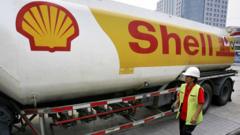
In the midst of escalating global tensions, Shell PLC, one of the world's leading energy companies, has announced a significant boost in its financial performance for the first quarter of 2026. The company's profits reached $6.92 billion, marking a notable increase from previous periods and highlighting the complex interplay between geopolitical events and the energy market. This surge is primarily attributed to the rising oil prices fueled by the ongoing war in Iran, which has disrupted supply chains and heightened demand uncertainties.
Breakdown of Shell's Q1 Profits
Shell's latest earnings report reveals a profit of $6.92 billion for the period ending March 31, 2026, reflecting a year-over-year growth that underscores the company's resilience amid volatile market conditions. This figure represents a substantial rise, with analysts pointing to increased revenues from oil and gas sales as the key driver. The energy giant's upstream operations, which include exploration and production, benefited most directly from the elevated oil prices, which have climbed due to the Iran conflict's impact on global supply.
According to the report, Shell's adjusted earnings before interest, taxes, depreciation, and amortization (EBITDA) also saw an uptick, driven by higher crude oil prices averaging around $85 per barrel in the first quarter. This pricing environment allowed Shell to offset costs related to operational challenges, such as renewable energy investments and regulatory pressures, thereby bolstering its overall profitability. The company's downstream activities, including refining and marketing, contributed positively as well, though the primary catalyst remained the international oil market dynamics.
The Context of the Iran War and Oil Prices
The ongoing war in Iran has emerged as a pivotal factor in the global energy landscape, pushing oil prices to multi-year highs and directly influencing corporate earnings like those of Shell. The conflict, which intensified in early 2026, has led to disruptions in oil production and exports from the Middle East, a region critical to global supply. As a result, oil prices have surged due to fears of potential supply shortages, with benchmarks like Brent crude exceeding $90 per barrel at points during the quarter.
This geopolitical unrest has created a ripple effect across the energy sector, with Iran's role as a major oil producer amplifying the impact. The war has not only reduced available supply but also increased geopolitical risk premiums, as investors and traders factor in the possibility of broader regional instability. For Shell, this environment has translated into higher revenues from its existing assets, particularly in regions less affected by the conflict, such as the North Sea and the Gulf of Mexico.
- Key factors driving oil price increases: Reduced Iranian exports, heightened demand from emerging economies, and speculative trading amid uncertainty.
- Impact on global markets: The price hike has led to inflationary pressures in energy-dependent sectors worldwide, affecting everything from transportation costs to consumer goods pricing.
- Shell's strategic response: The company has capitalized on these conditions by optimizing its production schedules and hedging strategies, which helped mitigate risks associated with price volatility.
Implications for the Energy Sector and Beyond
The profit increase at Shell raises broader questions about the sustainability of fossil fuel dependency in a world grappling with climate change and geopolitical instability. While the Iran war has provided a short-term windfall for oil majors, it underscores the vulnerabilities in the global energy supply chain. Experts suggest that such events could accelerate the transition to renewable energy sources, as governments and businesses seek to reduce reliance on volatile oil markets.
For Shell specifically, these profits could fund further investments in low-carbon technologies, such as offshore wind and hydrogen projects, aligning with the company's stated goals for net-zero emissions by 2050. However, the immediate financial gains highlight the challenges of balancing profitability with environmental responsibilities. In the global economy, higher oil prices may contribute to inflation and slower growth, particularly in developing nations heavily reliant on imported energy.
Looking ahead, the Iran conflict's resolution—or escalation—could significantly influence future oil prices and corporate earnings. Shell's performance in this quarter serves as a barometer for the industry, illustrating how geopolitical events can swiftly alter market dynamics. As stakeholders monitor developments, the energy sector remains poised for potential shifts, with implications extending to international relations and economic policies.
Broader Context and Future Outlook
In 2026, the global energy market continues to navigate a delicate balance between traditional fossil fuels and emerging green alternatives. The Iran war's influence on oil prices exemplifies how regional conflicts can have far-reaching effects, potentially reshaping trade agreements and energy policies. For Shell, this quarter's results demonstrate adaptability in a turbulent environment, but they also highlight the need for diversified energy portfolios to withstand future shocks.
Ultimately, as the world watches the evolving situation in Iran, companies like Shell must navigate these complexities to maintain stability and growth. The first-quarter profits, while impressive, serve as a reminder of the interconnectedness between geopolitics and economics in the modern era.