Spain Begins Evacuating Virus-Affected Cruise Ship
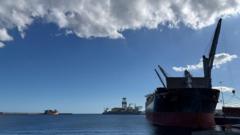
The Evacuation of the MV Hondius in Tenerife
On May 10, 2026, Spanish officials commenced the evacuation of passengers from the MV Hondius, a cruise ship that docked in Tenerife, part of the Canary Islands, following reports of a virus outbreak on board. This operation represents a significant response to a health crisis at sea, with the first group of passengers already disembarking under strict protocols to prevent further spread. The MV Hondius, operated by a company specializing in expedition cruises, had been at sea for several days before reaching the port, highlighting the challenges of managing infectious diseases in international travel settings.
The evacuation process began early in the morning, with health authorities in Spain coordinating with international partners to screen and transport passengers. According to initial reports, the virus in question has not been fully identified, but symptoms among affected individuals include fever and respiratory issues, reminiscent of past global health emergencies. Tenerife, a popular tourist destination known for its beaches and volcanic landscapes, has activated emergency measures to isolate those potentially infected, including setting up temporary quarantine facilities at the port. This swift action underscores Spain's commitment to safeguarding both its residents and visitors, drawing on lessons from previous outbreaks that disrupted global mobility.
Details of the Operation and Health Measures
The evacuation is being conducted in phases, with priority given to vulnerable passengers such as the elderly, children, and those exhibiting symptoms. Medical teams, equipped with personal protective equipment, are performing on-site testing before allowing anyone to leave the ship. The first group, comprising approximately 50 individuals, was transported to designated hotels or medical centers for further observation. Spanish authorities have emphasized that all evacuees must undergo a mandatory 14-day quarantine period, in line with updated European Union health guidelines implemented in 2026 to combat emerging pathogens.
The MV Hondius, with a capacity of around 170 passengers and crew, arrived in Tenerife after rerouting from its original itinerary in the Atlantic Ocean. Port officials reported that the ship was held offshore for initial assessments before being permitted to dock, a precaution that delayed the evacuation by several hours. This incident has prompted discussions on the adequacy of health screenings for cruise ships, which often traverse multiple jurisdictions and carry passengers from various countries. In response, Spain's Ministry of Health has deployed additional resources, including mobile testing units and contact tracing teams, to manage the situation effectively.
Implications for Tourism and International Relations
This event carries broader implications for Spain's tourism industry, which has been rebounding in 2026 after years of volatility due to global health challenges. The Canary Islands, heavily reliant on cruise traffic and holidaymakers, could face economic repercussions if the outbreak escalates, potentially leading to travel advisories from other nations. For instance, countries like the UK and Germany, which send a significant number of tourists to the region, may impose temporary restrictions, affecting local businesses such as hotels and restaurants. Experts warn that such incidents could erode consumer confidence in sea travel, prompting calls for enhanced biosecurity standards across the industry.
On the geopolitical front, the evacuation highlights the complexities of coordinating international responses to health crises. Spain, as a member of the European Union, is working closely with the World Health Organization and neighboring countries to share data and resources. This cooperation is crucial in an era where viruses can spread rapidly via global transportation networks, underscoring the need for unified protocols. The incident also raises questions about liability and responsibility, as cruise operators must navigate regulations from multiple flag states and port authorities. In 2026, with advancements in rapid diagnostic tools, there is an opportunity for better preparedness, but this event serves as a reminder that gaps still exist.
Context and Future Outlook
The backdrop to this evacuation is a world still grappling with sporadic health threats, even as vaccine technologies have advanced since the early 2020s. In 2026, global health surveillance systems are more robust, with real-time data sharing enabling quicker responses. The MV Hondius incident occurs amid ongoing efforts by the International Maritime Organization to revise safety standards for passenger vessels, including mandatory health declarations and on-board isolation facilities. For Spain, this event reinforces the importance of its strategic position in the Atlantic, where it serves as a key gateway for transoceanic travel.
Looking ahead, authorities are monitoring the situation closely to determine if the virus poses a wider risk. If contained successfully, the evacuation could be viewed as a model for efficient crisis management. Environmental factors, such as the Canary Islands' isolation, may aid in limiting the outbreak's spread, but experts stress the need for vigilance. This operation not only addresses immediate health concerns but also contributes to evolving discussions on sustainable tourism and pandemic resilience in 2026.
- Key participants: Spanish health officials, port authorities, and cruise line representatives.
- Timeline: Evacuation started on May 10, with full operations expected to conclude within days.
- Potential outcomes: Enhanced global health protocols for maritime travel.
In conclusion, the evacuation of the MV Hondius in Tenerife exemplifies the ongoing challenges of balancing tourism with public health in a interconnected world. As Spain navigates this crisis, the lessons learned will likely influence future policies on international travel and disease control, ensuring safer journeys for all.