StarCraft Shooter Promises Definitive, Non-Seasonal Story
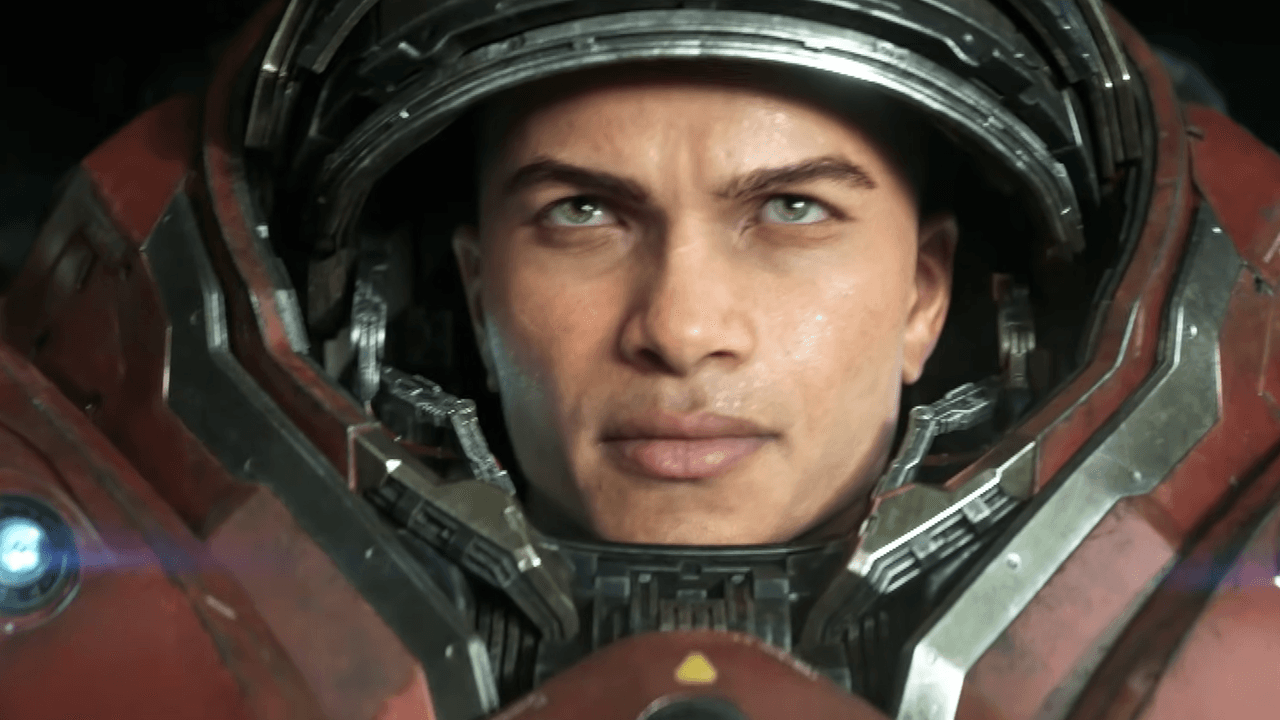
StarCraft's upcoming shooter will follow a narrative-driven structure with a clear beginning, middle, and end, according to general manager Dan Hay, who says the project is not designed as a seasonal game.
StarCraft's upcoming shooter will follow a narrative-driven structure with a clear beginning, middle, and end, according to general manager Dan Hay, who says the project is not designed as a seasonal game.
A defined narrative structure
Speaking about the project, Hay described the StarCraft shooter as a game built around a complete narrative arc rather than an indefinitely expanding service model. His formulation is direct: the title will have a beginning, a middle, and an end, with what he called a “definitive ending.” That positioning makes the project distinct from games whose central framework depends on recurring content cycles, regular seasonal resets, or an open-ended storyline that remains in development for as long as the service operates.
The description does not provide a release date, platform list, campaign length, or additional gameplay specifications. It does, however, establish the intended narrative model at a high level. The shooter is being presented first as a story-led StarCraft experience, with its major plot designed to reach a conclusion rather than remain permanently unresolved.
What “not a seasonal game” indicates
Hay’s rejection of a seasonal structure is significant because the term has become closely associated with the operational design of modern online games. Seasonal titles commonly organize progression, rewards, challenges, and sometimes competitive rankings around recurring periods. Those systems can encourage players to return on a fixed schedule, while allowing developers to extend a game’s lifespan through repeated content updates.
By saying the StarCraft shooter is not a seasonal game, Hay signals that the project will not be defined by that type of recurring content framework. The statement should not be read as confirmation that the game will lack online features, post-launch updates, or any form of multiplayer component; the available information does not establish those details. It instead describes the project’s core identity and narrative commitment, emphasizing a finished story over an endless seasonal cycle.
A different direction for the StarCraft universe
For the StarCraft franchise, the announcement places unusual emphasis on narrative closure. The series is known for a science-fiction setting built around conflict between its established factions, but Hay’s comments focus on how the new shooter will deliver its story rather than on specific characters, locations, or plot events. No new campaign details were provided in the source information, so the scope of the story and its relationship to existing StarCraft continuity remain undisclosed.
The choice of a definitive ending also creates a clear expectation for the project’s structure. Players can reasonably expect the main narrative to be authored toward a conclusion, rather than designed solely as a framework for future seasons. That does not determine whether the game could receive expansions or other supporting content, but it does suggest that the central experience is intended to have a planned endpoint.
Why the distinction matters
The announcement comes as major shooters increasingly combine campaign content with long-term service systems. Those models can offer sustained engagement, but they also require ongoing progression economies, regular content schedules, and technical support for a continuously changing player environment. A narrative-driven game with a definitive ending makes a different promise: the primary value is the delivery of a complete story, not the indefinite maintenance of a seasonal loop.
That distinction will be important as more information emerges. Details such as whether the shooter is primarily single-player, whether it includes cooperative or competitive modes, and how any additional content would be handled have not been confirmed by the information available here. Hay’s comments establish the creative direction, but they do not answer those production and platform questions.
What remains unconfirmed
- No release date has been announced in the source information.
- Platforms, pricing, and distribution plans remain undisclosed.
- The source does not specify whether multiplayer, cooperative play, or online services will be included.
- No details have been provided about the shooter’s characters, setting, campaign length, or connection to existing StarCraft storylines.
For now, the defining message is that Blizzard’s StarCraft shooter is being shaped as a contained narrative experience, with a planned conclusion rather than a seasonal, perpetually expanding format. Further announcements will determine how that promise translates into the game’s final design.

Marcus is a veteran gaming journalist and digital security analyst with over 8 years of experience covering AAA game releases, esports infrastructure, and cybersecurity developments.
Related Stories in Gaming

Diablo 5 Confirmed for Spring 2029 Release, Netflix Series in Works
Blizzard Entertainment has officially announced Diablo 5, confirming the next mainline entry in its seminal action role-playing game franchise is expected to launch in spring 2029, alongside the revelation of a companion Netflix series currently in development.
Source Material Outside HourFeed.org Editorial Scope
HourFeed.org's editorial guidelines strictly focus on critical cybersecurity developments, major e-sports news, and significant new game reveals. The provided primary source does not align with these core coverage pillars.
Tomb Raider's Iconic Level Design: A Technical Retrospective
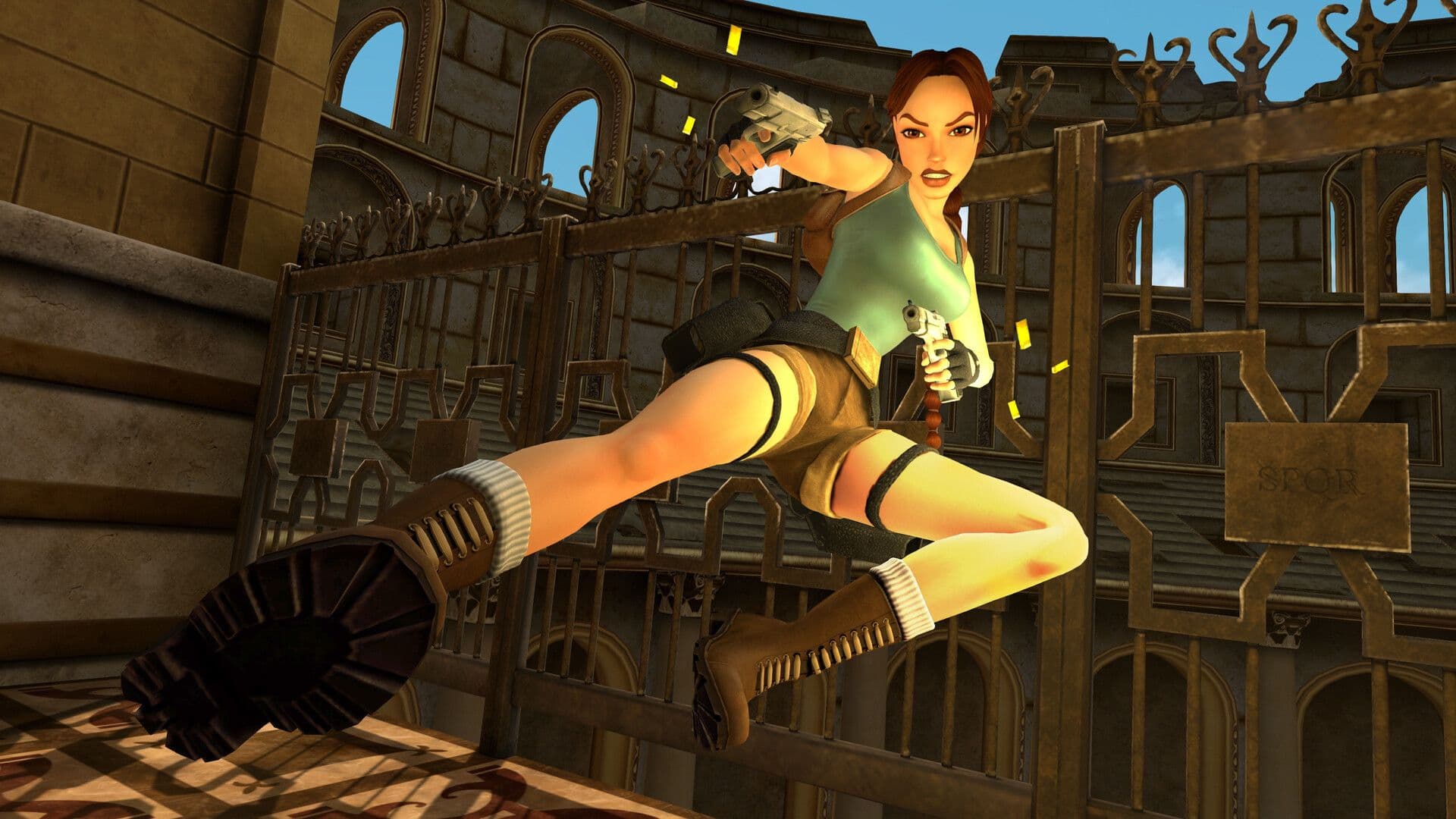
A recent analytical retrospective has meticulously examined the most impactful levels across the venerable Tomb Raider franchise, offering crucial insights into the technical evolution of action-adventure game design. This deep dive into iconic environments, from the intricate 'St. Francis' Folly' to the expansive 'Paititi,' underscores the enduring architectural and systemic principles that continue to influence the genre and potential future franchise iterations.