Subnautica 2 Achieves One Million Sales in Early Access
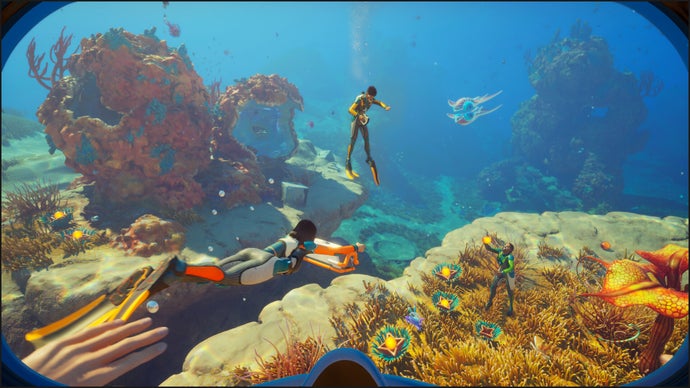
Subnautica 2's Explosive Early Access Launch
In the competitive landscape of 2026's gaming industry, Subnautica 2 has emerged as a standout success, achieving one million sales and drawing an impressive 467,000 concurrent players on Steam within days of its Early Access debut. This performance underscores the enduring appeal of the franchise's immersive underwater exploration mechanics and highlights the evolving dynamics of player engagement in early-stage game development.
The game's launch into Early Access, a model that allows developers to release incomplete versions for community feedback, has proven highly effective for Subnautica 2. According to data from Steam, the title reached these milestones faster than anticipated, reflecting strong initial reception. Players are diving into enhanced features such as advanced procedural generation for seafloor environments, improved physics-based swimming simulations, and deeper resource management systems, which build upon the original game's foundation.
Technically, Subnautica 2 leverages modern engine optimizations to handle high concurrent user loads. The game runs on an updated version of the Unity engine, incorporating multi-threaded rendering and dynamic asset streaming to ensure smooth performance even with thousands of players online simultaneously. This technical prowess is evident in the reported player counts, where 467,000 users were actively engaged, exploring vast oceanic worlds, crafting tools, and surviving against alien fauna. Such metrics not only indicate robust server infrastructure but also suggest that Unknown Worlds Entertainment has invested heavily in scalable backend systems to prevent common issues like lag or disconnections during peak times.
Breakdown of Key Metrics and Player Engagement
Delving deeper into the numbers, Subnautica 2's one million sales figure represents a cumulative total across all platforms, with Steam accounting for a significant portion due to its dominant market share in PC gaming. The 467,000 concurrent players metric is particularly noteworthy, as it surpasses benchmarks set by similar titles in the survival genre. For context, this level of simultaneous activity implies that the game's servers are processing real-time data for hundreds of thousands of sessions, involving complex interactions such as multiplayer co-op dives and shared world discoveries.
From a technical standpoint, achieving such concurrency requires sophisticated networking protocols. Subnautica 2 employs peer-to-peer elements for smaller groups but relies on dedicated servers for larger-scale interactions, ensuring latency remains minimal. This setup allows for seamless synchronization of game states, including dynamic weather systems and creature AI behaviors, which are core to the game's immersive experience. The rapid sales velocity—reaching one million units in a short period—also points to effective marketing strategies, including cross-promotions and community-driven hype built from the original Subnautica's legacy.
- One million sales achieved shortly after launch, indicating strong market demand.
- 467,000 concurrent players on Steam, showcasing high engagement levels.
- Advanced technical features like procedural generation and optimized rendering contributing to player retention.
- Early Access model facilitating real-time feedback for ongoing development.
Implications for the Gaming Industry in 2026
The success of Subnautica 2 in Early Access has broader implications for the gaming sector, particularly in how it validates the Early Access approach for AAA titles. In 2026, with rising development costs and shifting consumer expectations, this model allows developers to iterate based on live player data, potentially reducing the risk of full releases. For Subnautica 2, the high player counts provide a wealth of analytics, from heat maps of explored areas to feedback on gameplay balance, which can inform future updates and expansions.
Moreover, this launch highlights the growing importance of community building in game reveals. Unknown Worlds has fostered a dedicated fanbase through transparent development updates and beta testing, which has translated into immediate sales success. Technically, the game's ability to scale with player numbers sets a benchmark for other studios, emphasizing the need for robust cloud infrastructure and AI-driven optimizations—though not as a primary focus here—to handle modern gaming demands.
In the context of new game reveals, Subnautica 2's performance could influence upcoming titles by demonstrating that sequels with enhanced technical features can achieve rapid adoption. As the industry moves toward more interactive and player-influenced development cycles, this success story may encourage more publishers to prioritize Early Access for high-profile releases. Overall, Subnautica 2's milestone is a testament to the franchise's evolution and the strategic use of player data to refine gaming experiences in an increasingly competitive market.
Context and Future Outlook
Looking ahead, the sustained player engagement seen in Subnautica 2 could lead to extended Early Access periods, with developers using the gathered data to polish features like expanded biomes and narrative elements. This approach not only benefits the game but also sets expectations for consumers in 2026, where early access is becoming a standard for genre-defining titles. The franchise's growth from its 2018 predecessor to this level of success illustrates the potential for iterative innovation in survival games, paving the way for more technically ambitious projects in the years to come. As Subnautica 2 continues to evolve, its impact on the industry will likely be felt through inspired designs and enhanced player-centric development practices.
This article is based on factual reporting from:
www.eurogamer.net — Original Report ↗