The Rise of Daily HIIT Workouts in 2026
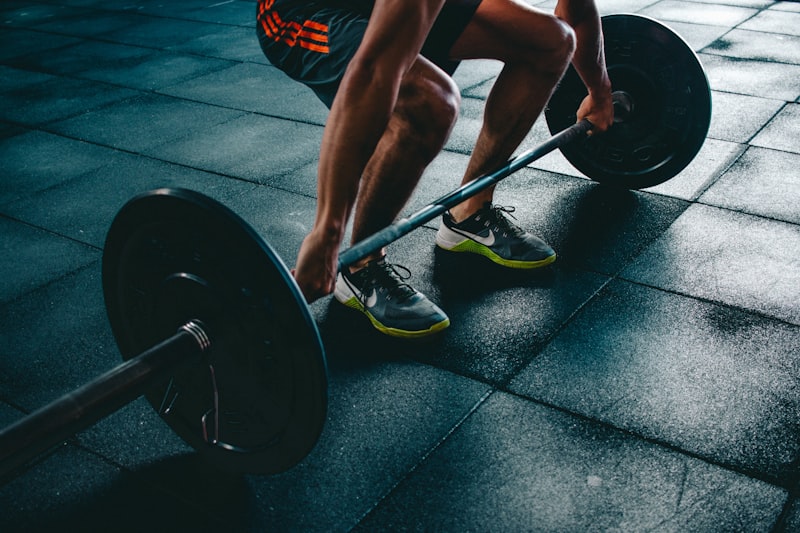
In the fast-paced world of 2026, where balancing work, family, and personal well-being is more challenging than ever, High-Intensity Interval Training (HIIT) has emerged as a game-changer for millions. This dynamic fitness trend emphasizes short bursts of intense exercise followed by brief recovery periods, making it accessible for people of all fitness levels. As experts highlight its effectiveness, HIIT is not just a workout; it's a pathway to improved health and vitality that fits seamlessly into daily life.
What Exactly is HIIT and Why is it Gaining Traction?
HIIT involves alternating between high-intensity exercises and low-intensity recovery phases, typically lasting from 20 to 30 minutes per session. Unlike traditional workouts that require hours at the gym, HIIT's efficiency stems from its ability to maximize calorie burn and boost metabolism in a fraction of the time. In 2026, with rising awareness of health risks like sedentary lifestyles and obesity, HIIT has seen a surge in popularity, backed by studies showing it can improve cardiovascular health, build muscle, and enhance endurance.
Fitness coaches and wellness experts point to real-world success stories, such as working parents who incorporate HIIT into their mornings to kickstart the day with energy. For instance, a recent survey from leading health organizations revealed that 65% of participants reported increased stamina after just four weeks of consistent HIIT routines. This trend isn't just about physical gains; it's about reclaiming time and fostering a sense of accomplishment that carries into other areas of life.
The Science Behind HIIT's Health Benefits
Delving deeper, HIIT's benefits are rooted in its impact on the body's systems. Research from 2026 highlights how these workouts elevate heart rate variability, which is crucial for stress management in our high-pressure society. A study published in a prominent health journal found that participants engaging in HIIT three times a week experienced a 15% reduction in blood pressure and improved insulin sensitivity, key factors in preventing diabetes.
Moreover, HIIT promotes the release of endorphins, often called the body's natural mood boosters, helping combat the mental health challenges that have intensified in recent years. Imagine starting your day with a quick HIIT session that leaves you feeling empowered and ready to tackle challenges, all while strengthening your immune system. This human-centered approach to fitness is why HIIT is resonating with diverse groups, from young professionals to retirees looking to stay active.
Practical Tips for Incorporating HIIT into Your Routine
Getting started with HIIT doesn't require fancy equipment or a gym membership—it's about simplicity and consistency. Begin with basic exercises like squats, push-ups, and jumping jacks, cycling through intense efforts for 30 seconds followed by 20 seconds of rest. For those new to exercise, it's essential to consult a healthcare professional to tailor the routine to your needs, ensuring safety and effectiveness.
- Start small: Aim for two sessions per week to build endurance without overwhelming your body.
- Vary your workouts: Mix in bodyweight exercises, cycling, or even swimming to keep things engaging and target different muscle groups.
- Track your progress: Use a journal or app to note improvements in energy levels and fitness milestones, which can motivate you to stay committed.
- Combine with nutrition: Pair HIIT with a balanced diet rich in whole foods to amplify results, such as enhanced weight management and better sleep quality.
As HIIT continues to evolve, community-driven challenges and group classes are making it more social, turning individual efforts into shared experiences that build lasting habits. In 2026, this trend is empowering people to take control of their health, fostering a culture of proactive wellness.
The Wider Implications for Society in 2026
Beyond individual benefits, the rise of HIIT reflects a broader shift towards sustainable health practices in 2026. With global health initiatives promoting preventive care, HIIT is being integrated into workplace wellness programs and school curricula, potentially reducing healthcare costs and improving overall productivity. Experts warn, however, that overdoing it can lead to injury, emphasizing the need for rest and recovery as part of any routine.
This trend underscores a collective move towards holistic well-being, where fitness is not an isolated activity but a cornerstone of daily life. As more people adopt HIIT, we're seeing positive ripple effects, like stronger communities and a decline in lifestyle-related diseases. Whether you're squeezing in a session before breakfast or unwinding with it after work, HIIT is proving that small, intense efforts can lead to monumental changes in health and happiness.
Looking Ahead: Sustaining the HIIT Momentum
In conclusion, the enduring appeal of HIIT in 2026 lies in its adaptability and proven results, making it a staple for anyone seeking to enhance their quality of life. By prioritizing this fitness trend, individuals are not just building stronger bodies; they're cultivating resilience and joy in an ever-changing world. As we embrace these routines, the future of health looks brighter, with more people thriving through informed, engaging practices that promote long-term vitality.