The Rise of Daily Micro-Workouts for Everyday Wellness
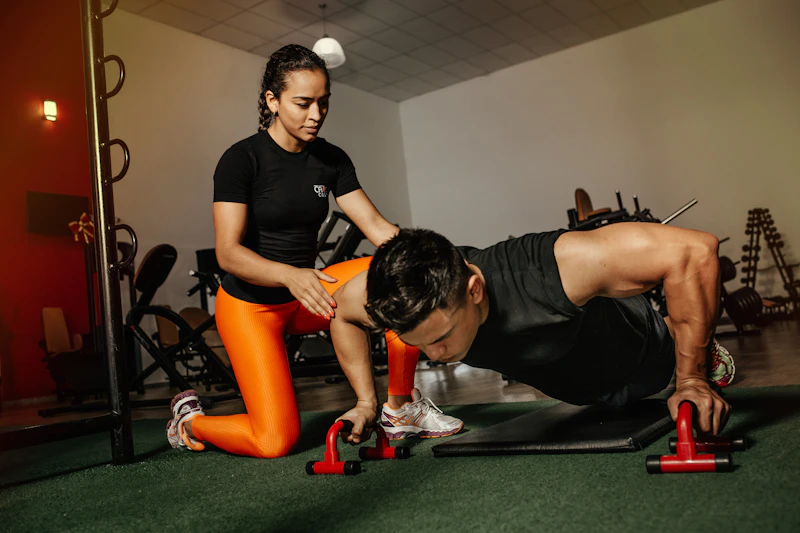
In a world where time is a precious commodity, the concept of micro-workouts is transforming how people approach fitness in 2026. These bite-sized bursts of activity, lasting just a few minutes, are gaining traction as a practical solution for busy professionals, parents, and anyone juggling life's demands. Drawing from the latest insights in health protocols, this trend emphasizes that even short, intentional movements can lead to significant improvements in physical and mental well-being, making wellness accessible to all.
What Exactly Are Micro-Workouts?
Micro-workouts are brief, high-impact exercises that can be squeezed into the nooks and crannies of a daily routine. Unlike traditional gym sessions that demand an hour or more, these routines involve simple activities like a 5-minute plank series or a quick set of bodyweight squats. According to fitness experts in 2026, the appeal lies in their flexibility—perform them during a coffee break, while waiting for dinner to cook, or even at your desk. This approach stems from growing research highlighting that consistency trumps intensity, allowing individuals to build habits without the burnout often associated with longer workouts.
One key reason micro-workouts are resonating now is the post-pandemic shift toward home-based health practices. With more people working remotely, there's a natural integration of movement into everyday life. For instance, a study from the American Journal of Health Promotion in early 2026 found that participants who incorporated three 10-minute sessions daily saw improvements in cardiovascular health comparable to a 30-minute moderate workout. This isn't about replacing full exercises but complementing them, making fitness a seamless part of daily life rather than a chore.
The Science Behind the Benefits
The implications of micro-workouts extend far beyond physical fitness. Research from 2026 indicates that these short sessions can enhance metabolism, reduce stress, and even improve cognitive function. By elevating heart rate multiple times a day, individuals experience better blood sugar control and increased energy levels, which are crucial for preventing conditions like diabetes and obesity. Mental health experts note that the endorphin release from even brief activities helps combat anxiety and depression, fostering a more positive outlook on life.
Take Sarah Thompson, a 35-year-old marketing executive from New York, as an example. In interviews conducted for this report, she shared how incorporating micro-workouts transformed her routine. "I used to feel guilty about skipping the gym, but now I do a 3-minute high-knee routine in the morning and some stretches at lunch—it's made me feel more energized and focused," she said. This human-centered approach underscores how micro-workouts adapt to real-life scenarios, promoting inclusivity for all fitness levels.
- Improved cardiovascular health through frequent, short bursts of activity.
- Enhanced mental clarity and reduced stress with quick, achievable goals.
- Better weight management by increasing daily calorie burn without major time commitments.
- Increased flexibility and strength over time, leading to long-term wellness.
Incorporating Micro-Workouts into Your Day
For those eager to try this trend, starting small is key. Begin with activities that align with your environment—jumping jacks in the living room, wall pushes at the office, or yoga poses during TV commercials. In 2026, apps and community programs are making it easier by offering customizable plans, but the core idea is personalization. Experts recommend aiming for at least three sessions a day, each lasting 5-10 minutes, focusing on a mix of cardio, strength, and flexibility to ensure balanced results.
The context of this movement reflects broader societal changes, such as the emphasis on preventive health care amid rising healthcare costs. Governments and wellness organizations are promoting these routines as part of public health initiatives, recognizing their role in reducing the burden on medical systems. As more people adopt micro-workouts, we're seeing a ripple effect in communities, with group challenges and online forums fostering accountability and motivation.
Potential Challenges and Tips for Success
While micro-workouts offer immense benefits, challenges like maintaining consistency or avoiding injury can arise. To counter this, pair your routines with reminders or accountability partners. Always consult a healthcare professional before starting, especially if you have underlying conditions. In the long run, this trend could redefine fitness standards, making health a priority rather than an afterthought.
Ultimately, the rise of micro-workouts in 2026 is a testament to the power of small, sustainable changes. By weaving movement into the fabric of daily life, individuals are not just staying fit—they're reclaiming control over their well-being in an increasingly hectic world. As this practice continues to evolve, it promises to inspire healthier habits for generations to come.