The Rise of Functional Fitness in Everyday Life
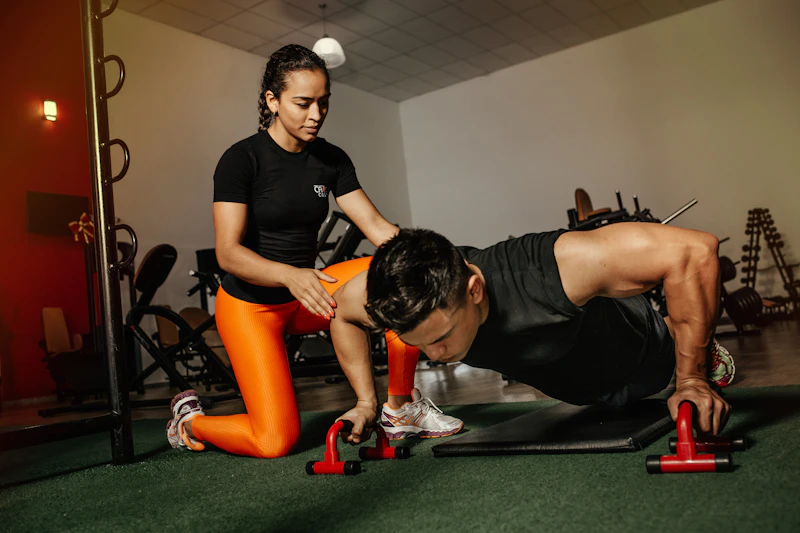
As we navigate the fast-paced world of 2026, functional fitness has emerged as a game-changer for those seeking sustainable health improvements without the need for fancy equipment or gym memberships. This approach focuses on exercises that mimic everyday activities, building strength, flexibility, and endurance in ways that directly translate to daily life. From lifting groceries to playing with kids, functional fitness makes every movement count, promoting a healthier, more active lifestyle for all ages.
What Exactly is Functional Fitness?
Functional fitness revolves around movements that engage multiple muscle groups simultaneously, unlike traditional workouts that isolate specific muscles. Think of it as training your body to handle real-life demands more effectively. For instance, squats and lunges aren't just exercises; they're preparations for bending down to tie your shoes or climbing stairs with ease. In 2026, experts note a surge in popularity due to its accessibility and adaptability, making it ideal for beginners and seasoned athletes alike. This trend gained momentum post-pandemic, as people prioritized holistic health over rigid routines.
According to fitness professionals, the core of functional fitness lies in its emphasis on balance, coordination, and core stability. A typical session might include bodyweight exercises like push-ups, planks, and kettlebell swings, all designed to improve functional strength. This isn't about bulking up or slimming down; it's about enhancing quality of life. In a year marked by technological advancements and hybrid work environments, functional fitness offers a refreshing return to basics, reminding us that true wellness comes from within.
The Benefits of Incorporating Functional Fitness
One of the standout advantages of functional fitness is its ability to reduce injury risk by strengthening the body's natural movement patterns. In 2026, with more people working from home and leading sedentary lives, this trend is crucial for combating issues like back pain and poor posture. Studies from leading health organizations highlight how regular functional exercises can boost metabolism, improve cardiovascular health, and even enhance mental clarity through the release of endorphins.
- Improved daily performance: Simple tasks become easier, reducing fatigue and boosting confidence.
- Enhanced joint health: By promoting full-range motions, it helps maintain flexibility as we age.
- Better mental health: The sense of accomplishment from mastering functional moves can alleviate stress and anxiety.
- Versatility for all fitness levels: Whether you're a busy parent or a retiree, routines can be scaled to fit your needs.
Moreover, functional fitness aligns perfectly with the 2026 wellness wave, where preventive care is emphasized. Health experts recommend integrating these routines into daily schedules, such as starting the day with a 20-minute circuit or using breaks for quick mobility drills. This proactive approach not only fosters physical resilience but also supports long-term vitality, making it a cornerstone of modern health strategies.
How to Get Started with Functional Fitness in 2026
Embarking on a functional fitness journey is straightforward and requires minimal investment. Begin by assessing your current capabilities—perhaps with a simple self-check of your balance and strength. Online resources and community classes, which have exploded in popularity this year, offer guided sessions tailored to individual goals. For example, a beginner might start with a routine of wall sits, step-ups, and rotational exercises, gradually increasing intensity as comfort grows.
In 2026, the integration of outdoor spaces for functional workouts has become a hit, especially in urban areas with dedicated fitness parks. Experts advise incorporating variety to keep things engaging, like combining yoga poses with resistance band work for a full-body experience. Consistency is key; aim for three to five sessions per week, listening to your body to avoid overexertion. Tracking progress through apps or journals can provide motivation, turning fitness into a rewarding habit.
Implications for Health and Society in 2026
The broader implications of functional fitness extend beyond personal health, influencing societal norms around wellness. As healthcare costs rise, this trend encourages self-empowerment, potentially reducing reliance on medical interventions for common ailments. Schools and workplaces are adopting functional fitness programs, fostering a culture of activity that benefits communities at large. In a world still recovering from global challenges, this movement symbolizes resilience and adaptability.
Looking ahead, functional fitness is poised to evolve, with innovations in wearable tech providing real-time feedback without overshadowing the human element. It's not just about physical gains; it's about reclaiming control over our bodies and minds. By prioritizing functional fitness, individuals in 2026 are building a foundation for a healthier future, one step at a time.
Final Thoughts on This Empowering Trend
In conclusion, the rise of functional fitness in 2026 offers a practical, inclusive path to better health, proving that small, intentional changes can lead to profound results. Whether you're seeking to enhance your daily routine or simply feel more capable, embracing this trend could be the key to unlocking your full potential. As more people adopt these strategies, we're witnessing a collective shift towards a more vibrant, health-conscious society.