The Rise of HIIT Workouts for Everyday Fitness in 2026
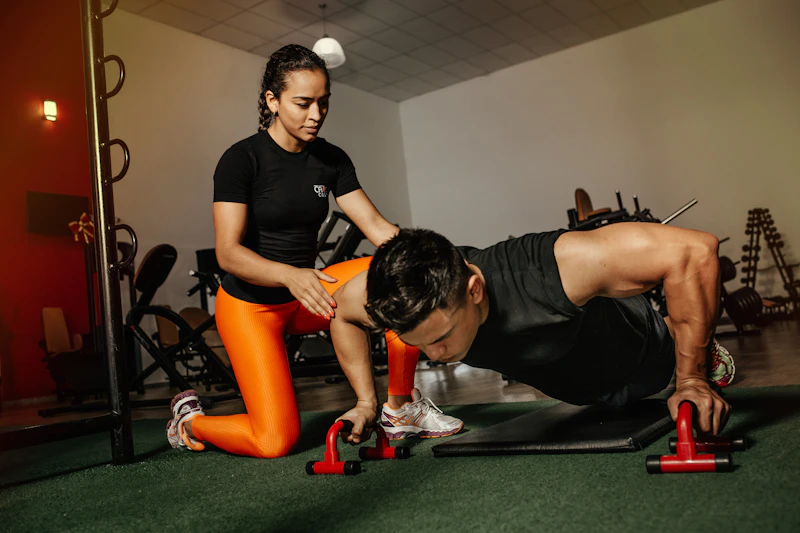
In the fast-paced world of 2026, where balancing work, family, and personal well-being is more crucial than ever, high-intensity interval training (HIIT) has emerged as a go-to fitness trend that promises big results in minimal time. This approach combines short bursts of intense exercise with periods of rest, making it accessible for anyone from busy professionals to stay-at-home parents. As health experts highlight its efficiency, HIIT is reshaping how people approach their daily routines, promoting not just physical strength but overall vitality.
What Exactly is HIIT and Why is it Trending in 2026?
HIIT involves alternating between high-energy activities, like sprinting or bodyweight exercises, and brief recovery periods. For instance, a typical session might include 30 seconds of jumping jacks followed by 20 seconds of rest, repeated for 20 to 30 minutes. This trend has gained momentum in 2026 due to its adaptability—workouts can be done at home, in a park, or at the gym, requiring little to no equipment. With global health organizations emphasizing the need for efficient exercise amid rising sedentary lifestyles, HIIT appeals to those seeking to combat issues like obesity and heart disease without hours in the gym.
Experts point to studies from leading health journals in 2026 that show HIIT can boost cardiovascular health, improve metabolism, and even enhance mental clarity. Unlike traditional steady-state cardio, such as jogging for an hour, HIIT's structure allows for greater calorie burn in less time, often continuing to torch calories post-workout through an effect called excess post-exercise oxygen consumption (EPOC). This makes it ideal for the modern individual juggling multiple responsibilities, as sessions can be squeezed into a lunch break or evening routine.
The Health Benefits and Implications for Daily Life
One of the most compelling aspects of HIIT is its wide-ranging health benefits. Research from 2026 indicates that regular HIIT participation can lower blood pressure, reduce body fat, and strengthen muscles, all while improving insulin sensitivity—a critical factor in preventing diabetes. For everyday people, this means better energy levels and a reduced risk of chronic illnesses, which are on the rise due to lifestyle factors like desk-bound jobs and urban living.
Moreover, HIIT's mental health perks are significant. In an era where stress and anxiety are prevalent, these workouts release endorphins, the body's natural mood boosters, helping individuals feel more resilient and focused. A 2026 survey by wellness organizations revealed that participants who incorporated HIIT into their routines reported higher productivity and lower stress levels, underscoring its role in holistic well-being.
How to Get Started with HIIT Safely
Beginning a HIIT routine doesn't require a gym membership or fancy gear. Start with basic exercises like squats, push-ups, and burpees, ensuring you warm up for five minutes to prevent injury. A sample beginner workout might include:
- 20 seconds of high knees, followed by 10 seconds of rest.
- 20 seconds of plank holds, then 10 seconds of rest.
- 20 seconds of jumping jacks, followed by 10 seconds of rest.
- Repeat for three rounds, with a one-minute break in between.
It's essential to listen to your body and consult a healthcare professional, especially if you have underlying conditions. In 2026, with advanced community fitness programs and virtual classes, resources are plentiful to guide newcomers. The key is consistency—aim for two to three sessions per week, gradually increasing intensity as you build endurance.
HIIT in the Context of 2026 Wellness Trends
As we navigate 2026, HIIT fits seamlessly into broader wellness movements that prioritize sustainability and personalization. With environmental concerns influencing lifestyles, this low-impact option reduces the need for travel to gyms, aligning with eco-friendly habits. Communities are integrating HIIT into public health initiatives, such as park-based classes, fostering social connections and collective motivation. This trend also intersects with nutrition advice, where pairing HIIT with balanced diets amplifies results, encouraging a comprehensive approach to health.
The implications extend beyond individual benefits; economies are seeing boosts from healthier populations, with reduced healthcare costs and increased workplace productivity. As more people adopt HIIT, it's clear this isn't just a fad but a foundational element of modern fitness culture. For those looking to reclaim their health in an increasingly demanding world, HIIT offers a practical, empowering path forward.
Looking Ahead: The Lasting Impact of HIIT
In conclusion, the surge of HIIT in 2026 represents a shift towards efficient, inclusive fitness that empowers individuals to take charge of their health. By blending intensity with recovery, it addresses the needs of a diverse population, promoting longevity and joy in physical activity. As this trend evolves, it promises to inspire even more innovative ways to stay fit, ensuring that everyone can thrive in the years to come.