The Rise of HIIT Workouts for Everyday Wellness in 2026
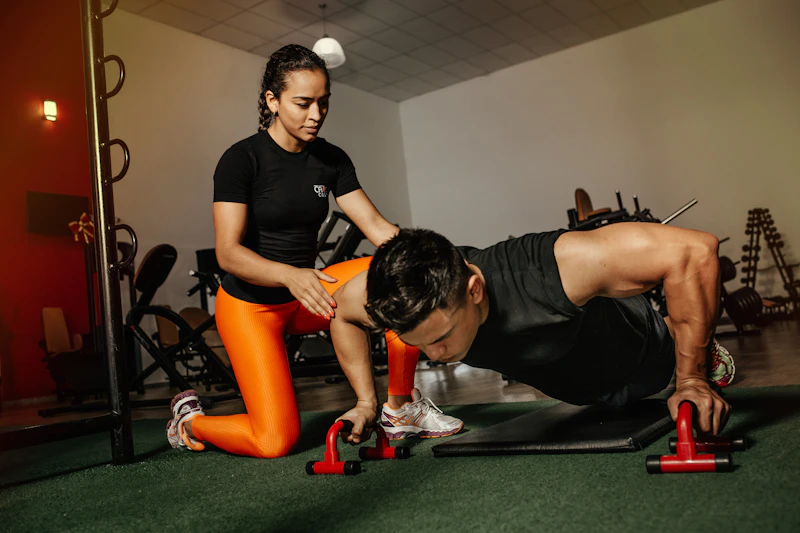
As we navigate the fast-paced demands of 2026, HIIT workouts have emerged as a game-changer for people seeking efficient ways to stay fit and healthy without sacrificing precious time. This high-intensity interval training method combines short bursts of intense exercise with brief recovery periods, making it accessible for beginners and veterans alike. With its roots in athletic training, HIIT has evolved into a mainstream fitness trend, helping individuals achieve remarkable results in just 20-30 minutes a day.
What Exactly is HIIT and Why is it Popular in 2026?
HIIT involves alternating between high-energy exercises and rest or low-intensity activity, designed to maximize calorie burn and cardiovascular benefits in a condensed timeframe. In 2026, this trend has surged due to its adaptability to hybrid lifestyles, where remote work and on-the-go routines dominate. Fitness experts note that HIIT's appeal lies in its versatility—you can do it at home, in a park, or at the gym, using minimal equipment like dumbbells or just body weight. According to recent surveys, over 60% of fitness enthusiasts in urban areas have incorporated HIIT into their weekly schedules, citing improved energy levels and mental clarity as key motivators.
The science behind HIIT is compelling. Studies from leading health organizations highlight how these workouts elevate the heart rate to enhance metabolism, leading to continued fat burning even after the session ends. This 'afterburn effect,' known as excess post-exercise oxygen consumption (EPOC), makes HIIT particularly effective for weight management in an era where sedentary jobs are prevalent. For instance, a 2026 report from the Global Health Institute showed that participants who engaged in HIIT three times a week experienced a 15% increase in endurance within two months.
The Benefits of HIIT for Daily Life
Beyond physical gains, HIIT offers profound implications for mental and emotional well-being. In a year marked by stress from economic shifts and environmental concerns, these workouts provide a quick stress reliever. The endorphin rush from intense activity helps combat anxiety and improves sleep quality, which is crucial as sleep disorders rise globally. Moreover, HIIT's inclusivity means it can be modified for all fitness levels—older adults might opt for chair-based HIIT, while younger individuals push their limits with plyometrics.
One of the most exciting aspects of HIIT in 2026 is its role in preventive health. With chronic diseases like diabetes and heart conditions on the rise, incorporating HIIT can lower blood pressure and improve insulin sensitivity. A detailed analysis from wellness experts emphasizes that just 150 minutes of HIIT per week can reduce the risk of heart disease by up to 20%. This makes it a vital tool for public health, encouraging people to take proactive steps toward longevity.
How to Get Started with HIIT Safely
Beginning a HIIT routine doesn’t require a gym membership or fancy gear, but safety is paramount. Start with a warm-up to prevent injuries, such as dynamic stretches or a light jog. A basic HIIT session might include 30 seconds of squats followed by 20 seconds of rest, repeated for several rounds. For those new to exercise, consulting a certified trainer can help tailor a plan that aligns with personal goals and health conditions.
- Choose exercises that target multiple muscle groups, like burpees, lunges, or kettlebell swings.
- Monitor your intensity using a heart rate monitor to stay within a safe zone.
- Incorporate variety to keep sessions engaging, such as mixing in yoga poses for recovery.
- Stay hydrated and listen to your body, resting as needed to avoid burnout.
In the context of 2026’s wellness landscape, HIIT isn’t just about sweating it out; it’s about building sustainable habits that enhance quality of life. Communities are seeing a ripple effect, with group HIIT classes fostering social connections and accountability. As more people prioritize mental health alongside physical fitness, this trend underscores the importance of holistic approaches to well-being.
Implications for the Future of Fitness
Looking ahead, HIIT’s influence extends to broader societal changes, such as workplace wellness programs that integrate short HIIT breaks to boost productivity. Schools and corporations are adopting it as a standard, recognizing its efficiency in a time-constrained world. However, experts caution against overdoing it, recommending at least one rest day per week to allow for recovery and prevent strain. The key to success with HIIT is consistency and balance, ensuring it complements a nutritious diet and adequate rest.
Ultimately, as we embrace 2026’s innovative fitness solutions, HIIT stands out as a beacon for accessible, effective health maintenance. By making exercise enjoyable and efficient, it empowers individuals to reclaim their vitality and thrive in an ever-evolving environment.