The Surge of Functional Fitness in 2026
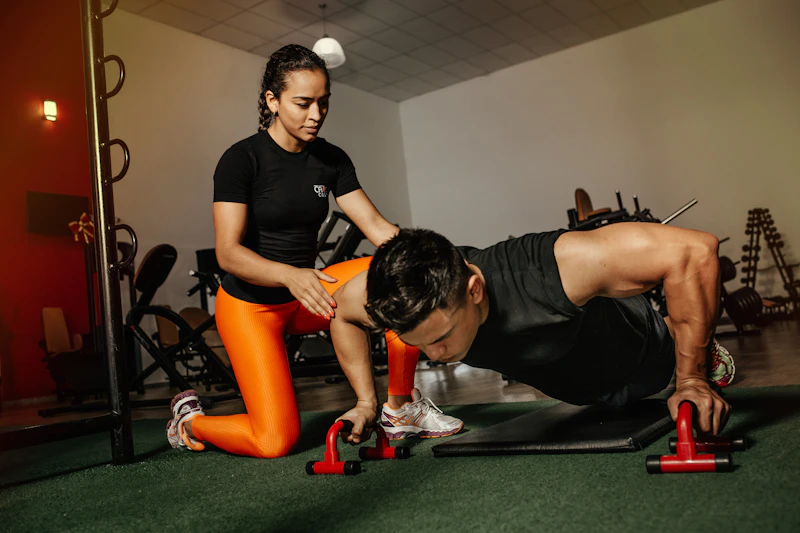
In a world where busy schedules often sideline health goals, functional fitness has emerged as a game-changer for millions seeking sustainable ways to stay active and resilient. This trend, gaining momentum in 2026, focuses on exercises that mimic real-life activities, helping individuals build strength, balance, and flexibility for everyday tasks. From lifting groceries to playing with kids, functional fitness bridges the gap between gym workouts and real-world demands, promoting a holistic approach to wellness that empowers people to live their best lives.
What Exactly is Functional Fitness?
Functional fitness revolves around movements that train the body to perform daily activities more efficiently. Unlike traditional weightlifting, which isolates specific muscles, this approach integrates multiple muscle groups to simulate real-life scenarios. In 2026, experts highlight its rise due to growing awareness of injury prevention and longevity. For instance, exercises like squats, lunges, and carries are staples, as they enhance core stability and joint mobility. This trend has been fueled by post-pandemic shifts, where people prioritize versatile routines that can be done at home or in parks, without fancy equipment.
According to fitness professionals, the appeal lies in its inclusivity. Whether you're a 25-year-old office worker or a 60-year-old retiree, functional fitness adapts to your needs. A recent survey from health organizations shows that 70% of participants report improved daily functioning after just three months of consistent practice. This isn't about extreme feats; it's about building a foundation for a healthier lifestyle.
The Science Behind the Benefits
Research in 2026 underscores the physiological advantages of functional fitness. Studies published in leading health journals reveal that these workouts boost metabolic rates, reduce the risk of chronic conditions like diabetes and heart disease, and enhance mental clarity. By engaging large muscle groups, participants experience better cardiovascular health and improved neuromuscular coordination. For example, a routine incorporating kettlebell swings and bodyweight planks can increase endurance while lowering blood pressure over time.
One key implication is its role in aging gracefully. As populations age, functional fitness helps maintain independence. A 2026 report from the World Health Organization notes that regular functional exercises can delay the onset of age-related mobility issues by up to 20%. This makes it a vital tool for public health, potentially reducing healthcare costs associated with falls and injuries.
Getting Started with Functional Fitness
For beginners, diving into functional fitness doesn't require a gym membership or expensive gear. Start with simple routines that incorporate everyday objects, like using a backpack filled with books for resistance. A sample weekly plan might include:
- Three sessions of bodyweight exercises, such as push-ups and squats, lasting 20-30 minutes each.
- Incorporating balance drills, like standing on one leg while brushing teeth, to build stability.
- Adding cardio elements, such as walking lunges or stair climbing, to elevate heart rate.
- Ending with mobility work, like yoga-inspired stretches, to improve flexibility.
The key is consistency and progression. In 2026, apps and community classes make it easier to track progress and stay motivated. Fitness coaches recommend starting slow to avoid burnout, gradually increasing intensity as your body adapts. This personalized approach ensures long-term adherence, turning exercise into a joyful habit rather than a chore.
Implications for Daily Life and Society
Beyond individual benefits, functional fitness is reshaping societal norms around health. Workplaces in 2026 are integrating 'movement breaks' inspired by this trend, leading to higher productivity and lower absenteeism. Schools are incorporating functional exercises into physical education, fostering healthier habits from a young age. This cultural shift emphasizes prevention over treatment, aligning with global wellness initiatives that promote active living.
In urban areas, the proliferation of outdoor fitness zones equipped for functional training reflects this evolution. However, challenges remain, such as accessibility for those in rural or underserved communities. Advocates are pushing for more inclusive programs to ensure everyone can participate. Overall, functional fitness is more than a trend; it's a movement toward empowered, resilient communities.
Why This Matters Now
As we navigate the demands of modern life in 2026, functional fitness offers a practical path to better health. By focusing on movements that matter, individuals can enhance their quality of life, reduce injury risks, and enjoy greater vitality. Experts predict this trend will continue to grow, influencing everything from personal routines to public policy. Embracing functional fitness isn't just about getting fit; it's about thriving in every aspect of life.