Three Dead in Hantavirus Outbreak on Atlantic Cruise Ship
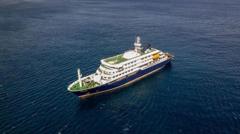
The Outbreak on the Cruise Ship
In a alarming development amid global health vigilance, an Atlantic cruise ship has become the epicenter of a suspected hantavirus outbreak, resulting in at least three fatalities. The World Health Organization (WHO) has confirmed one case of hantavirus infection, while five additional cases are under investigation. This incident, reported on May 4, 2026, highlights the ongoing challenges in managing infectious diseases in confined, mobile environments like cruise vessels.
The outbreak was first detected when passengers exhibited symptoms consistent with hantavirus, including fever, fatigue, and respiratory issues. Hantavirus, typically transmitted through contact with infected rodents or their excreta, is rare in maritime settings, making this event particularly noteworthy. According to the WHO's preliminary statement, the infected individuals were passengers on a luxury liner operating in the Atlantic Ocean, though specific details about the ship's route or origin remain undisclosed to protect ongoing investigations.
Details of the Incident
Authorities were alerted when the ship's medical team reported unusual illnesses among passengers and crew. The WHO, in coordination with international health bodies, swiftly dispatched experts to the vessel. Initial tests confirmed one case, with genetic analysis linking it to a strain of hantavirus commonly found in certain rodent populations. The five suspected cases involve individuals who displayed similar symptoms and had potential exposure to the same environments on the ship.
Emergency protocols were activated, leading to the quarantine of the affected ship. Passengers and crew were isolated, and the vessel was diverted to a designated port for thorough decontamination and medical screening. Health officials emphasized that hantavirus is not typically airborne or highly contagious between humans, but precautions were taken to prevent any secondary spread. By the time of this report, three individuals had succumbed to the infection, underscoring the virus's potential lethality, especially in those with underlying health conditions.
Implications for Public Health
This outbreak raises significant concerns about the resurgence of zoonotic diseases in 2026, a year marked by increased global travel and environmental changes that could facilitate virus transmission. Hantavirus, while not new, has historically been associated with rural areas where human-rodent interactions are common. Its appearance on a cruise ship suggests possible lapses in biosecurity measures, such as pest control on board, which could have allowed rodents to infest the vessel.
The WHO has advised heightened surveillance for similar incidents, particularly in tourism hotspots. Implications extend to the cruise industry, which may face stricter regulations on health and safety protocols. Experts warn that delayed detection can exacerbate outbreaks, as seen here, potentially leading to international travel restrictions or mandatory health declarations for passengers. In response, several countries have pledged to enhance port screenings and collaborate on rapid response teams to mitigate future risks.
Context and Historical Background
Hantavirus has been a known threat since the 1990s, with outbreaks reported in various parts of the world, including the Americas and Asia. The virus causes diseases like Hantavirus Pulmonary Syndrome (HPS), which can progress rapidly and have a high mortality rate. In 2026, advancements in diagnostic tools and vaccines have improved responses to such threats, yet this incident demonstrates that viruses can still emerge in unexpected contexts.
Globally, the COVID-19 pandemic's legacy has left health systems better prepared, with rapid testing and contact tracing now standard. However, this event serves as a reminder that emerging pathogens require constant vigilance. Environmental factors, such as climate change, may be contributing to the spread of hantavirus by altering rodent habitats and migration patterns, potentially increasing human exposure.
In the broader context, this outbreak could influence international health policies, prompting updates to maritime health guidelines under the International Health Regulations. Stakeholders, including cruise operators and governments, are likely to review and strengthen preventive measures to safeguard public health during travel.
Current Response and Future Outlook
As investigations continue, the WHO is working with the ship's operators and affected nations to contain the situation. Support includes providing medical aid, counseling for those impacted, and public education on hantavirus prevention. While the immediate threat appears contained, this episode underscores the need for ongoing investment in global health infrastructure.
Moving forward, experts predict that such incidents will inform better preparedness strategies, including routine environmental health checks on vessels. The global community must remain proactive to prevent isolated events from escalating into wider crises, ensuring that travel remains safe in an interconnected world.