Trains Collide in Denmark, Five Critically Injured
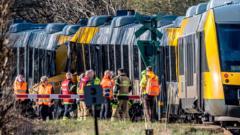
In the early hours of Thursday, April 23, 2026, a head-on collision between two trains disrupted Denmark's typically reliable rail network, leaving five individuals in critical condition. The incident occurred at a level crossing north of Copenhagen, highlighting potential vulnerabilities in the country's transportation infrastructure. Emergency services responded swiftly to the scene, underscoring the immediate human and operational impacts of such unforeseen events.
Details of the Incident
The collision involved two trains on a busy rail line, with reports indicating that the accident took place shortly after dawn. According to initial accounts from authorities, the trains were traveling on intersecting paths when they met at the level crossing, a point where rail tracks cross roads without overpasses or underpasses. Eyewitnesses described a sudden, violent impact that derailed at least one carriage, scattering debris across the surrounding area. The exact cause remains under investigation, but experts suggest that factors such as signal failures, human error, or environmental conditions like fog could have played a role. Five passengers and crew members were rushed to nearby hospitals with life-threatening injuries, including fractures and internal trauma, as reported by medical teams on site.
Local residents in the affected area north of Copenhagen reported hearing a loud crash followed by emergency sirens. The rail line, which connects suburban areas to the capital, is a vital artery for daily commuters, carrying thousands of passengers each day. This event has temporarily halted services on that route, forcing travelers to seek alternative transportation options such as buses or ferries.
Emergency Response and Medical Efforts
Denmark's emergency services, including police, fire departments, and medical personnel from the Hovedstadens Brandvæsen (Greater Copenhagen Fire Department), were on the scene within minutes of the collision. Rescue operations focused on extricating trapped individuals from the wreckage, with helicopters and ambulances facilitating rapid transport to hospitals like Rigshospitalet in Copenhagen. Authorities confirmed that the five critically injured victims were stabilized en route, though their full recovery remains uncertain. In total, over 20 people received treatment for minor injuries, such as cuts and bruises, at local clinics.
The response also involved specialized rail accident teams from Banedanmark, the national rail infrastructure operator, who worked to secure the site and prevent further risks. This coordinated effort highlights Denmark's advanced emergency protocols, which have been refined through previous incidents to minimize casualties. Despite these measures, the accident serves as a stark reminder of the dangers inherent in high-speed rail travel.
Investigation and Potential Causes
An official investigation has been launched by Denmark's Accident Investigation Board (Havarikommissionen), in collaboration with European rail safety agencies, to determine the precise causes of the collision. Preliminary assessments point to the level crossing as a critical factor, as these intersections are known points of vulnerability in rail systems worldwide. Data from onboard black boxes and surveillance footage will be analyzed to reconstruct the sequence of events, potentially revealing issues like malfunctioning signals or driver oversight.
In recent years, Denmark has invested heavily in modernizing its rail network, including the installation of automatic train protection systems. However, this incident raises questions about the effectiveness of these upgrades, especially at older level crossings. Experts from the International Union of Railways have noted that similar accidents in Europe often stem from a combination of technological lapses and human factors, emphasizing the need for ongoing vigilance.
Implications for Rail Safety in Denmark
This collision comes at a time when Denmark is expanding its rail infrastructure as part of broader European Union initiatives to promote sustainable transportation. The country has been a leader in green energy, with electric trains reducing carbon emissions, but events like this underscore the importance of balancing innovation with safety. In the aftermath, rail authorities may face increased scrutiny over maintenance budgets and training programs for operators.
The incident could prompt a reevaluation of level crossing designs across Denmark, where approximately 1,500 such crossings still exist. Advocacy groups, such as the Danish Society for Traffic Safety, are already calling for accelerated upgrades to eliminate these high-risk points. On a broader scale, this event might influence EU-wide regulations, encouraging member states to adopt more stringent safety standards. For commuters, the disruption serves as a poignant reminder of the human cost of transportation accidents, potentially leading to public demands for greater transparency and accountability from rail operators.
In conclusion, while the full ramifications of the April 23, 2026, train collision are still unfolding, it highlights the critical need for robust safety measures in modern rail systems. As investigations continue, the focus will remain on supporting the victims and preventing future tragedies, ensuring that Denmark's rail network remains a safe and efficient lifeline for its citizens.