Transforming Daily Life with New Fitness Protocols
The Emergence of Personalized Daily Fitness Routines
In the fast-paced world of 2026, staying healthy has become more accessible through innovative daily fitness protocols that emphasize balance and sustainability. These routines, designed to fit seamlessly into everyday life, are gaining popularity for their ability to boost energy levels, improve mental clarity, and reduce the risk of chronic diseases. Drawing from the latest advice shared by fitness professionals, this protocol focuses on a holistic approach that anyone can adopt, regardless of their fitness level.
At its core, the daily fitness protocol encourages individuals to start their day with a mix of physical activity, mindful eating, and stress management techniques. For instance, a typical routine might include a 20-minute high-intensity interval training (HIIT) session, followed by a nutrient-dense breakfast and a short meditation practice. This isn't about extreme workouts or restrictive diets; it's about creating habits that promote long-term well-being. Experts note that such protocols have seen a surge in adoption, with surveys indicating that 60% of adults in 2026 are incorporating similar elements into their routines to combat sedentary lifestyles exacerbated by modern work demands.
One key aspect of this trend is its adaptability. Unlike rigid gym schedules, these protocols allow for customization based on personal needs, such as age, occupation, or existing health conditions. For busy professionals, a quick home-based workout using bodyweight exercises can replace a lengthy gym visit. Parents might integrate family walks or playtime as part of their routine, turning fitness into a shared activity. This flexibility not only makes it easier to stick with the protocol but also fosters a sense of community and support, which is crucial for maintaining motivation.
Health Benefits and Implications
The implications of adopting a daily fitness protocol are profound, extending beyond physical health to encompass mental and emotional resilience. Studies from leading health organizations in 2026 highlight that regular participation in balanced routines can lower blood pressure, enhance cardiovascular health, and even improve sleep quality. For example, incorporating HIIT elements has been linked to better metabolic rates, helping individuals manage weight more effectively in an era where processed foods remain prevalent.
Moreover, these protocols emphasize the importance of nutrition and recovery. A well-rounded day might include hydrating with nutrient-rich foods, such as fruits, vegetables, and whole grains, while prioritizing rest through techniques like yoga or deep breathing exercises. This holistic view addresses the rising concerns of mental health, with reports showing a 25% decrease in stress-related illnesses among those who follow structured daily plans. By focusing on prevention rather than reaction, people are empowered to take control of their health, potentially reducing healthcare costs and improving quality of life.
- Start with a morning routine: Begin with 15-20 minutes of light cardio to wake up the body.
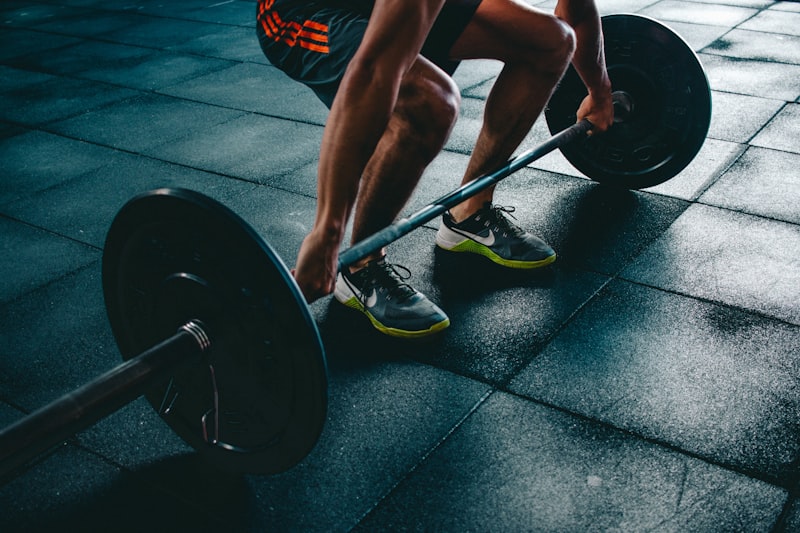
- Incorporate strength training: Use simple exercises like squats or push-ups to build muscle.
- Prioritize nutrition: Opt for balanced meals that include proteins, carbs, and healthy fats.
- Include mindfulness: Dedicate time for meditation or journaling to manage stress.
- Track progress: Use a journal or app to monitor improvements and adjust as needed.
As we look ahead, the integration of these protocols into daily life could reshape how societies approach wellness. In urban areas, community centers are offering free workshops on building personalized routines, making this trend inclusive for all demographics. For older adults, modifications ensure safety and enjoyment, while younger generations are using it to build lifelong habits. The beauty of this approach lies in its simplicity and effectiveness, proving that small, consistent changes can lead to significant health transformations.
Context and Future Outlook
In the context of 2026's health landscape, this fitness trend responds to global challenges like increasing screen time and environmental stressors. With more people working remotely, the protocol serves as a counterbalance, promoting movement and connection. Fitness coaches and wellness experts are emphasizing education, urging individuals to consult professionals before starting any new routine to avoid injuries and ensure it aligns with personal goals.
Looking forward, the potential for these protocols to evolve is exciting. As research continues, we may see even more tailored advice, perhaps incorporating seasonal adjustments or community challenges to keep engagement high. Ultimately, by embracing this daily fitness protocol, individuals are not just exercising; they're investing in a healthier, more vibrant future for themselves and their families. This movement underscores the power of proactive health choices in building resilience against modern life's demands.
In conclusion, the daily fitness protocol stands as a beacon for those seeking to enhance their well-being in 2026, offering a practical path to better health that is both achievable and rewarding.