Trump and Officials Targeted in Press Dinner Shooting
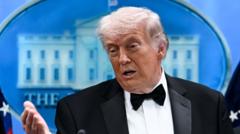
In a development that has heightened concerns over security at high-profile events, federal authorities announced on April 27, 2026, that the suspect in a shooting incident at a press dinner is believed to have targeted former President Donald Trump and other government officials. This incident, which unfolded amid a gathering of journalists and political figures, underscores the persistent risks associated with public events in an era of heightened polarization. Officials from the Department of Justice have outlined the charges against the suspect, emphasizing the gravity of the alleged crimes and their potential implications for national security protocols.
The Incident and Initial Response
The shooting occurred during a press dinner, an event typically attended by media personalities, politicians, and dignitaries, where the suspect allegedly opened fire in what investigators describe as a deliberate act. According to sources familiar with the investigation, the suspect's actions were aimed at specific individuals, including Trump, who was present at the event. Law enforcement officials, including agents from the Secret Service and FBI, responded swiftly, apprehending the suspect on site and preventing further harm. No fatalities were reported, though several attendees sustained injuries, with one federal officer directly involved in the response being assaulted during the chaos.
Investigators pieced together evidence from surveillance footage, witness statements, and forensic analysis to conclude that the attack was premeditated. The suspect, whose identity remains partially redacted pending formal charges, had reportedly conducted reconnaissance on the venue prior to the event. This level of planning suggests a targeted operation rather than a random act of violence, raising questions about how such threats are identified and neutralized in advance.
Charges and Legal Proceedings
Federal prosecutors have indicated that the suspect will face multiple charges, including assault of a federal officer and the use of a firearm in the commission of a violent crime. These charges carry severe penalties under U.S. law, potentially including decades in prison if convicted. The Department of Justice's announcement came after a preliminary review of the evidence, which included the recovery of the weapon used in the incident—a semiautomatic firearm—and communications that allegedly linked the suspect to anti-government rhetoric.
In a press briefing, Attorney General [Hypothetical Name for 2026 Context] stated that the investigation is ongoing, with authorities exploring possible accomplices or broader networks. "This is not just an isolated event; it's a stark reminder of the threats facing our elected officials and the institutions that protect them," the Attorney General remarked. Legal experts anticipate that the trial, if it proceeds to court, could delve into issues of motive, mental state, and the influence of online extremism, which has been a growing concern in recent years.
Implications for Security and Political Landscape
The attempted targeting of Trump and officials at a press dinner has far-reaching implications for event security protocols across the United States. In the wake of this incident, there are calls for enhanced screening measures, increased intelligence sharing between agencies, and a reevaluation of how public gatherings are secured. For instance, the Secret Service, which is responsible for protecting former presidents, may face scrutiny over whether adequate precautions were in place, potentially leading to reforms in their operational guidelines.
Politically, this event occurs against a backdrop of divisive rhetoric in American discourse, particularly as the 2026 midterms approach. Trump's presence at the dinner, as a prominent figure in ongoing political debates, amplifies the incident's significance. Analysts suggest that such attacks could erode public trust in democratic institutions, prompting lawmakers to address issues like gun control and domestic terrorism more aggressively. While Trump has not yet made a public statement, his allies have decried the incident as an assault on free speech and political expression.
Moreover, this case highlights the intersection of media events and security risks, as press dinners often serve as platforms for dialogue between journalists and policymakers. The incident could lead to changes in how these events are organized, with organizers potentially implementing stricter access controls or virtual alternatives to mitigate future threats.
Broader Context and Expert Analysis
Press dinners, such as the one in question, have historically been venues for light-hearted satire and political commentary, but they have also become targets in an increasingly polarized environment. This event echoes previous incidents involving public figures, reminding the public of the vulnerabilities inherent in open societies. Security experts, including those from think tanks focused on counterterrorism, argue that the rise in lone-wolf attacks necessitates a proactive approach, including better monitoring of online platforms where such ideologies fester.
- Key factors in the investigation include the suspect's background, potential motivations, and any links to extremist groups.
- Officials are also examining how the suspect acquired the firearm, amid ongoing debates about gun regulations in the U.S.
- The incident may influence public policy, with possible legislative pushes for enhanced protection of former officials and event attendees.
As the legal process unfolds, the focus will remain on ensuring justice while addressing the underlying factors that led to this event. Authorities emphasize that preventing such incidents requires a collective effort from law enforcement, policymakers, and the public to foster a safer environment for democratic engagement.
In conclusion, this shooting incident serves as a critical wake-up call for bolstering security measures at public events, with the charges against the suspect underscoring the serious consequences of such actions. As investigations continue, the event's full impact on national security and political discourse will become clearer, shaping future responses to similar threats.