Trump and Xi Conclude Talks Without Trade Deals
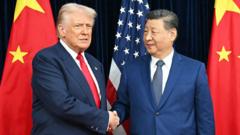
The Details of the Trump-Xi Summit
In a high-profile diplomatic engagement on May 15, 2026, former U.S. President Donald Trump and Chinese President Xi Jinping concluded what both sides labeled as 'very successful' talks, though no substantive deals emerged from the discussions. The two-day visit, held in a neutral location amid ongoing global tensions, was marked by meticulously planned ceremonies, including formal dinners and photo opportunities, but lacked breakthroughs on key trade issues that have long strained U.S.-China relations.
According to reports from the event, the agenda focused primarily on trade imbalances, tariffs, and potential areas for economic cooperation. Trump, who has maintained a significant role in international affairs post-presidency, emphasized the positive tone of the discussions in his post-meeting statements. He described the talks as a step toward better bilateral understanding, stating, 'We had great conversations, and while we didn't finalize any deals, the foundation is there for future progress.' Xi Jinping echoed similar sentiments, highlighting the importance of dialogue in an increasingly interconnected world. However, insiders noted that deep-seated disagreements over trade policies, intellectual property rights, and market access persisted, preventing any formal agreements.
The summit began with a ceremonial welcome, including a red-carpet arrival and bilateral meetings that stretched over hours. Delegations from both sides engaged in rounds of negotiations, but as the summary from the primary source indicates, the emphasis was more on symbolism than substance. No joint statements or press releases detailed specific outcomes, leaving analysts to speculate on the implications. This approach aligns with previous U.S.-China interactions, where high-level summits often prioritize relationship-building over immediate results.
Implications for Global Trade and Diplomacy
The lack of concrete trade breakthroughs raises questions about the future of U.S.-China economic relations in 2026. With global supply chains still recovering from past disruptions, the absence of deals could exacerbate existing tensions, potentially leading to prolonged tariffs and trade barriers. Experts suggest that this outcome might signal a shift toward more cautious engagement, as both nations navigate domestic pressures and geopolitical rivalries. For the U.S., Trump's involvement underscores his continued influence on foreign policy, even outside official channels, while China may use the meeting to project stability amid internal economic challenges.
In broader terms, the summit highlights the evolving dynamics of international diplomacy. As major powers like the U.S. and China grapple with issues such as technology transfer and environmental cooperation, events like this one serve as barometers for global stability. The 'very successful' label, despite no deals, could indicate a mutual interest in de-escalating conflicts, but it also risks fostering skepticism among allies and trading partners who expect tangible results. For instance, European nations monitoring the talks might adjust their own trade strategies based on whether U.S.-China relations harden or soften.
Context of U.S.-China Relations in 2026
To understand the significance of these talks, it's essential to consider the historical context of U.S.-China interactions. Since the early 2000s, relations have oscillated between cooperation and competition, with trade wars under Trump's first administration setting a precedent for confrontational diplomacy. By 2026, the global landscape has been shaped by events like the ongoing effects of climate change agreements and shifts in manufacturing dominance, making these discussions particularly timely. Trump's return to the diplomatic stage adds a layer of unpredictability, as his approach often emphasizes bilateral deals over multilateral frameworks.
China, under Xi's leadership, has continued to assert its influence through initiatives like the Belt and Road, which intersect with U.S. interests in regions such as Asia and Africa. The choreographed nature of the summit—filled with symbolic gestures but lacking in policy advancements—mirrors past encounters, such as the 2017 Mar-a-Lago meeting. This pattern suggests that while personal rapport between leaders can ease tensions, structural issues require more than summits to resolve. Moving forward, stakeholders will watch for follow-up engagements that could build on this foundation.
In conclusion, the Trump-Xi talks represent a missed opportunity for immediate trade progress but may lay groundwork for future negotiations. As the world enters a critical phase of economic recovery, the outcomes of such high-level meetings will continue to shape international relations, emphasizing the need for sustained dialogue amid complexities.
- Key moments included formal dinners and bilateral sessions.
- No agreements were reached on trade imbalances or tariffs.
- The event underscores ongoing U.S.-China tensions in 2026.