Trump Cancels US Envoys' Trip to Pakistan on Iran
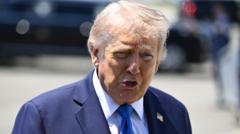
The Cancellation of US Envoys' Trip to Pakistan
In a significant development in international diplomacy, former US President Donald Trump announced the cancellation of a US delegation's trip to Pakistan, which was aimed at addressing the escalating tensions surrounding the Iran war. The decision, reportedly made abruptly, underscores the complexities of Middle Eastern geopolitics and the challenges in fostering dialogue between key regional players. According to sources familiar with the matter, the envoys, led by Steve Witkoff and Jared Kushner, were set to engage in preliminary talks that could have paved the way for broader negotiations.
The trip's cancellation comes after Iran publicly stated that it had no intentions of holding direct meetings with the US delegation. This stance from Tehran highlights the deep-seated mistrust between the two nations, exacerbated by years of sanctions, proxy conflicts, and direct military confrontations. The Iran war, which has intensified in recent years with skirmishes involving Iran's allies in the region, has drawn international attention due to its potential to disrupt global oil supplies and destabilize neighboring countries. Pakistan, positioned strategically between South Asia and the Middle East, has often served as a mediator or conduit for diplomatic efforts, making it a logical choice for such discussions.
Key Figures Involved
Steve Witkoff, a prominent businessman and advisor with ties to Trump's inner circle, and Jared Kushner, known for his role in previous US administrations' Middle East policies, were at the forefront of this diplomatic initiative. Witkoff's involvement suggests a blend of economic and security interests, given his background in real estate and international investments, while Kushner's experience in brokering deals like the Abraham Accords adds a layer of strategic depth. Their planned visit to Pakistan was seen as an attempt to leverage Islamabad's relationships with both Tehran and Washington to de-escalate the conflict.
However, Iran's dismissal of any direct engagement indicates a hardening of positions. Iranian officials have repeatedly emphasized that any discussions must address what they view as unjust US sanctions and interference in their regional alliances. This cancellation not only disrupts potential backchannel communications but also raises questions about the efficacy of using private envoys in high-stakes diplomacy, especially in 2026, when formal channels have been strained by ongoing global tensions.
Implications for US-Pakistan Relations and the Iran Conflict
The abrupt halt to the envoys' trip could strain US-Pakistan ties, which have historically been marked by cooperation in counterterrorism efforts but also by periods of friction over issues like Afghanistan and regional security. Pakistan, facing its own internal challenges including economic instability and border security concerns, might view this as a missed opportunity for gaining leverage in international forums. For the US, the cancellation represents a setback in efforts to contain the Iran war, which has seen proxy battles in Syria, Yemen, and other hotspots, potentially drawing in global powers and leading to broader instability.
In the context of 2026, this event reflects the evolving dynamics of the Iran war, which began escalating in the early 2020s with Iran's nuclear advancements and retaliatory strikes. The conflict has involved not only direct military actions but also cyber warfare and economic pressures, affecting global markets. By canceling the trip, Trump—whose influence in US politics remains significant even outside formal office—may be signaling a more isolationist or confrontational approach, reminiscent of his earlier tenure. This could embolden Iran's hardliners, who might interpret it as a sign of US weakness or disinterest in negotiation, potentially leading to further escalations.
Experts suggest that this development could prompt other nations, such as China or Russia, to step in as mediators, further complicating the geopolitical landscape. For instance, China's growing ties with both Pakistan and Iran through initiatives like the Belt and Road could position it as a key player, altering the balance of power in the region. Meanwhile, European allies might push for renewed diplomatic efforts through the United Nations, emphasizing the need for multilateral approaches to avoid a full-scale war.
Broader Context and Potential Outcomes
- Economic Ramifications: The Iran war has already driven up oil prices, and any escalation could lead to further economic turbulence, impacting global inflation and trade routes through the Strait of Hormuz.
- Regional Stability: Pakistan's role as a nuclear-armed state with influence over Afghanistan adds urgency to maintaining stable relations with the US, as instability could spill over into South Asia.
- Diplomatic Pathways: While direct talks are off the table, indirect channels through neutral parties might still be explored, though the cancellation dims immediate prospects.
In summary, Trump's decision to cancel the US envoys' trip to Pakistan marks a pivotal moment in the ongoing efforts to address the Iran war, highlighting the fragility of international diplomacy in 2026. As tensions persist, the global community watches closely for any signs of de-escalation or further confrontation.