Turkey Arrests 83 for Online Praise of School Shootings
Overview of the Arrests and Incidents
In a decisive response to rising concerns over online extremism, Turkish police announced on April 16, 2026, the ordering of arrests for 83 people accused of praising school shootings that occurred in southern Turkey. This action comes in the wake of two violent incidents at educational institutions, highlighting the government's efforts to curb digital incitement amid growing public safety challenges.
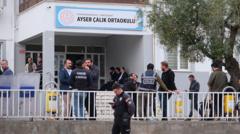
The primary trigger for these arrests was the online activity linked to a school shooting on Wednesday, April 15, 2026, in southern Turkey, where at least nine individuals were killed. The day prior, on Tuesday, April 14, 2026, another attack at a high school resulted in 16 people being injured. Authorities have described these events as isolated but connected through social media rhetoric, prompting a swift crackdown on individuals who expressed support or admiration for the perpetrators online.
Detailed Breakdown of the Events
The Wednesday incident involved an assailant entering a school premises in southern Turkey, resulting in the tragic loss of at least nine lives. Reports from the scene indicate that the attack was carried out with firearms, targeting students and staff in what has been labeled as a premeditated act of violence. Emergency services responded quickly, but the aftermath left the community in shock, with local officials condemning the act as an assault on the nation's youth and educational values.
Preceding this, the Tuesday attack at a high school saw 16 individuals injured, though specific details on the nature of the assault remain limited to official statements. This event, occurring just one day earlier, amplified fears of a potential pattern of violence in educational settings, leading to heightened security measures across schools nationwide. Turkish law enforcement agencies, including the national police, initiated investigations immediately, focusing on both the physical attacks and the digital footprints that followed.
In response to online praise for these shootings, Turkish authorities identified and targeted 83 individuals through monitored social media platforms. These individuals are accused of posting content that glorified the attackers, shared manifestos, or encouraged similar acts, violating Turkish laws against incitement to violence and hate speech. The arrests were executed based on digital evidence gathered by cyber units, underscoring the role of technology in modern law enforcement strategies.
Implications of the Police Action
The arrests signal a broader implications for freedom of expression versus public safety in Turkey. By targeting online praise, the government is reinforcing its stance on digital regulation, potentially setting precedents for how social media is policed in the country. This could lead to increased scrutiny of online platforms, with tech companies facing pressure to cooperate with authorities in monitoring and removing harmful content. Experts suggest that such measures might deter future incidents by creating a deterrent effect, but they also raise concerns about overreach and the chilling effect on free speech.
From a societal perspective, these events highlight the growing mental health and security challenges in Turkey's educational system. The shootings have prompted calls for enhanced school security protocols, including armed guards, metal detectors, and psychological support programs for students. Additionally, the government's response could influence international perceptions of Turkey's human rights record, particularly in how it balances security with civil liberties. Human rights organizations have already voiced concerns that the arrests might include individuals exercising legitimate forms of protest or discussion, though official statements maintain that the actions are targeted and evidence-based.
Context Within Turkey's Security Landscape
Turkey has faced a series of security threats in recent years, including terrorism and internal conflicts, which have shaped its approach to public safety. The 2026 school shootings occur against this backdrop, where the government has increasingly utilized digital surveillance to maintain order. This incident reflects a pattern of responses to violence, such as previous crackdowns on social media users following other attacks, emphasizing a zero-tolerance policy toward any form of endorsement.
In the context of 2026, these events underscore the evolving nature of threats in a digital age, where online radicalization can fuel real-world violence. Turkish officials have pointed to global trends, such as similar incidents in other countries, to justify their proactive measures. However, this has sparked debates on the effectiveness of such strategies, with some arguing that addressing root causes like socioeconomic disparities and access to mental health services is crucial for long-term prevention.
As investigations continue, the outcomes of these arrests could influence future policies on internet governance and education safety in Turkey. The incidents serve as a stark reminder of the vulnerabilities in society, prompting a national dialogue on protecting the younger generation from both physical and ideological harms.
- Key facts: 83 arrests ordered for online praise.
- Wednesday shooting: At least nine killed in southern Turkey.
- Tuesday attack: 16 injured at a high school.
- Broader implications: Potential reforms in social media regulation and school security.