Under-strength New Zealand Leads as Bangladesh Returns to T20Is
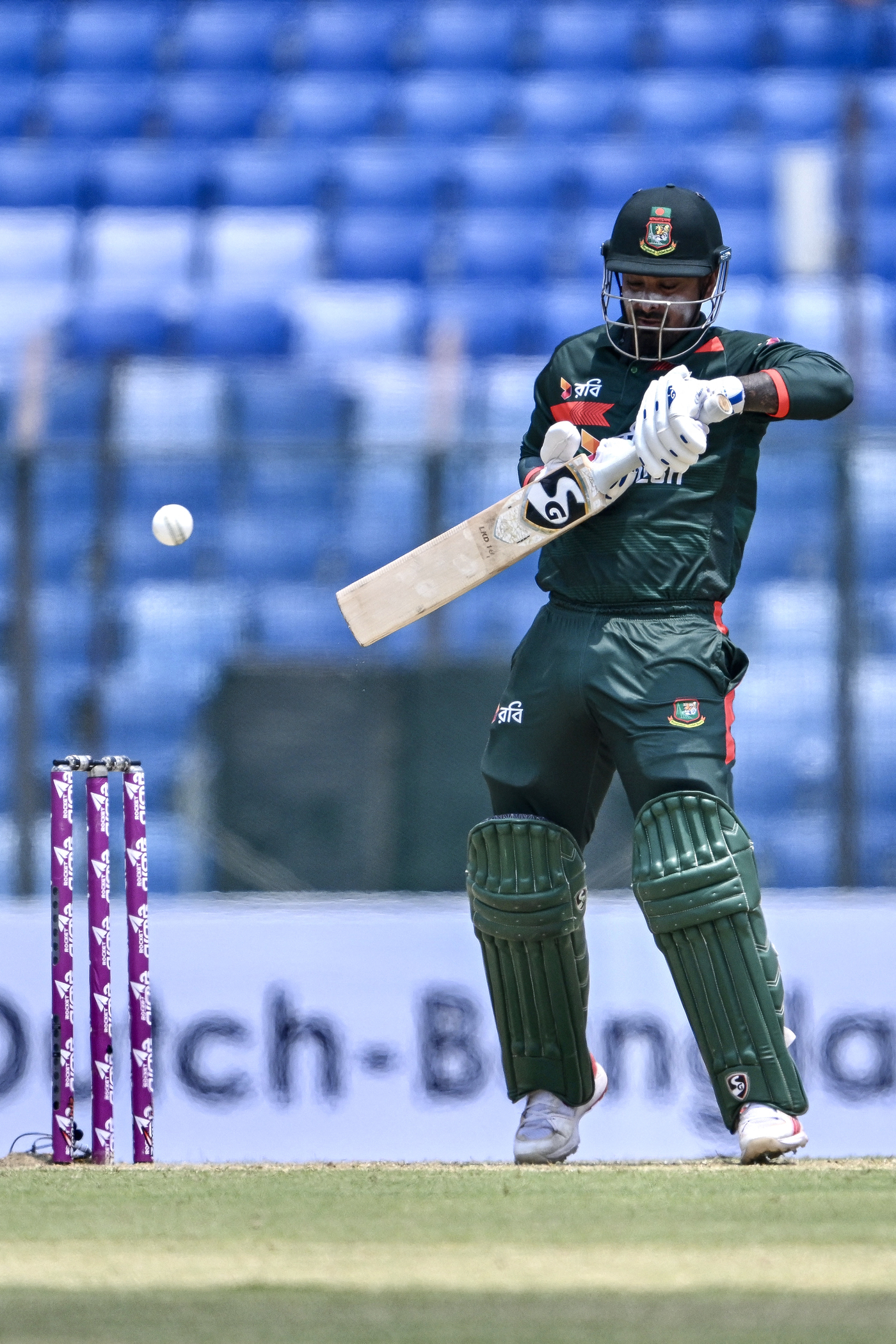
In the ever-competitive world of international cricket, the T20I series between New Zealand and Bangladesh has kicked off with an intriguing twist, as New Zealand enters the fray with a significantly weakened lineup. Set against the backdrop of April 2026, this series highlights the challenges of overlapping global tournaments, with many of New Zealand's star players committed to the Indian Premier League (IPL) and the Pakistan Super League (PSL). This leaves the Black Caps relying on fringe players and emerging talents, potentially altering the dynamics of what could have been a more evenly matched contest.
The Context of Overlapping Schedules
Cricket's packed calendar has long been a point of contention, and 2026 is no exception. The IPL, known for its glitz and high stakes, draws top talent from around the world, including New Zealand's key figures like Kane Williamson, Trent Boult, and Glenn Phillips, who are currently showcasing their skills in India. Similarly, the PSL in Pakistan has lured players such as Lockie Ferguson, prioritizing lucrative franchise contracts over national duties. This exodus has forced New Zealand Cricket to assemble a squad that barely resembles their usual powerhouse, with only a handful of first-team regulars available. The result is a team that, while spirited, lacks the depth and experience that has defined New Zealand's success in recent years.
For Bangladesh, this series marks a significant return to T20 Internationals after a brief hiatus, allowing them to rebuild momentum following their focus on Test and ODI formats. Under the guidance of captain Najmul Hossain Shanto, the Tigers are eager to capitalize on New Zealand's vulnerabilities. Bangladesh's preparation has been meticulous, with domestic tournaments and internal camps ensuring their players are match-ready. This contrast in team readiness adds an layer of excitement, as the hosts aim to exploit any inexperience in the New Zealand ranks.
Breakdown of the New Zealand Squad
New Zealand's squad for this series is a testament to the depth of their domestic cricket system, featuring uncapped players and those on the periphery of the national side. Leading the charge is stand-in captain Tom Blundell, who steps in for the absent Williamson. The batting lineup includes promising youngsters like Rachin Ravindra and Finn Allen, who have shown flashes of brilliance in shorter formats but now face the pressure of international scrutiny. On the bowling front, the pace attack is led by the reliable Tim Southee, one of the few senior players available, supported by emerging quicks such as Ben Sears and Jacob Duffy.
- Key absences: Kane Williamson (IPL), Trent Boult (IPL), and Lockie Ferguson (PSL), depriving the team of proven match-winners.
- Emerging stars: Players like Ravindra and Allen get a golden opportunity to stake their claim for future selections.
- Potential weaknesses: The lack of spin options, with Mitchell Santner also unavailable, could be exploited on subcontinental pitches.
In contrast, Bangladesh boasts a more settled unit, with veterans like Shakib Al Hasan and Mushfiqur Rahim anchoring the side. Their recent performances in bilateral series have been encouraging, and this series serves as a crucial stepping stone towards the T20 World Cup later in the year. The Tigers' strategy will likely revolve around their spin-heavy attack, featuring players like Mahedi Hasan and Taijul Islam, who thrive in home conditions.
Implications for Both Teams
This series holds substantial implications for both nations. For New Zealand, it's an opportunity to blood new talent and maintain their competitive edge despite the absences. A strong performance could solidify the roles of younger players, ensuring a smooth transition as the team looks ahead to major tournaments. However, a poor result might raise questions about the prioritization of franchise leagues over international commitments, sparking debates within cricket boards worldwide.
Bangladesh, on the other hand, stands to gain significantly from a series win. It would boost their confidence, improve their ICC T20I rankings, and provide valuable experience for their core group. With eyes on the global stage, a victory against a traditionally strong opponent like New Zealand would be a morale booster and a statement of intent. The series also underscores the growing competitiveness of Associate and emerging nations, as Bangladesh continues to close the gap with the cricketing elite.
As the matches unfold, fans can expect thrilling encounters, with New Zealand's adaptability being tested against Bangladesh's home advantage. The series not only highlights the challenges of modern cricket scheduling but also celebrates the spirit of the game, where underdogs often rise to the occasion.
Looking Ahead
In conclusion, this T20I series in 2026 exemplifies the evolving landscape of international cricket, where player availability and strategic depth play pivotal roles. As New Zealand navigates their under-strength predicament and Bangladesh seizes their return, the outcomes will likely influence team selections and preparations for future events. Cricket enthusiasts worldwide will be watching closely, eager to see how these dynamics shape the series' narrative.
This article is based on factual reporting from:
www.espncricinfo.com — Original Report ↗