Unlocking Daily Fitness Protocols for Better Health in 2026
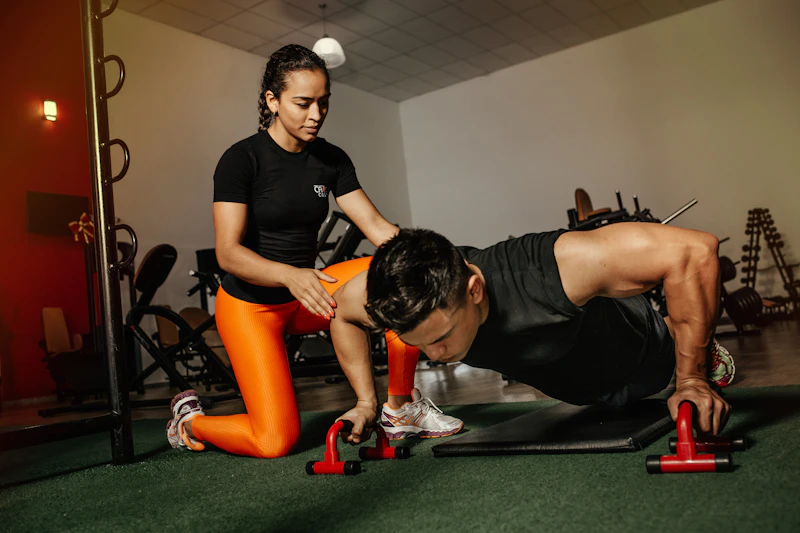
The Rise of Daily Fitness Protocols as a Wellness Essential
As we navigate the fast-paced world of 2026, daily fitness protocols have emerged as a cornerstone of modern health strategies, offering practical ways for individuals to stay active amidst busy schedules. Drawing from expert advice, these routines focus on integrating short, manageable exercises into daily life, helping people build sustainable habits that boost physical and mental health. This trend isn't just about hitting the gym; it's about making wellness accessible to everyone, from office workers to parents juggling multiple roles.
At the heart of this movement is the idea that consistency trumps intensity. Health professionals recommend starting with just 10-15 minutes of activity each day, such as brisk walking, bodyweight squats, or yoga stretches. These micro-sessions can significantly reduce the risk of chronic conditions like heart disease and diabetes, which continue to rise in our increasingly digital society. By 2026, with more people working hybrid schedules, experts note that incorporating movement breaks can alleviate the toll of prolonged sitting, improving circulation and energy levels throughout the day.
Why Daily Protocols Matter in Today's World
The implications of adopting daily fitness protocols extend far beyond physical fitness. Research from leading health organizations highlights how regular, bite-sized exercises can enhance mental clarity, reduce stress, and even improve sleep quality. For instance, a routine that includes mindfulness-based activities like deep breathing or light meditation can help individuals manage the pressures of modern life, fostering a sense of balance and resilience. In 2026, as global wellness reports indicate a surge in mental health concerns, these protocols serve as a proactive tool for prevention.
Contextually, this trend builds on years of evolving fitness advice, adapting to societal shifts such as remote work and urban living. Experts suggest tailoring protocols to personal needs—whether it's a quick home workout for city dwellers or outdoor activities for those in suburban areas. The beauty of this approach lies in its flexibility; it's not a one-size-fits-all solution but a customizable framework that empowers people to take charge of their health.
A Breakdown of Effective Daily Routines
To make this practical, let's break down a sample daily fitness protocol recommended by wellness coaches. Start your day with a five-minute warm-up, such as arm circles and leg swings, to get the blood flowing. Follow this with 10 minutes of core-strengthening exercises, like planks or bicycle crunches, which target the abdominal muscles and improve posture—a common issue in 2026's desk-bound era.
- Morning Boost: Engage in light cardio, such as jumping jacks or a short jog, to elevate your heart rate and set a positive tone.
- Midday Recharge: Take a 10-minute walk during lunch breaks to combat afternoon slumps, incorporating intervals of faster pacing for added intensity.
- Evening Wind-Down: End the day with flexibility exercises, like gentle yoga poses or stretching routines, to promote relaxation and prepare for restful sleep.
- Tracking Progress: Use a simple journal or app to monitor your activities, ensuring you stay motivated by noting improvements in energy and mood.
This structured yet adaptable routine can lead to measurable health benefits, including weight management and stronger immune function. In 2026, with advancements in wearable technology subtly supporting these efforts, individuals report feeling more connected to their bodies, fostering a holistic sense of well-being.
The Broader Implications for Society
On a larger scale, the adoption of daily fitness protocols could transform public health outcomes. Governments and communities are increasingly promoting these routines through workplace programs and community events, aiming to reduce healthcare costs associated with inactivity. For example, in urban centers, public parks are hosting free fitness classes, making it easier for diverse populations to participate. This democratization of health advice underscores a shift towards inclusive wellness, where everyone, regardless of background, can access tools for a healthier life.
As we look ahead, the long-term context of this trend reveals its potential to inspire generational change. Parents incorporating these protocols into family routines are raising children who view exercise as a natural part of life, potentially curbing the rise of obesity in younger demographics. Experts emphasize that the key to success is consistency and enjoyment, turning what might feel like a chore into a rewarding habit.
In conclusion, embracing daily fitness protocols in 2026 offers a straightforward path to improved health, blending science-backed advice with everyday practicality. By making small, intentional changes, individuals can unlock greater vitality and resilience, paving the way for a healthier future for all.