US-Iran Deal Reports Spark Market Rally
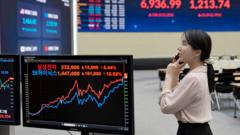
In a development that has captivated global financial markets, reports emerged on Wednesday indicating that the United States and Iran may have reached an agreement to de-escalate their longstanding conflict. This news comes amid heightened tensions that have defined international relations in recent years, with the potential deal acting as a catalyst for immediate economic shifts. Oil prices, which had been volatile due to the uncertainty surrounding the conflict, plummeted as investors anticipated a reduction in supply risks, while stock markets worldwide responded with gains, reflecting renewed optimism in global stability.
Background of the Escalation
The reports of a US-Iran deal follow a period of intense diplomatic and military posturing that began escalating in early 2026. For months, skirmishes in the Middle East had raised concerns about potential disruptions to oil supplies, a critical factor in global energy markets. Iran, a major oil producer, has been at odds with the US over sanctions, nuclear ambitions, and regional influence, leading to a series of proxy conflicts and direct confrontations. Analysts point to recent high-level talks, possibly mediated by international bodies, as the turning point that fueled these latest reports.
According to sources familiar with the discussions, the proposed agreement includes commitments from Iran to curb its nuclear program and reduce support for regional militias, in exchange for eased US sanctions and a pathway to normalized relations. While official details remain scarce, the mere suggestion of progress has been enough to shift market sentiments. This escalation had previously driven oil prices to multi-year highs, with Brent crude reaching over $100 per barrel earlier this week, underscoring the fragility of global energy dynamics in 2026.
Market Reactions and Immediate Impacts
The financial markets reacted swiftly to the news, with oil futures dropping more than 5% in early trading sessions. This decline was mirrored by gains in major stock indices, including a 2% rise in the Dow Jones Industrial Average and similar increases in European and Asian markets. Investors, who had been bracing for prolonged instability, interpreted the reports as a signal that the risk premium associated with the Iran conflict was diminishing.
Experts attribute this market behavior to the interconnected nature of global economies in 2026, where geopolitical events directly influence commodity prices and investor confidence. For instance, energy-dependent sectors such as transportation and manufacturing saw immediate benefits, as lower oil prices could translate to reduced operational costs. Conversely, oil-producing nations and companies faced short-term losses, with shares of major firms like ExxonMobil and Saudi Aramco dipping in response to the price drop.
- Key market indicators: Oil prices fell to $90 per barrel, down from recent peaks, while the S&P 500 index climbed by 1.8%.
- Investor sentiment: Surveys from firms like Bloomberg indicated a shift from "risk-off" to "risk-on" strategies, driven by the prospect of de-escalation.
- Global ripple effects: Emerging markets, particularly in Asia, experienced rallies as currencies strengthened against the dollar.
Implications for International Relations and Economy
The potential end to the Iran conflict holds broader implications for international diplomacy and economic stability in 2026. If finalized, the deal could mark a significant pivot in US foreign policy, especially under the current administration's focus on reducing Middle Eastern entanglements. This shift might encourage other nations to pursue similar diplomatic resolutions, potentially easing tensions in regions like the South China Sea or Eastern Europe.
Economically, the agreement could lead to increased oil production from Iran, adding to global supplies and helping to combat inflation that has plagued many countries. However, skeptics warn that any deal might face domestic opposition in both the US and Iran, where hardliners could derail progress. In the US, congressional debates over sanction relief could complicate matters, while in Iran, public sentiment shaped by years of isolation might resist concessions.
Furthermore, the environmental angle cannot be overlooked; a more stable Middle East could facilitate greater investment in renewable energy transitions, as resources currently tied to conflict resolution become available for sustainable initiatives. Analysts from institutions like the International Energy Agency predict that sustained peace could lower global energy costs by up to 10% in the coming years, benefiting consumers worldwide.
Context and Future Outlook
Looking ahead, the reports of a US-Iran deal underscore the evolving landscape of 21st-century geopolitics, where economic interdependence often overrides ideological differences. As the world grapples with challenges like climate change and supply chain disruptions, such agreements could serve as models for conflict resolution. While the full details of the negotiations remain under wraps, the market's positive response highlights the high stakes involved.
In summary, this development represents a pivotal moment in international affairs, potentially ushering in an era of reduced volatility and enhanced cooperation. As stakeholders monitor the situation closely, the global community remains hopeful that these reports will translate into a lasting peace, stabilizing economies and fostering prosperity across borders.