US National Tests Positive for Hantavirus on Repatriation Flight
The Incident and Initial Response
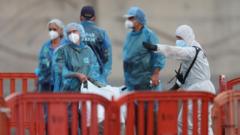
In a development highlighting ongoing global health challenges, a US national who was part of a repatriation flight has tested positive for hantavirus, as reported by the US health department. This case involves one of 17 Americans who were flown back to the United States, with the individual exhibiting mild symptoms. The flight, which brought these citizens home, underscores the complexities of international travel and health screenings in 2026, amid heightened vigilance for infectious diseases.
Hantavirus, a viral infection typically transmitted through contact with infected rodents or their waste, can lead to severe respiratory issues in some cases, though this particular instance has been described as mild. The US health department confirmed the positive test results, stating that the affected individual is under medical observation. Repatriation flights, often organized in response to emergencies such as natural disasters, political unrest, or health crises abroad, have become more scrutinized in recent years due to the potential for disease transmission.
Detailed Breakdown of the Event
The repatriation flight in question involved 17 US citizens, with this being the second reported case of mild symptoms among them, according to official statements. The US health department emphasized that protocols were followed, including pre-flight screenings and post-arrival testing, to mitigate risks. While specific details about the flight's origin remain undisclosed, such operations are common for Americans stranded in regions with limited healthcare infrastructure or during outbreaks.
Health officials have not released the exact timeline of the infection, but they noted that the individual is stable and receiving appropriate care. This incident serves as a reminder of hantavirus's persistence, particularly in rural or wilderness areas where rodent populations are prevalent. In 2026, advancements in rapid diagnostic tools have improved detection rates, allowing for quicker isolation and treatment, which likely contributed to the early identification in this case.
Implications for Public Health and Travel
The positive test raises questions about the broader implications for public health protocols in the US and internationally. With global travel resuming at high volumes in 2026, despite lingering pandemic-era precautions, incidents like this highlight the need for robust screening measures. The US health department has reiterated its commitment to contact tracing and monitoring for anyone who may have been exposed during the flight, aiming to prevent any potential community spread.
Experts suggest that this case could prompt a review of repatriation procedures, potentially leading to enhanced mandatory health checks or quarantines for returning citizens. In the context of 2026, where climate change has expanded the geographical range of certain viruses, including hantavirus, there is growing concern about zoonotic diseases crossing borders. This event may influence policy discussions at the federal level, emphasizing the integration of health security into travel advisories.
Context of Hantavirus and Repatriation Efforts
Hantavirus, first identified in the 1990s, remains a rare but serious threat, with outbreaks occasionally linked to environmental factors such as flooding or human encroachment into rodent habitats. In the US, cases are most commonly reported in the western states, but global travel can introduce the virus to new areas. Repatriation flights, coordinated by entities like the State Department, have evolved since the early 2020s to include health safeguards, such as partnerships with the Centers for Disease Control and Prevention (CDC).
In 2026, these efforts are part of a larger framework for global health diplomacy, where the US collaborates with international organizations to ensure safe returns for its citizens. This incident, while isolated, adds to the narrative of ongoing vigilance required in a post-pandemic world. The US health department's transparency in this matter demonstrates a commitment to public awareness, encouraging individuals to report symptoms promptly.
As investigations continue, the focus remains on supporting the affected individual and safeguarding public health. This case illustrates the delicate balance between facilitating international mobility and protecting against infectious diseases, a challenge that persists in 2026.
Broader Context and Expert Insights
Experts in infectious diseases have pointed out that mild symptoms, as seen here, often allow for better outcomes with timely intervention. Symptoms typically include fever, fatigue, and muscle aches, progressing in severe cases to hantavirus pulmonary syndrome. The US health department's rapid response in this scenario aligns with updated guidelines from 2025, which mandate enhanced surveillance for returning travelers.
In the evolving landscape of global health, this event could serve as a case study for improving protocols, potentially influencing how future repatriations are handled. While no widespread outbreak has been reported from this flight, it underscores the importance of preparedness and international cooperation. The US continues to lead in health monitoring, with resources allocated to track and respond to such threats effectively.
- Key facts: 17 Americans repatriated, one positive case, mild symptoms reported.
- Potential impacts: Review of travel health policies and increased public awareness.
- Ongoing measures: Monitoring and contact tracing by health authorities.
In conclusion, this hantavirus case on a repatriation flight highlights the enduring risks of infectious diseases in an interconnected world. As the US health department manages the situation, it reinforces the need for sustained vigilance and adaptive strategies to protect public health in 2026.