US Pauses Strait of Hormuz Operation as Iran Deal Advances
The Announcement and Its Immediate Context
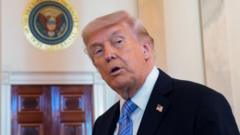
Washington, DC – On Wednesday, May 6, 2026, US President Donald Trump declared that the United States would suspend 'Project Freedom,' an operation initiated less than 48 hours prior to ensure safe passage for vessels through the strategically vital Strait of Hormuz. This decision comes amid reports of advancing talks between the US and Iran, potentially marking a pivotal moment in Middle Eastern diplomacy. Trump, in a statement from the White House, emphasized that the pause reflects 'substantial progress' toward a broader agreement, though specifics of the negotiations remain undisclosed.
The Strait of Hormuz, a narrow waterway between the Persian Gulf and the Gulf of Oman, is one of the world's most critical chokepoints for global oil shipments, with approximately 20-30% of the world's traded oil passing through it daily. 'Project Freedom' was launched in response to heightened tensions in the region, including recent incidents of harassment and attacks on commercial shipping attributed to Iranian-backed forces. The operation involved US naval assets providing escorts and guidance to allied and commercial vessels, aiming to deter potential threats and maintain freedom of navigation.
Breakdown of the Event
Trump's announcement was made via a brief address to the press, where he stated that the operation's suspension would allow diplomatic efforts to take precedence. 'We've seen real movement in our discussions with Iran, and it's in everyone's interest to de-escalate,' Trump said, without elaborating on the details of the alleged progress. Sources close to the administration, speaking on condition of anonymity, indicated that the talks involve high-level intermediaries and cover issues such as nuclear sanctions relief and regional security guarantees.
This development follows a series of escalatory actions in the region. In late April 2026, Iranian naval patrols reportedly intercepted and boarded a commercial tanker in the strait, prompting swift condemnation from the US and its allies. In response, the Pentagon activated 'Project Freedom' on Monday, May 4, deploying additional destroyers and reconnaissance aircraft to the area. The operation was framed as a defensive measure to protect international shipping lanes, but it also raised concerns about the potential for direct confrontation with Iranian forces.
Experts suggest that the pause could signal a thawing in US-Iran relations, which have been strained since the US withdrawal from the 2015 Joint Comprehensive Plan of Action (JCPOA) in 2018. Under Trump's administration, renewed sanctions and military posturing have characterized the bilateral dynamic, but recent economic pressures on Iran—exacerbated by global energy market fluctuations—may have incentivized dialogue. Analysts point to indirect channels, possibly involving Oman or Qatar as mediators, as key to these advancements.
Implications for Regional Stability and Global Trade
The decision to halt 'Project Freedom' carries wide-ranging implications for international security and commerce. By stepping back from active patrols, the US risks emboldening Iranian assertiveness in the strait, potentially leading to higher insurance costs for shipping companies and disruptions in oil supplies. However, if successful, the underlying deal could foster long-term stability, reducing the frequency of incidents that have plagued the region since 2019.
In the broader context, this move aligns with Trump's foreign policy approach of using leverage to negotiate from a position of strength. Critics argue that such tactics have historically led to volatility, as seen in previous withdrawals from international agreements. Supporters, on the other hand, view it as pragmatic diplomacy that prioritizes American interests without committing to prolonged military engagements.
Reactions from key stakeholders have been mixed. European allies, including the UK and France, welcomed the pause as a step toward de-escalation but urged caution to ensure that any agreement upholds global non-proliferation standards. Iran’s Foreign Ministry issued a statement acknowledging the US gesture but emphasized that true progress requires the lifting of sanctions. Meanwhile, oil markets saw a slight dip in prices following the announcement, as traders speculated on reduced risks of conflict.
- Key factors driving the decision: Progress in US-Iran talks, recent regional incidents, and global calls for de-escalation.
- Potential outcomes: A formal agreement could ease tensions, but failure might lead to renewed operations or escalation.
- Broader impact: This event underscores the delicate balance of power in the Middle East, where economic and security interests intersect.
Context Within US Foreign Policy
Historically, the US has maintained a strong naval presence in the Persian Gulf to safeguard its interests and those of its allies. The Strait of Hormuz has been a flashpoint since the Iran-Iraq War in the 1980s, with incidents like the Tanker War highlighting its vulnerability. In 2026, amid shifting global alliances and the rise of alternative energy sources, the US strategy appears to be evolving toward negotiation over confrontation, possibly influenced by domestic pressures to reduce military expenditures.
As the situation unfolds, the international community will closely monitor developments, with the potential for a landmark deal that could reshape Middle Eastern geopolitics. This pause in operations represents a calculated risk, betting on diplomacy to achieve what force could not.