U.S. Senators Ban Themselves from Prediction Markets
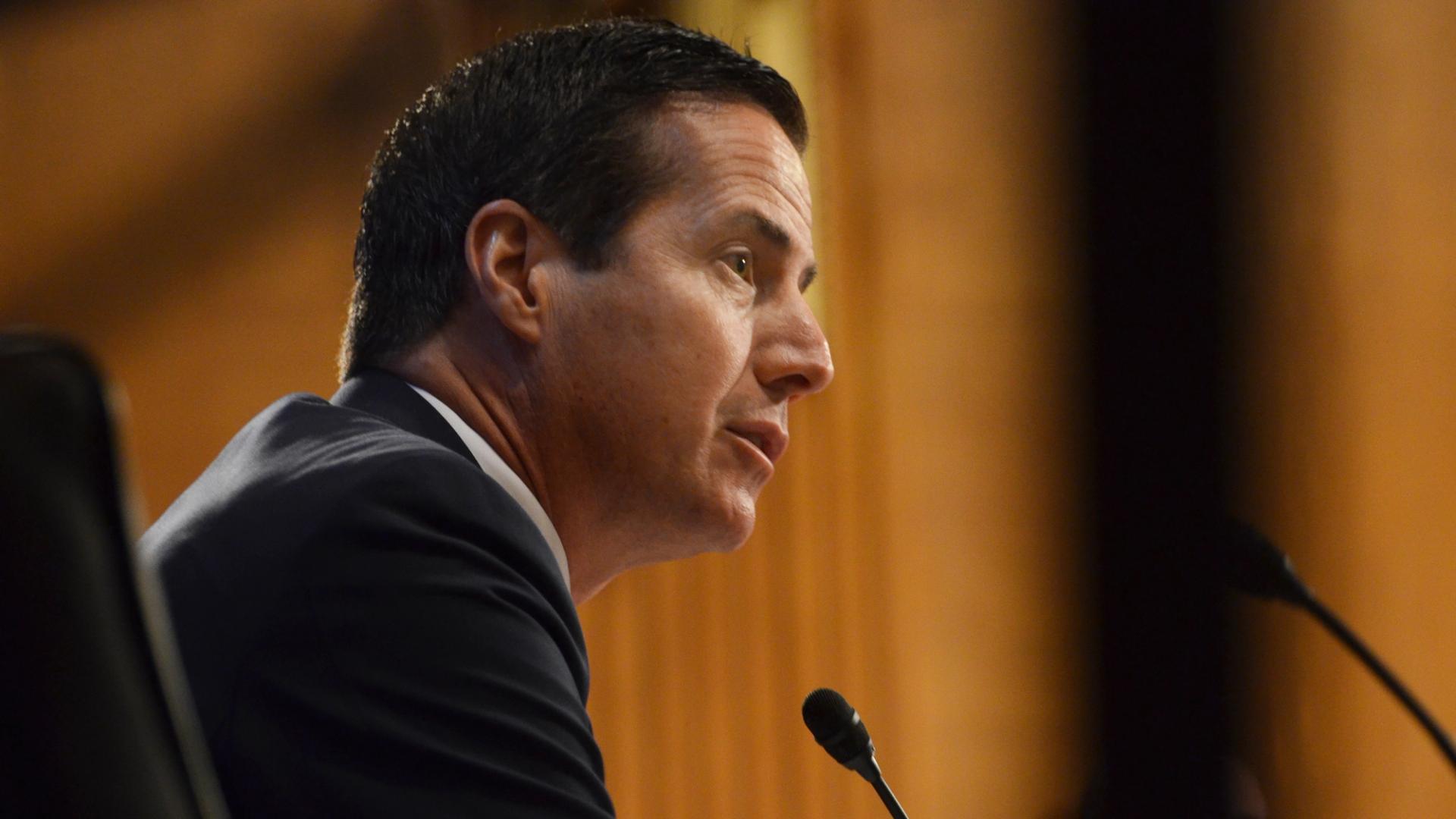
On April 30, 2026, the U.S. Senate made a significant move to address potential ethical concerns by unanimously agreeing to ban its members and their staffs from engaging in bets on prediction markets. This decision comes as part of an effort to maintain the integrity of legislative processes and prevent any perceived influence from speculative betting platforms. Prediction markets, which allow users to wager on the outcomes of real-world events, have grown in popularity within the crypto and blockchain sectors, raising questions about their impact on governance and policy-making.
Details of the Ban
The Senate's revision to its rules explicitly prohibits senators and their staff from placing wagers on prediction markets platforms. According to the announcement, this measure was prompted by increasing scrutiny over how such markets could indirectly sway political decisions. The rule change was passed without opposition, indicating a rare moment of bipartisan consensus in an otherwise divided chamber. Senate leaders emphasized that the ban is intended to uphold public trust and ensure that lawmakers' decisions are not influenced by personal financial interests tied to market outcomes.
Prediction markets operate on blockchain technology, where participants buy and sell shares based on the predicted probability of events, such as election results or policy changes. These platforms have seen explosive growth in recent years, with billions in crypto assets flowing into them. However, critics argue that they could create conflicts, especially if politicians or their associates stand to profit from accurate predictions related to their own work. The Senate's action specifically targets these platforms, which are often decentralized and powered by cryptocurrencies, making them harder to regulate than traditional financial markets.
Implications for Politics and Crypto
This self-imposed ban could set a precedent for other government bodies, potentially leading to broader regulations on prediction markets at both state and federal levels. By stepping back from these platforms, senators are signaling a commitment to ethical governance, which might encourage similar restrictions in other industries influenced by crypto innovations. For the crypto community, this development highlights the ongoing tension between technological advancement and regulatory oversight, as prediction markets have become a staple for hedging risks and gathering insights on future events.
The ban may also impact the popularity of prediction markets among political insiders, who have been known to use them for informal polling or strategic planning. Without participation from key figures in Washington, these platforms could see reduced liquidity or altered dynamics, particularly for bets related to U.S. policy. This could drive innovation toward more anonymous or offshore alternatives, further complicating efforts to monitor and regulate the space. Additionally, the move underscores the evolving relationship between blockchain technology and democracy, as lawmakers grapple with how to balance innovation with accountability.
Context Within the Crypto Landscape
In the broader context of 2026, prediction markets have emerged as a powerful tool in the crypto ecosystem, often integrated with decentralized finance (DeFi) protocols to offer users real-time betting on global events. Their rise has been fueled by advancements in smart contracts and oracle systems, which provide transparent and tamper-proof mechanisms for resolving bets. However, this growth has not been without controversy, as regulators worldwide have expressed concerns over market manipulation and the potential for insider trading.
- One key aspect is the role of cryptocurrencies in facilitating these markets, allowing for pseudonymous transactions that bypass traditional banking systems.
- Historically, similar ethical debates arose with stock trading by lawmakers, leading to reforms like the STOCK Act in 2012, which this ban echoes.
- In 2026, with crypto assets more mainstream, the Senate's decision could influence international standards, as other nations observe U.S. regulatory approaches.
Experts in the field suggest that this ban might prompt platforms to enhance their compliance features, such as identity verification for high-stakes users, to mitigate risks associated with political involvement. It also raises questions about the future of crypto's intersection with governance, especially as blockchain technologies continue to democratize access to financial tools. While the ban does not directly target crypto exchanges or other blockchain applications, it serves as a reminder of the sector's vulnerability to political winds.
The Road Ahead
Moving forward, this policy change could inspire further legislative action on digital assets, potentially including more comprehensive reforms to address emerging risks in the prediction market space. As the crypto industry matures, such measures are likely to become more common, aiming to protect democratic institutions from undue influence. Ultimately, the Senate's unanimous vote reflects a proactive step toward ethical governance in an era defined by rapid technological change, ensuring that public service remains focused on the greater good rather than personal gain.
This article is based on factual reporting from:
www.coindesk.com — Original Report ↗