U.S. Strikes Iranian 'Shadow Network' Tankers Amid Escalation
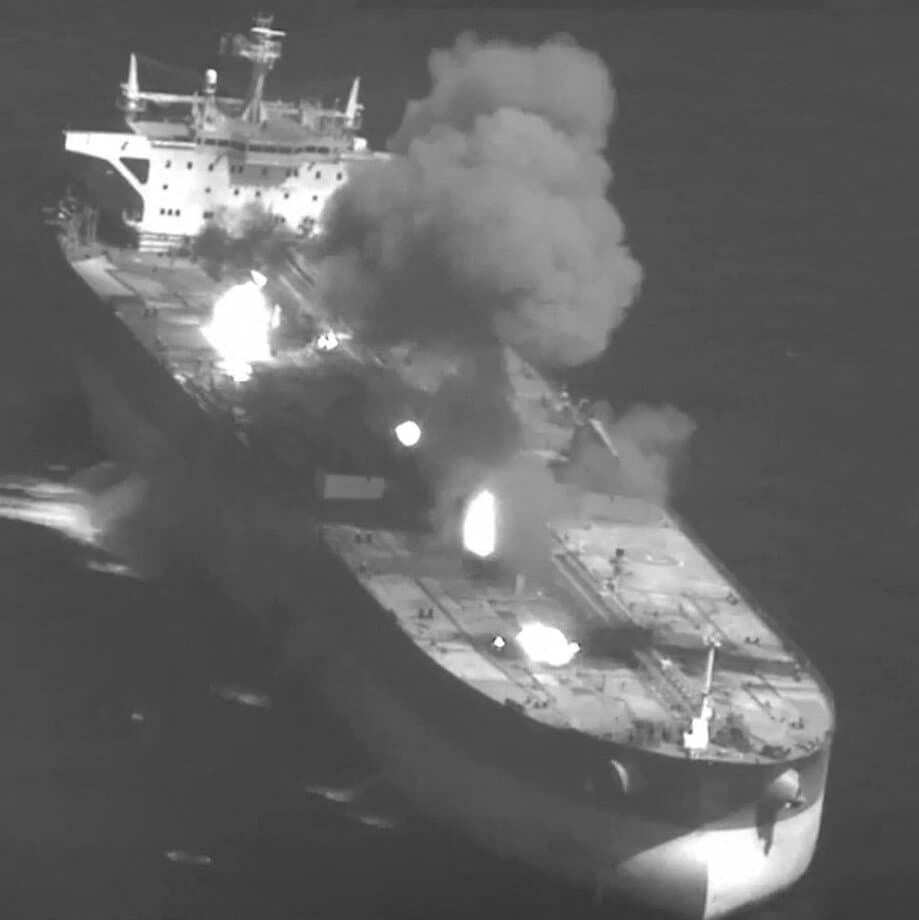
The U.S. military confirmed Saturday, September 5, 2026, that it launched retaliatory strikes against three Iranian 'shadow network' oil tankers, asserting the action came in response to recent Iranian missile attacks on two U.S. warships following weeks of intense exchanges of fire.
U.S. Military Targets Iranian Oil Tankers Following Missile Attacks
On Saturday, September 5, 2026, the United States military announced it had conducted a series of retaliatory strikes, targeting three oil tankers identified as part of an Iranian 'shadow network.' This significant military action was explicitly stated by U.S. officials as a direct response to Iran’s recent launch of missiles at two American warships. The strikes mark a severe escalation in a period already characterized by heightened tensions and sustained military exchanges between Washington and Tehran.
The U.S. military’s statement underscored the defensive nature of the operation, framing it as a necessary measure to protect its naval assets and personnel in the region. The targeting of 'shadow network' tankers suggests an intent not only to respond militarily but also to disrupt Iran’s illicit economic activities, which often involve bypassing international sanctions to fund its regional operations and military programs. Such networks are crucial for Iran's oil exports, providing a vital revenue stream outside official channels.
Context of Escalation: Weeks of Intense Fire
These latest U.S. strikes did not occur in isolation but emerged from a rapidly deteriorating security environment. According to military sources, the decision to target the Iranian tankers came just days after both sides engaged in some of their most intense exchanges of fire in weeks. This preceding period indicates a pattern of escalating skirmishes and confrontations, signaling a significant deterioration in the already fraught U.S.-Iran relationship. The specifics of these earlier engagements, while not fully detailed in the immediate announcement, painted a picture of a region on the brink, with naval and air assets frequently involved in close proximity incidents.
The Iranian missile attack on two U.S. warships represents a critical red line crossed, directly threatening sovereign American military assets. While details regarding the specific location of the missile launch or the precise identity of the warships involved were not immediately released, the act itself prompted a swift and decisive U.S. response. Targeting naval vessels is considered a severe provocation, carrying the potential for widespread casualties and significant material damage, thereby necessitating a robust counter-response to deter future aggression.
Strategic Implications of Targeting Iran's Shadow Economy
The choice to strike Iranian oil tankers, particularly those designated as part of a 'shadow network,' carries profound strategic implications. Iran relies heavily on its oil exports, and while official exports are heavily sanctioned, the 'shadow network' provides a critical lifeline for its economy. By targeting these vessels, the U.S. aims to:
- Impose Economic Pressure: Disrupting illicit oil trade directly impacts Iran’s ability to generate revenue, thereby limiting its financial capacity to support proxy groups or further its strategic objectives in the Middle East.
- Send a Clear Deterrent Message: The strikes demonstrate a willingness to escalate beyond direct military-on-military engagements, signaling that the U.S. will target assets vital to Iran's economic survival if its interests or personnel are threatened.
- Enhance Maritime Security: The Persian Gulf and its surrounding waters are critical arteries for global oil trade. Actions against 'shadow network' tankers can be framed as an effort to enforce maritime regulations and prevent illicit activities that contribute to regional instability.
The location of such operations, potentially near key Iranian oil infrastructure like Kharg Island, further underscores the strategic intent to hit Iran where it is most vulnerable economically. While the primary source does not explicitly state the location of the strikes, historical precedent suggests such operations would occur in international waters or areas where Iranian illicit shipping is known to operate.
Regional and Global Repercussions
The latest exchange of fire and the subsequent U.S. retaliatory strikes risk pushing the already volatile Middle East closer to a broader conflict. International observers are closely monitoring the situation for signs of further escalation from either side. The targeting of commercial, albeit illicit, vessels could prompt Iran to respond in kind, potentially targeting commercial shipping in the Strait of Hormuz, a critical chokepoint for global oil supplies. Such actions would undoubtedly send shockwaves through international energy markets, leading to increased oil prices and significant economic uncertainty.
Moreover, the incident places immense pressure on diplomatic efforts to de-escalate tensions and could complicate any future attempts at dialogue between Washington and Tehran. The cycle of retaliation risks becoming self-perpetuating, making it increasingly difficult for either side to back down without appearing weak. The international community will likely call for restraint and immediate de-escalation, but the immediate future remains fraught with peril, as both nations demonstrate a clear willingness to employ military force to protect their interests and respond to perceived aggressions.

Elena is an investigative journalist specializing in real-life crime dossiers, forensic mysteries, and high-profile global investigations with a focus on narrative truth.
Related Stories in World News

US Envoys Arrive in Moscow for Ukraine Talks
Senior United States envoys, Steve Witkoff and Jared Kushner, have arrived in Moscow to commence high-level discussions with Russian officials, ahead of their scheduled travel to Ukraine on Sunday for further talks aimed at addressing the ongoing conflict.
Deadly Blast Rocks Bolivian Military Barracks in Viacha
At least two individuals have been confirmed dead following a significant explosion at a military barracks in Viacha, Bolivia, on Saturday. Authorities have expressed grave concerns that the death toll is likely to increase and have issued stern warnings for the public to maintain a safe distance from the affected area due to the persistent danger of additional detonations.
Europe Faces Sabotage Surge, Germany Blames Russia for Leipzig
Germany has formally accused Russia of orchestrating an attack on Leipzig Airport, marking a significant escalation in a broader campaign of alleged sabotage targeting critical infrastructure across Europe.