Vitality Claims Back-to-Back Counter-Strike Grand Slams
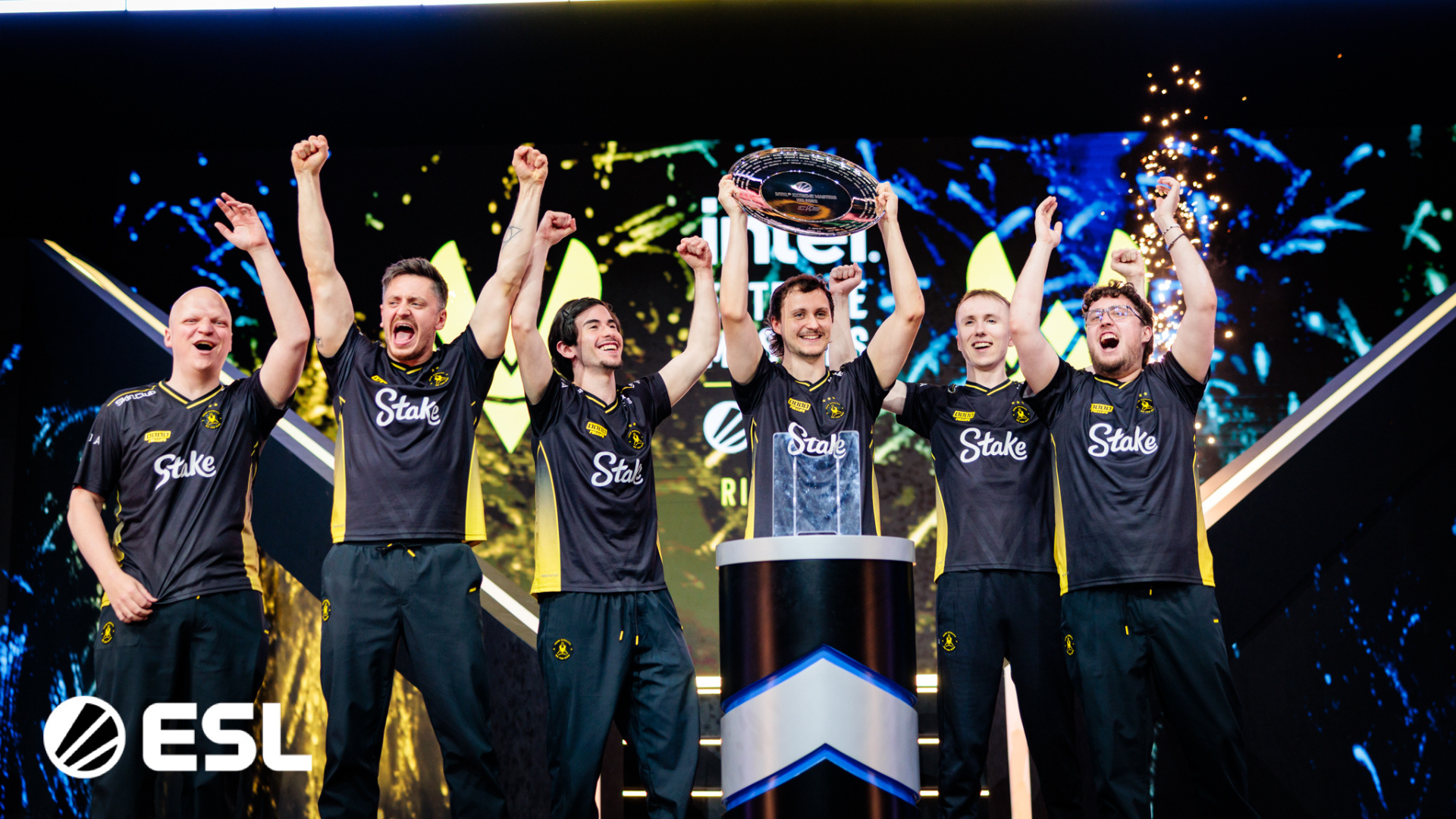
Introduction to the Historic Win
In the high-stakes world of competitive Counter-Strike, Team Vitality has etched their name into the annals of esports history. On April 20, 2026, at the Intel Extreme Masters (IEM) Rio tournament, Vitality secured a resounding victory, clinching their second Grand Slam. This achievement underscores the team's unparalleled dominance and strategic prowess in a game defined by precise execution, map control, and adaptive gameplay. The Grand Slam, a prestigious accolade awarded for winning three out of four major tournaments in a season, represents the pinnacle of success in Counter-Strike: Global Offensive's successor, Counter-Strike 2.
Breakdown of the IEM Rio 2026 Event
The IEM Rio 2026 tournament, hosted in the vibrant city of Rio de Janeiro, Brazil, featured a grueling bracket of top-tier teams from around the globe. Vitality, entering as favorites after their previous successes, faced off against elite squads in a best-of-three and best-of-five series format. The event spanned several days, with matches played on iconic maps such as Dust2, Mirage, and Nuke, where teams demonstrated mastery in bomb defusal, hostage rescue, and tactical maneuvers. Vitality's path to victory included hard-fought wins against formidable opponents, showcasing their ability to adapt to meta shifts and exploit enemy weaknesses through superior team coordination and individual skill.
Key moments from the final match highlighted Vitality's technical edge. For instance, their star players executed flawless AWP plays and coordinated smokes that disrupted the opposition's economy. The tournament's structure, with its double-elimination format, tested endurance and mental fortitude, yet Vitality maintained an impressive win rate, demonstrating advanced strategies like stack rotations and utility usage that have become hallmarks of top-tier Counter-Strike play. This win not only added to their trophy cabinet but also reinforced the importance of rigorous practice regimens and data-driven preparation in modern esports.
Context and Implications for Esports
The concept of a Grand Slam in Counter-Strike dates back to the early 2020s, evolving as a benchmark for seasonal excellence. Vitality's back-to-back achievement is unprecedented, as no team had previously managed to secure two in succession. This feat places them alongside esports legends like Astralis and FaZe Clan, who dominated in prior eras. The implications extend beyond mere accolades; it signals a shift in the competitive landscape, where sustained success requires not only raw talent but also investments in cutting-edge training facilities, psychological support, and analytics tools. For the broader esports industry, this victory could influence sponsorship deals, player valuations, and even game development, as Valve continues to update Counter-Strike 2 based on professional feedback.
From a business perspective, Vitality's win at IEM Rio 2026 is likely to boost the organization's market value. Esports organizations often see surges in merchandise sales, streaming subscriptions, and partnerships following major victories. This event also highlights the growing global appeal of Counter-Strike tournaments, with IEM Rio drawing record viewership and attendance, further solidifying esports as a mainstream spectacle. The tournament's prize pool, rumored to exceed $1 million, underscores the financial stakes involved, attracting top talent and investors alike.
Detailed Analysis of Team Performance
- Player Contributions: Vitality's roster, featuring players like ZywOo and apEX, demonstrated exceptional individual performances. ZywOo's rifling accuracy and apEX's in-game leadership were pivotal, with statistics showing higher kill-death ratios and economy control compared to rivals.
- Strategic Innovations: The team employed advanced tactics, such as mid-round executes and fake rushes, which were analyzed in post-match debriefs. These strategies, honed through hours of scrims and VOD reviews, gave Vitality a technical advantage in high-pressure situations.
- Technical Aspects: Counter-Strike's reliance on networking stability and hardware precision was evident, with IEM Rio utilizing low-latency setups to minimize lag. Vitality's preparation included optimizing their setups for the event's specific hardware, ensuring seamless gameplay.
This victory also raises questions about the future of competitive balance in Counter-Strike. As teams like Vitality set new standards, others may need to invest in similar resources to compete, potentially leading to a more homogenized meta. However, it also inspires emerging talents, proving that dedication and innovation can lead to greatness.
Broader Industry Context
In the context of 2026's esports calendar, IEM Rio serves as a precursor to events like the BLAST Premier Finals and the Major Championships. Vitality's dominance could influence upcoming rosters and transfers, with players from losing teams possibly seeking new opportunities. The esports community has reacted with a mix of admiration and analysis, with forums and social media buzzing about the strategic depth displayed. This event reaffirms Counter-Strike's status as a technically demanding esport, where microseconds matter and team synergy is paramount.
Looking ahead, Vitality's back-to-back Grand Slams may prompt discussions on rule changes or anti-monopoly measures in esports governance, ensuring fair competition. As the scene evolves, this moment will be remembered as a turning point, highlighting the intersection of technology, skill, and strategy in professional gaming. The achievement not only cements Vitality's legacy but also elevates the standards for all participants in the Counter-Strike ecosystem.