WHO Chief Reassures Tenerife on Virus-Hit Ship
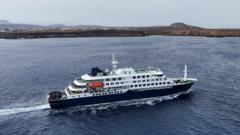
In a bid to alleviate growing concerns among Tenerife's population, World Health Organization (WHO) Director-General Tedros Adhanom Ghebreyesus addressed the island's residents directly, emphasizing that the impending docking of the MV Hondius cruise ship, which has been impacted by a viral outbreak, does not signal another global health crisis like COVID-19. This reassurance comes as the Canary Island prepares for the ship's arrival on Sunday, highlighting ongoing efforts to manage public health in a post-pandemic world.
The Context of the Reassurance
Tedros's statement was made in response to mounting anxiety on Tenerife, a popular tourist destination known for its beaches and vibrant economy driven by visitors. The MV Hondius, a cruise ship operated by Oceanwide Expeditions, has reportedly experienced an outbreak of a virus among its passengers and crew. While specific details about the virus remain limited, Tedros explicitly stated, "This is not another Covid," underscoring that the situation is contained and does not pose a widespread threat. This direct communication aims to prevent unnecessary panic and maintain public trust in health authorities.
The island of Tenerife, part of Spain's Canary Islands, has long been a hub for international tourism, welcoming millions of visitors annually. The potential for health-related disruptions could significantly impact local businesses, from hotels to restaurants, which are still recovering from the economic fallout of previous global health events. Tedros's reassurance is particularly timely, as it seeks to balance transparency with the need to protect the island's reputation as a safe destination in 2026.
Breakdown of the Event
The MV Hondius is scheduled to dock at the Port of Santa Cruz de Tenerife on Sunday, following protocols established by international health guidelines. According to Tedros, the WHO has been in close coordination with Spanish health officials and the ship's operators to ensure that all necessary precautions are in place. These measures include enhanced screening for passengers, isolation of affected individuals, and adherence to WHO-recommended hygiene and monitoring standards. The virus in question, while not detailed in public statements, has been described as manageable, with no evidence of rapid transmission beyond the ship's confines.
Tedros's address to the residents was delivered via a video message and local media outlets, where he outlined key steps being taken. He emphasized the lessons learned from past outbreaks, noting that global health systems are now better equipped to handle such incidents. This event underscores the WHO's role in global health communication, providing clear, evidence-based information to counter misinformation and fear. For Tenerife, this means continued enforcement of local health protocols, such as mandatory testing for arrivals and public awareness campaigns.
Implications for Public Health and Tourism
The arrival of the MV Hondius highlights the broader implications of viral outbreaks in enclosed environments like cruise ships, which have been vulnerable points in past health crises. In 2026, with travel rebounding from earlier disruptions, such incidents serve as a reminder of the need for vigilance. Tedros's reassurance could help mitigate economic fallout by encouraging tourists to continue visiting Tenerife, where the local government has invested in robust health infrastructure, including rapid response teams and vaccination programs.
From a public health perspective, this event illustrates the evolution of global strategies since the COVID-19 pandemic. Authorities are now prioritizing rapid response and communication, as seen in the WHO's proactive engagement. For the residents of Tenerife, this means potential short-term disruptions, such as increased security at ports and possible quarantines for affected individuals, but without the widespread lockdowns of previous years. The situation also raises questions about international regulations for cruise operations, potentially leading to updated guidelines from organizations like the WHO and the International Maritime Organization.
Experts in epidemiology have praised Tedros's approach, viewing it as a model for handling isolated health events. By framing the incident as routine rather than catastrophic, the WHO aims to foster resilience among communities. This could influence future policies, encouraging more frequent health drills and collaborations between global health bodies and local governments.
Broader Context in 2026
In the context of 2026, where societies are adapting to a new normal of health preparedness, events like the MV Hondius arrival demonstrate the interplay between global travel and public health. Tenerife, as a microcosm of this dynamic, benefits from its affiliation with the European Union, which provides access to shared resources and expertise. Tedros's intervention not only addresses immediate concerns but also reinforces the WHO's commitment to equitable health responses worldwide.
Ultimately, this episode serves as a testament to the advancements in global health coordination, ensuring that isolated incidents do not escalate into broader crises. As the MV Hondius prepares to dock, the focus remains on safe disembarkation and continued monitoring, with Tenerife's residents and visitors reassured by authoritative guidance.