Xbox CEO Asha Sharma Discusses Exclusive Games Future
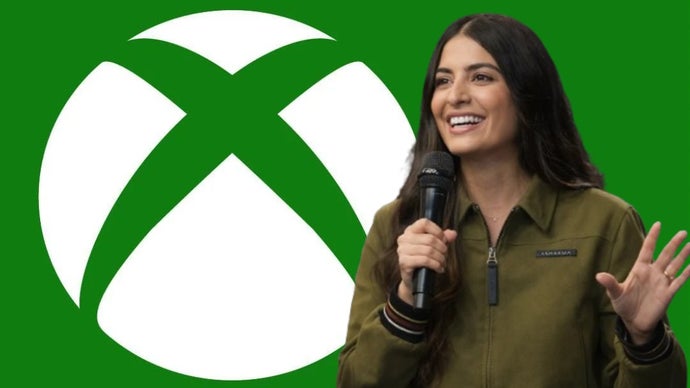
Introduction to Xbox's Strategic Shift Under New Leadership
In the evolving landscape of the gaming industry, Xbox's newly appointed CEO, Asha Sharma, has provided a glimpse into the company's future plans regarding exclusive games. This discussion stems from a company-wide memo released earlier this week, followed by a rare interview where Sharma elaborated on Xbox's direction. As of April 2026, this conversation highlights the ongoing debates about exclusivity in a market increasingly dominated by cross-platform accessibility and competition from rivals like PlayStation and PC ecosystems.
Detailed Breakdown of Sharma's Statements
Sharma's interview, conducted shortly after her appointment, focused on Xbox's commitment to adapting to industry changes. She did not outright dismiss the idea of returning to exclusive titles, which have historically been a cornerstone of Xbox's marketing strategy. Exclusive games, such as those that lock certain titles to Xbox hardware, have been pivotal in driving console sales and fostering ecosystem loyalty. In her remarks, Sharma emphasized the need for flexibility, stating that decisions would be based on market feedback and internal assessments of what benefits players and stakeholders most.
Technically, exclusivity often involves complex licensing agreements, development partnerships, and platform-specific optimizations that can enhance performance on Xbox hardware. For instance, games designed exclusively for Xbox might leverage unique features like the console's custom SSD for faster load times or integration with Xbox Cloud Gaming services. Sharma's reluctance to rule out exclusives suggests a potential strategy to balance these advantages with the growing demand for multi-platform releases, which could involve porting games to other systems after an initial exclusivity window.
Implications for the Gaming Industry
The implications of Sharma's comments extend beyond Xbox, potentially influencing broader industry trends. In 2026, with the rise of digital distribution and subscription services like Xbox Game Pass, exclusivity could play a role in retaining subscribers and differentiating offerings. If Xbox opts to reinstate exclusives, it might spur innovation in game development, encouraging developers to create titles that fully utilize Xbox's ecosystem, including its advanced AI-driven matchmaking and cross-play features—though not directly tied to AI products in this context.
From a business perspective, this approach could affect partnerships with third-party publishers and impact revenue streams. Exclusive deals have previously boosted sales for titles like those from Bethesda, now under Xbox's umbrella, by creating hype and urgency among consumers. However, in an era where players demand accessibility, a shift away from strict exclusives might foster greater collaboration across platforms, potentially leading to higher global engagement and reduced fragmentation in the player base.
Context Within the Current Gaming Ecosystem
To provide context, Xbox's strategy under Sharma must be viewed against the backdrop of recent industry developments. The gaming world in 2026 is marked by rapid advancements in cloud computing and remote play, making exclusivity less appealing to some audiences. Sharma's memo earlier in the week outlined a vision for inclusivity, aiming to expand Xbox's reach through better integration with PC and mobile devices. This aligns with efforts to compete in the e-sports arena, where cross-platform play is essential for tournaments and player participation.
While the primary source does not delve into specifics about new game reveals or e-sports integrations, Sharma's comments indirectly touch on how exclusivity could intersect with these areas. For example, if exclusive titles were to return, they might feature in major e-sports events, providing Xbox with a competitive edge. However, the interview maintains a focus on strategic uncertainty, leaving room for adaptation based on consumer trends and technological advancements.
Broader Industry Reflections
Looking ahead, the gaming community's response to Sharma's interview could shape Xbox's roadmap. Analysts in 2026 are already speculating that a return to exclusives might address declining hardware sales, but it could also risk alienating players who prefer a unified gaming experience. This situation underscores the delicate balance between innovation and accessibility, a theme prevalent in discussions about digital rights management and platform ecosystems.
In conclusion, Asha Sharma's measured approach to exclusive games reflects Xbox's adaptive strategy in a dynamic market, emphasizing player-centric decisions that could redefine the company's position in the industry. As developments unfold, stakeholders will watch closely for concrete announcements that could influence future game releases and competitive landscapes.
This article is based on factual reporting from:
www.eurogamer.net — Original Report ↗