Yemen Conflict Escalates: Saudi Oil Routes Under Renewed Threat
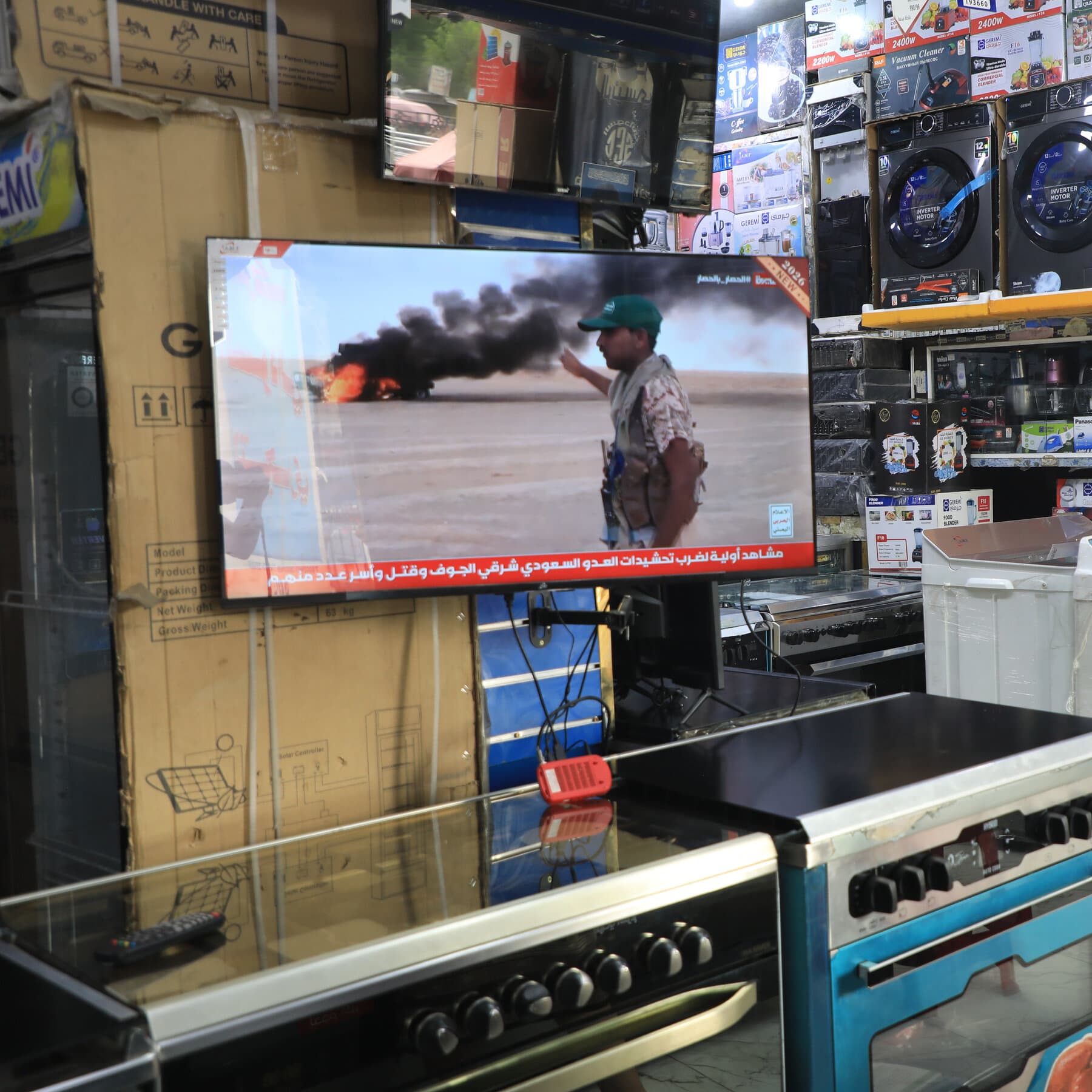
Yemen's protracted conflict is once again spiraling towards a full-scale war as clashes between Saudi Arabia and Houthi forces intensify, driven by renewed threats to vital Saudi oil-export routes. The escalation marks a significant deterioration in regional stability, prompting concerns over global energy markets and humanitarian consequences.
Yemen Conflict Escalates: Saudi Oil Routes Under Renewed Threat
Wed Sep 09 2026 – The long-standing conflict in Yemen is teetering on the brink of a return to full-scale war, as Saudi Arabia significantly steps up its military campaign against Houthi forces. This renewed offensive comes in direct response to what Riyadh perceives as an escalating threat to its critical oil-export routes, a lifeline for the global economy and a cornerstone of the Kingdom's revenue.
For years, the Yemeni conflict has seen periods of intense fighting punctuated by fragile ceasefires and de-escalation efforts. However, the current trajectory, as reported by The New York Times, indicates a dangerous shift. Saudi Arabia, viewing the Houthi movement as an Iranian proxy, has historically intervened to secure its southern border and protect vital infrastructure from cross-border attacks. The re-emergence of threats to oil-export routes suggests a Houthi capability and intent to target key economic arteries, compelling a robust Saudi military response.
The Strategic Importance of Oil Routes
Saudi Arabia is the world's largest oil exporter, and the security of its export infrastructure is paramount not only for its own economy but for global energy stability. Past incidents, including drone and missile attacks attributed to Houthi forces, have demonstrated their capacity to reach deep inside Saudi territory, targeting oil facilities and shipping lanes. The phrase "once again under threat" highlights a historical pattern, signaling that these routes have been vulnerable before and that the current situation represents a resurgence of a critical strategic challenge for Riyadh.
The specific routes under threat likely refer to both overland pipelines and maritime shipping lanes, particularly those transiting the Bab al-Mandab strait, a narrow choke point connecting the Red Sea to the Gulf of Aden. Disruptions here would have immediate and far-reaching consequences, potentially driving up global oil prices and increasing insurance costs for shipping, thus impacting international trade and economies worldwide.
Saudi Arabia's Renewed Military Campaign
The decision by Saudi Arabia to "step up its military campaign" against the Houthis indicates a shift from defensive postures or limited engagements to a more assertive and potentially expansive offensive. This could involve:
- Increased Airstrikes: Targeting Houthi command and control centers, missile and drone launch sites, and logistics networks within Yemen.
- Ground Operations: Potential incursions or intensified clashes along the Saudi-Yemen border, aimed at pushing Houthi forces further away from critical Saudi infrastructure.
- Naval Blockades: Tightening maritime surveillance and interdiction efforts to prevent the flow of arms and supplies to Houthi-controlled areas, particularly through Hodeidah port.
Such an escalation inevitably carries a high cost, both in terms of military expenditure and the potential for increased casualties on all sides. For Saudi Arabia, it represents a recommitment of resources to a conflict that has already proven protracted and costly.
Humanitarian and Regional Implications
A return to full-scale war would be catastrophic for Yemen, a nation already reeling from years of conflict, economic collapse, and what the United Nations has repeatedly called the world's worst humanitarian crisis. Millions of Yemenis face severe food insecurity, lack access to basic healthcare, and are internally displaced. Renewed heavy fighting would exacerbate these conditions, leading to:
- Increased Civilian Casualties: Heightened military operations invariably lead to greater civilian harm.
- Disruption of Aid: Access for humanitarian organizations could become even more challenging, impeding the delivery of essential supplies.
- Mass Displacement: Further waves of internal displacement as civilians flee conflict zones.
Regionally, the escalation risks drawing in other actors and destabilizing the broader Middle East. Iran, widely believed to support the Houthis, could view increased Saudi action as a direct challenge, potentially leading to proxy confrontations elsewhere. International powers, including the United States and European nations, will likely face renewed pressure to mediate a de-escalation and address the humanitarian emergency.
Outlook and International Response
The current developments suggest that diplomatic efforts to resolve the Yemeni conflict have either stalled or completely collapsed. The immediate priority for international bodies and concerned nations will be to prevent the situation from spiraling entirely out of control. Calls for restraint, renewed peace talks, and unimpeded humanitarian access are expected to intensify.
However, with Saudi Arabia's core economic interests once again directly threatened, Riyadh's resolve to neutralize the Houthi threat to its oil routes appears firm. The coming weeks will be critical in determining whether the region descends into another prolonged period of intense warfare or if international pressure can somehow forge a path back towards de-escalation, despite the profound challenges.

Elena is an investigative journalist specializing in real-life crime dossiers, forensic mysteries, and high-profile global investigations with a focus on narrative truth.
Related Stories in World News

Oil Surges to $100 After US Strikes on Iranian Tankers
Brent crude, the international benchmark for oil prices, has climbed to $100 a barrel for the first time since July, following significant military actions including US strikes on five Iranian tankers on Tuesday and ongoing Houthi attacks.

Albania Rocked by Clashes Over Trump-Linked Luxury Project
Tirana, Albania – Protesters and police clashed in Albania today amidst escalating tensions surrounding a proposed luxury hotel project linked to former U.S. President Donald Trump's son-in-law, Jared Kushner, and daughter, Ivanka Trump. The confrontations mark a significant escalation in a period of sustained public opposition that has now spanned over 100 days.

Manipur Musician's Killing Ignites Racism Debate in India
The tragic killing of a musician from Manipur in India's capital has triggered widespread outrage, thrusting the long-standing issue of racial discrimination against communities from the country's northeastern states back into the national spotlight.