ZA/UM Previews Zero Parades: For Dead Spies Sequel
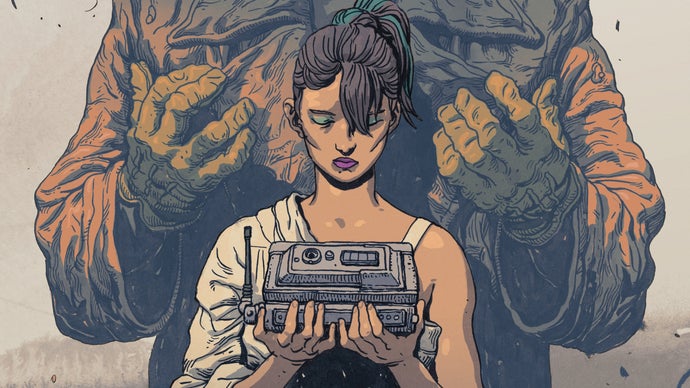
Introduction to Zero Parades: For Dead Spies
In the evolving landscape of narrative-driven RPGs, ZA/UM Studio's latest preview for Zero Parades: For Dead Spies marks a significant continuation of the acclaimed Disco Elysium series. This follow-up game delves into intricate world-building, focusing on the Bootleg Bazaar in the fictional setting of Portofiro. As of April 2026, this preview offers a glimpse into the game's thematic depth, blending elements of scrappy capitalism and cultural nostalgia in a post-Soviet inspired environment. The preview, shared via Eurogamer, highlights how the game builds on the psychological role-playing mechanics that defined its predecessor, promising players a more immersive exploration of human experiences amid decayed urban landscapes.
Detailed Breakdown of the Preview
The core of the preview centers on the Bootleg Bazaar, described as a chimera of ex-Soviet bloc organisms that have coalesced into a vibrant hub of second-hand capitalism. This setting serves as a metaphor for resilience and improvisation, where players might navigate complex social interactions and economic systems. Technically, the game appears to expand on Disco Elysium's dialogue-driven engine, potentially incorporating advanced AI-driven conversation trees—though not the focus here—with enhanced procedural generation for environmental details. For instance, the Bazaar is portrayed as a nest of makeshift stalls and barter economies, drawing from real-world inspirations like Eastern European markets, which adds a layer of authenticity to the game's world.
From a development perspective, ZA/UM seems to be refining their engine to handle more dynamic player choices, with implications for branching narratives that could affect trade, alliances, and personal growth. The preview mentions a "robust show of scrappy, second-hand capitalism," suggesting mechanics involving resource scavenging, negotiation algorithms, and possibly emergent gameplay where player decisions influence the Bazaar's evolution. This could involve sophisticated scripting that tracks player inventory, reputation, and environmental variables, making each playthrough unique in 2026's gaming standards.
- Key thematic elements: Nostalgia and cultural fusion, as seen in the Bazaar's depiction of blended histories.
- Technical innovations: Enhanced dialogue systems and procedural elements for deeper immersion.
- World-building details: References to ex-Soviet influences, providing a rich backdrop for exploration and interaction.
Implications for the Gaming Industry
This preview underscores ZA/UM's commitment to pushing narrative boundaries in AAA titles, potentially influencing 2026's RPG market by prioritizing story depth over graphical spectacle. In an era where games increasingly incorporate real-world socio-political themes, Zero Parades: For Dead Spies could set a benchmark for how developers address nostalgia and globalization. The game's focus on a problematic yet fascinating neighborly dynamic—evoked through the preview's anecdotal reference to a knife-throwing college acquaintance—hints at exploring personal and collective memories, which might resonate with players seeking meaningful content amid rising digital escapism.
From a business standpoint, this reveal could impact ZA/UM's positioning in the competitive AAA space, especially as sequels to cult hits like Disco Elysium often face high expectations. Analysts in 2026 might predict that such thematic depth could attract a dedicated fanbase, potentially leading to cross-media adaptations or expansions. The preview's emphasis on second-hand economies also aligns with current trends in sustainable gaming design, where resource management mirrors real-world environmental concerns, encouraging players to think critically about consumption and reuse.
Context and Historical Significance
To fully appreciate Zero Parades: For Dead Spies, it's essential to contextualize it within ZA/UM's history. Following the success of Disco Elysium, which revolutionized RPGs with its detective narrative and psychological depth, this sequel builds on that foundation by introducing new locales like Portofiro. The preview draws parallels to cinematic and literary influences, such as depictions of Eastern European markets in films and books, enriching the game's lore. This approach not only pays homage to the original but also adapts to 2026's gaming audience, who demand more culturally nuanced stories.
Historically, ZA/UM has been at the forefront of narrative innovation, and this preview suggests they're evolving their toolkit to include more interactive elements, such as dynamic event triggers based on player backstory. In the broader industry, this could inspire other developers to explore similar themes, fostering a wave of introspective titles that challenge players' perceptions of history and identity. As gaming continues to mature, such reveals highlight the medium's potential as a platform for social commentary.
Future Prospects and Player Engagement
Looking ahead, the full release of Zero Parades: For Dead Spies is anticipated to feature multiplayer elements or community-driven content, though the preview doesn't specify. This could enhance player engagement by allowing shared explorations of the Bazaar's intricacies, fostering online discussions and modding communities in 2026. The game's thematic exploration of nostalgia might also tie into virtual reality integrations, offering immersive experiences that blur the lines between game and reality.
In conclusion, ZA/UM's preview for Zero Parades: For Dead Spies represents a thoughtful evolution in narrative RPGs, blending technical prowess with profound storytelling. As the gaming world awaits more details, this glimpse into Portofiro's Bootleg Bazaar reaffirms the studio's dedication to creating worlds that provoke thought and emotion, solidifying their place in the 2026 AAA landscape.
This article is based on factual reporting from:
www.eurogamer.net — Original Report ↗