Désilets Vows Ancestors: The Humankind Odyssey Sequel

Patrice Désilets, the acclaimed creator behind the Assassin's Creed franchise, has officially committed to developing a sequel for his unique open-world human evolution survival title, Ancestors: The Humankind Odyssey.
Patrice Désilets Confirms Ancestors: The Humankind Odyssey Sequel
In a significant announcement for the gaming world, Patrice Désilets, the visionary creative force renowned for his foundational work on the Assassin's Creed series and the ambitious 1666: Amsterdam project, has declared his intention to develop a sequel to Ancestors: The Humankind Odyssey. This revelation, made on Mon Sep 07 2026, ignites considerable anticipation among fans and industry observers, promising a fresh iteration of the distinctive human evolution survival genre that Désilets pioneered with the original title.
The original Ancestors: The Humankind Odyssey, released in 2019, challenged conventional gaming narratives by placing players at the dawn of humanity, tasking them with guiding a hominid clan through millions of years of evolutionary progress in a prehistoric African landscape. The game eschewed traditional quest markers and explicit tutorials, instead emphasizing discovery, sensory exploration, and emergent gameplay mechanics. Players were required to learn through trial and error, evolving their species by mastering new motor skills, tool use, and social structures, all while navigating a brutal ecosystem teeming with predators and environmental hazards. This design philosophy, while lauded for its innovation and boldness, also presented a steep learning curve that divided critical and player reception.
The Technical & Design Philosophy of Ancestors
At its core, Ancestors: The Humankind Odyssey was a technical marvel in its ambition to simulate evolution. Its systems were designed to encourage experimentation:
- Neural System: A sophisticated skill tree represented the hominids' neural growth, unlocking new abilities through repeated actions and discoveries. This emergent progression system was a significant technical undertaking, attempting to model cognitive development.
- Genetic Mutation & Inheritance: The game incorporated mechanics for genetic mutation and inheritance, where beneficial traits could be passed down through generations, directly influencing the clan's survival and evolutionary trajectory. This required complex backend tracking of individual hominid attributes and their impact on the species' overall advancement.
- Open-World Environmental Simulation: The prehistoric African jungle was a dynamic ecosystem, with AI-driven predators, forageable resources, and environmental dangers that necessitated constant adaptation. The simulation aimed for a living, breathing world reactive to player actions.
- Sensory System: Rather than a traditional UI, players relied on a unique sensory system (smell, hearing, intelligence) to perceive their surroundings, adding a layer of immersive challenge and realism to the survival aspects.
A sequel, in 2026, holds the promise of significant advancements building upon these foundational concepts. With the rapid evolution of game engine capabilities and AI systems, a new Ancestors title could push the boundaries of procedural generation for environmental diversity, refine the complexity of its evolutionary mechanics, and introduce even more nuanced AI for both friend and foe. Imagine a more deeply integrated genetic system, where environmental pressures dynamically drive specific mutations, or an expanded social system reflecting more intricate hominid behaviors and inter-clan dynamics.
Implications for the Survival Genre and Beyond
The announcement of a sequel by Désilets is particularly impactful given the current landscape of the survival genre. While many titles focus on crafting and resource management, Ancestors uniquely grounded its survival in biological and cultural evolution. A follow-up could:
- Redefine Player Agency: By potentially offering more pathways for evolutionary divergence, players might have an even greater impact on the specific traits and societal structures of their evolving species.
- Enhance Accessibility: Learning from the first game's steep curve, a sequel could introduce more intuitive systems for discovery and progression without sacrificing the core challenge and sense of achievement. This might involve more sophisticated tutorialization or AI companions that subtly guide players.
- Leverage Next-Gen Capabilities: Modern hardware and development tools could allow for significantly larger, more detailed, and more dynamic open worlds, alongside more complex AI behaviors for flora and fauna, creating an even more convincing prehistoric setting. Real-time environmental destruction and reconstruction, for instance, could play a larger role in simulating geological and ecological changes over millennia.
Patrice Désilets' track record, from shaping the stealth-action genre with Assassin's Creed to attempting to innovate with 1666: Amsterdam (before its complex development history), suggests that any project he undertakes is likely to be ambitious and distinctive. His commitment to a sequel for Ancestors signals a continued dedication to exploring uncharted territories in game design, particularly in simulating complex biological and social systems within an interactive framework.
As the industry awaits further details on this ambitious project, the prospect of guiding humanity's next evolutionary leap under Désilets' direction is a compelling one. The challenges of creating a game that accurately and engagingly simulates millions of years of hominid evolution are immense, but if successful, this sequel could once again set a new benchmark for intellectual depth and player-driven narrative in the gaming world. Fans will be eagerly watching for insights into how Désilets plans to evolve the already unique mechanics of Ancestors: The Humankind Odyssey for a 2026 audience and beyond, pushing the boundaries of what an interactive evolutionary simulator can achieve.

Marcus is a veteran gaming journalist and digital security analyst with over 8 years of experience covering AAA game releases, esports infrastructure, and cybersecurity developments.
Related Stories in Gaming

Irrelevant Source for Gaming & Cybersecurity Coverage
The provided primary source, titled 'The 10 Most Important Movies Coming This Fall,' falls outside the scope of HourFeed.org's journalistic focus on cybersecurity, esports, and new game reveals. As such, a detailed report cannot be generated from this material.
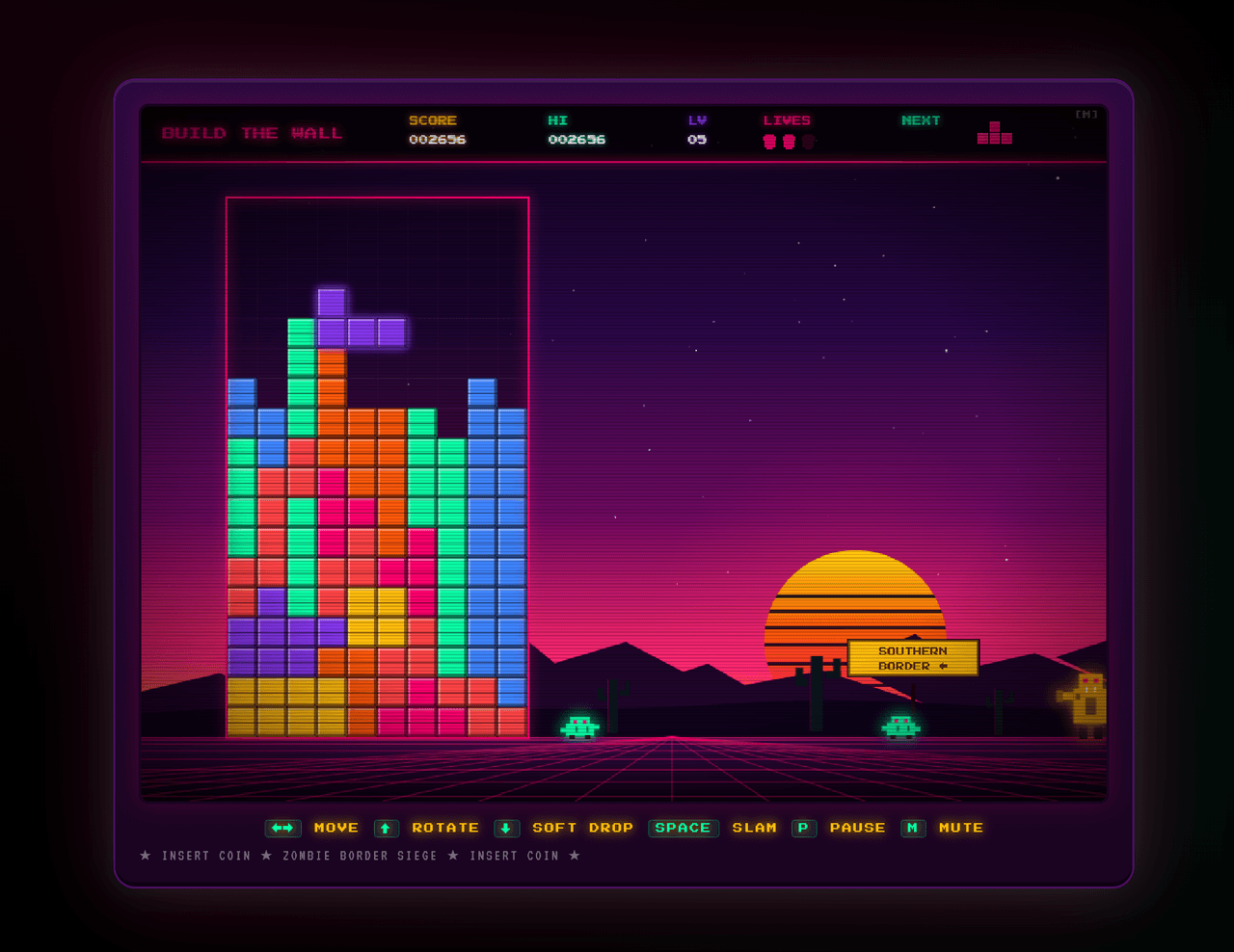
Tetris Company Denies Role in White House Rip-Off
The Tetris Company says it had no involvement in a White House project described by PC Gamer as a racist imitation of Tetris and warns that it treats copyright infringement seriously.
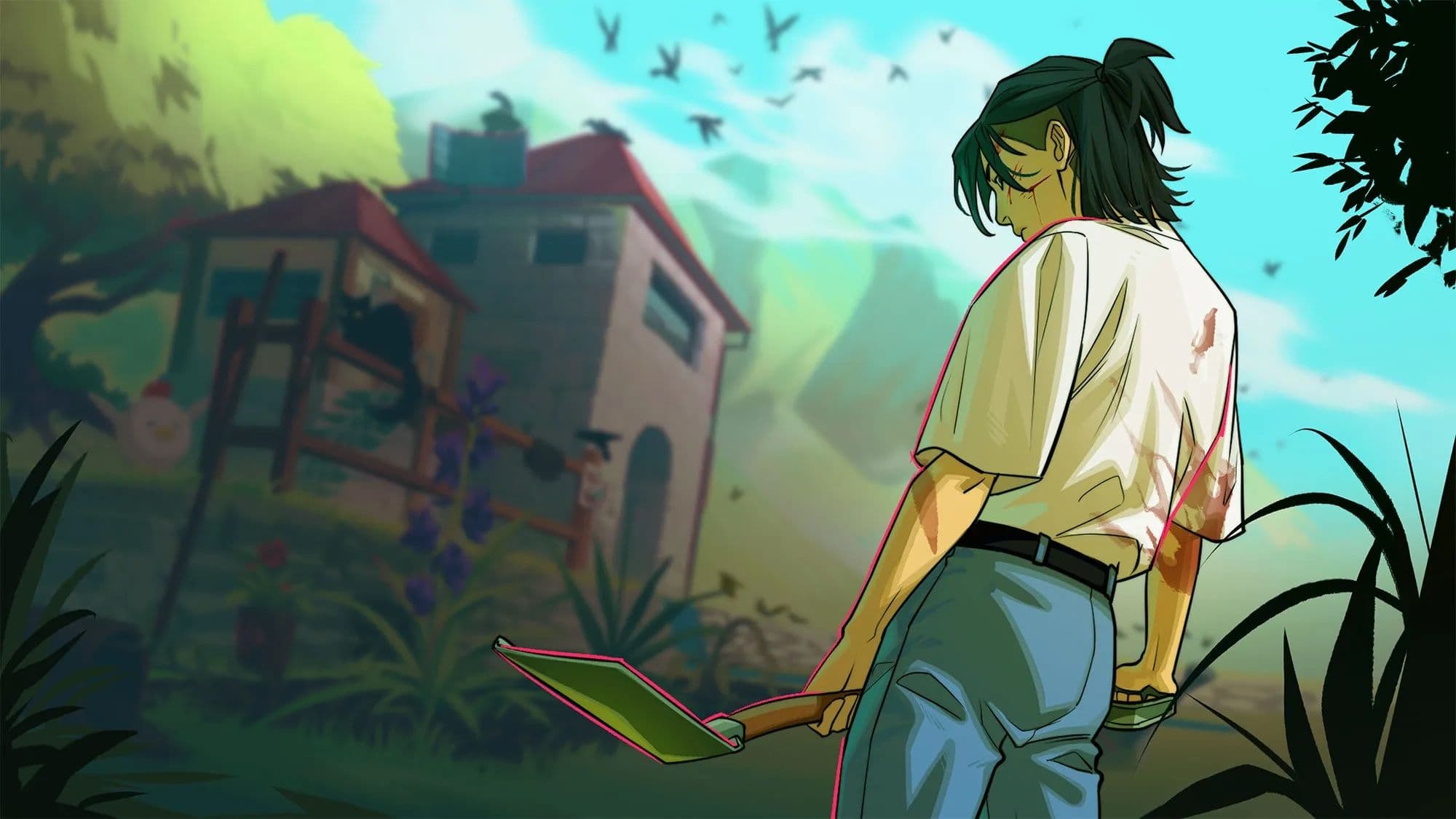
Farming Sim Genre Breaks Decade-Long Formula Stagnation
After nearly a decade defined by an established formula largely influenced by the success of Stardew Valley, the farming simulation genre is experiencing a significant revitalization with a new wave of innovative titles, signaling a profound shift in its core design principles and player engagement paradigms.