Tetris Company Denies Role in White House Rip-Off
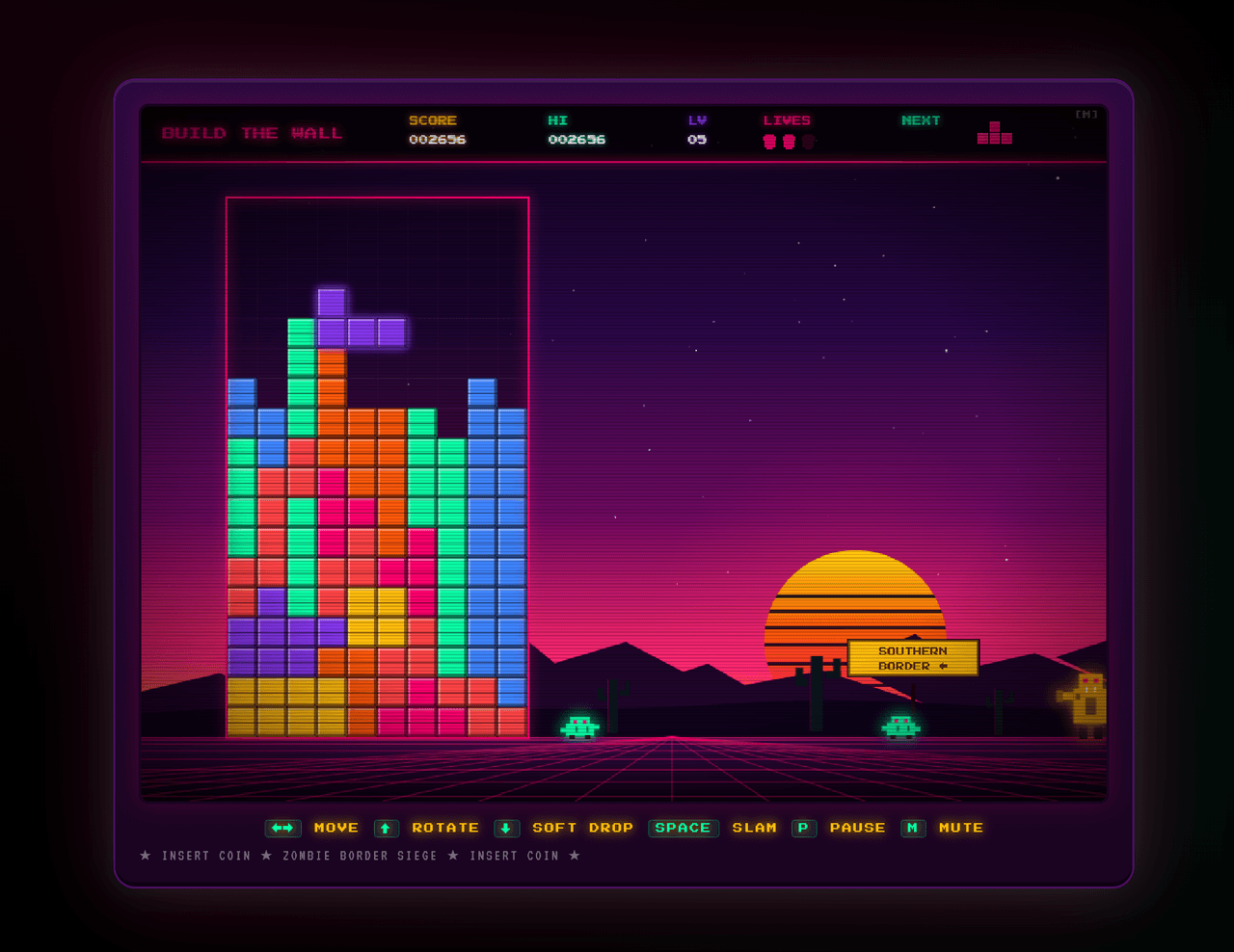
The Tetris Company says it had no involvement in a White House project described by PC Gamer as a racist imitation of Tetris and warns that it treats copyright infringement seriously.
The Tetris Company distances itself from White House project
The Tetris Company has confirmed that it had nothing to do with a White House project described by PC Gamer as a racist rip-off of the classic puzzle game. The company’s statement publicly separates the Tetris brand and its rights holders from the work while stressing its broader view of the game’s cultural purpose.
“We believe in the power of connection and bringing people together, not dividing them,” the company said, according to the report. It also added: “We take copyright infringement very seriously.”
A clear denial of authorization or involvement
The statement is significant because it addresses two distinct issues: the company’s relationship to the project and the potential use of protected Tetris elements. The Tetris Company’s confirmation that it was not involved indicates that the White House project was not presented with the company’s participation or endorsement, based on the information in the source report.
The company did not merely remain silent. By issuing a direct denial, it established a public record that it was not connected to the project. That distinction matters for a globally recognized game whose name, visual identity, and core presentation are closely associated with its rights holder.
The wording also signals that the issue is not being treated as an ordinary unofficial tribute or fan-made variation. The company’s explicit warning that it takes copyright infringement seriously points to the possibility of rights-related scrutiny, although the source does not report a lawsuit, takedown demand, settlement, or other formal legal action.
Why the response matters for the Tetris brand
Tetris is built around a highly recognizable identity: falling geometric pieces, a grid-based playfield, and a simple ruleset that has been adapted across generations of hardware and software. Any unauthorized project that imitates those recognizable features can create confusion about whether the official brand approved, licensed, or participated in the work.
That risk is amplified when the project is associated with a major public institution. A connection to the White House could give an unofficial product or presentation additional visibility and authority, even if no formal relationship exists. The Tetris Company’s response therefore functions as both a clarification for the public and a defense of the boundaries surrounding its intellectual property.
The company’s reference to connection and bringing people together also addresses the reported content of the imitation. Rather than focusing only on ownership, the statement frames the Tetris brand as incompatible with messaging intended to divide people. That makes the response both a brand-positioning statement and a rejection of the reported project’s underlying characterization.
Legal and industry implications
Copyright protection generally concerns original expressive elements, while trademarks and related branding rights can govern the use of names, logos, and other identifiers. The source does not specify which elements the company believes may have been infringed, nor does it outline the legal theory behind its warning. It is therefore not possible from the reported statement alone to determine whether the company considers the matter a copyright dispute, a trademark issue, or both.
For developers, publishers, and public institutions, the episode underscores the importance of securing authorization before using a recognizable commercial game’s branding or distinctive presentation. A disclaimer issued after publication cannot substitute for a license or approval obtained in advance. It also shows why rights holders may respond quickly when an unofficial adaptation could be mistaken for an official collaboration.
As of the report, The Tetris Company’s position is clear: it was not involved in the White House project, it rejects the divisive message attributed to the imitation, and it considers copyright infringement a serious matter. No further enforcement action has been reported in the source.

Marcus is a veteran gaming journalist and digital security analyst with over 8 years of experience covering AAA game releases, esports infrastructure, and cybersecurity developments.
Related Stories in Gaming
Farming Sim Genre Breaks Decade-Long Formula Stagnation
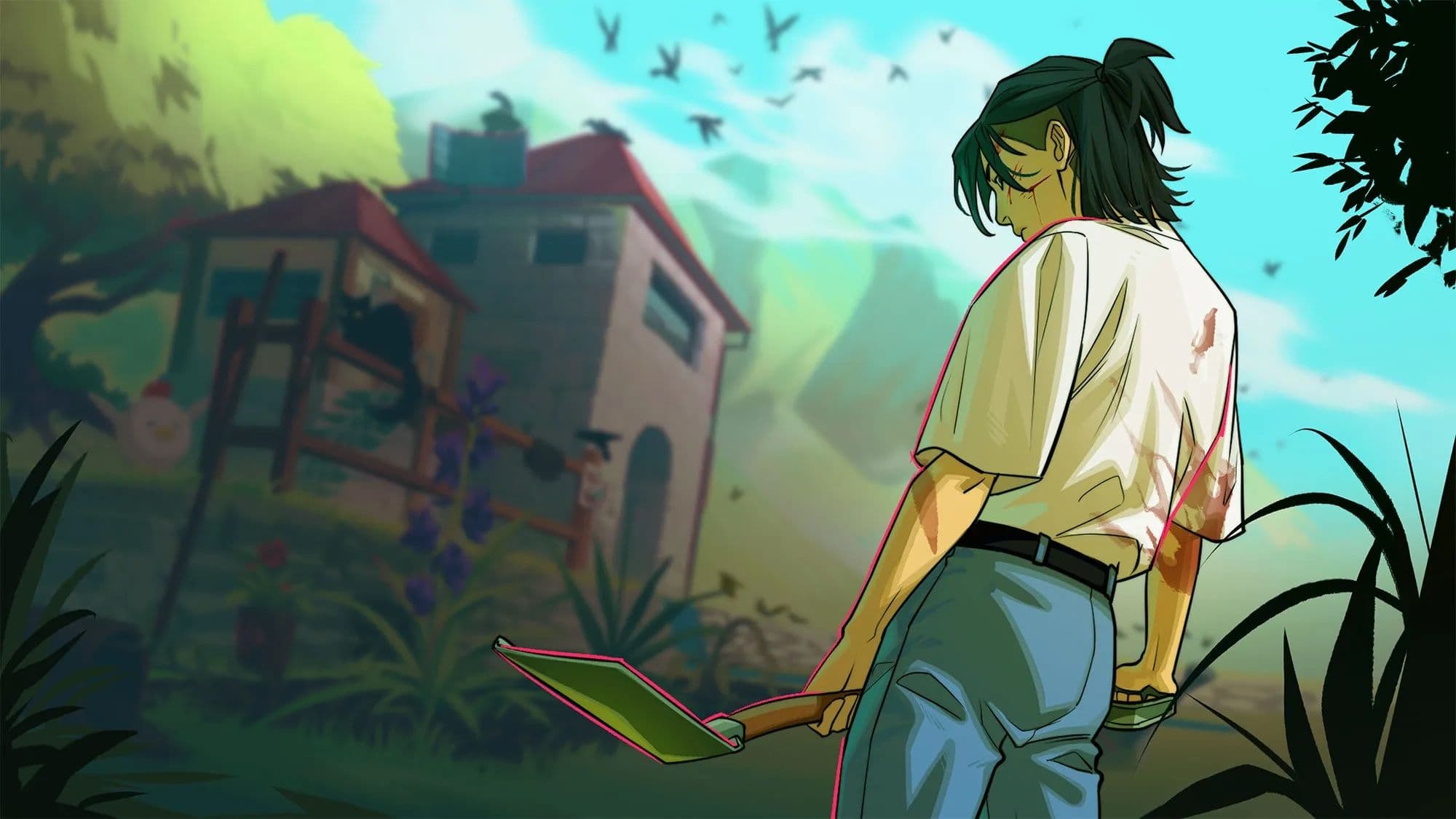
After nearly a decade defined by an established formula largely influenced by the success of Stardew Valley, the farming simulation genre is experiencing a significant revitalization with a new wave of innovative titles, signaling a profound shift in its core design principles and player engagement paradigms.

Digital Puzzle Obsession: Thriller's Theme Echoes Cyber Risks
The 2018 mystery thriller 'Under the Silver Lake,' now freely available on streaming platforms eight years after its initial release, highlights a fictional narrative of obsessive puzzle-solving that mirrors complex challenges within digital forensics and advanced cybersecurity threat analysis.
Dawnwalker's Bold Design Reimagines Open-World Pacing
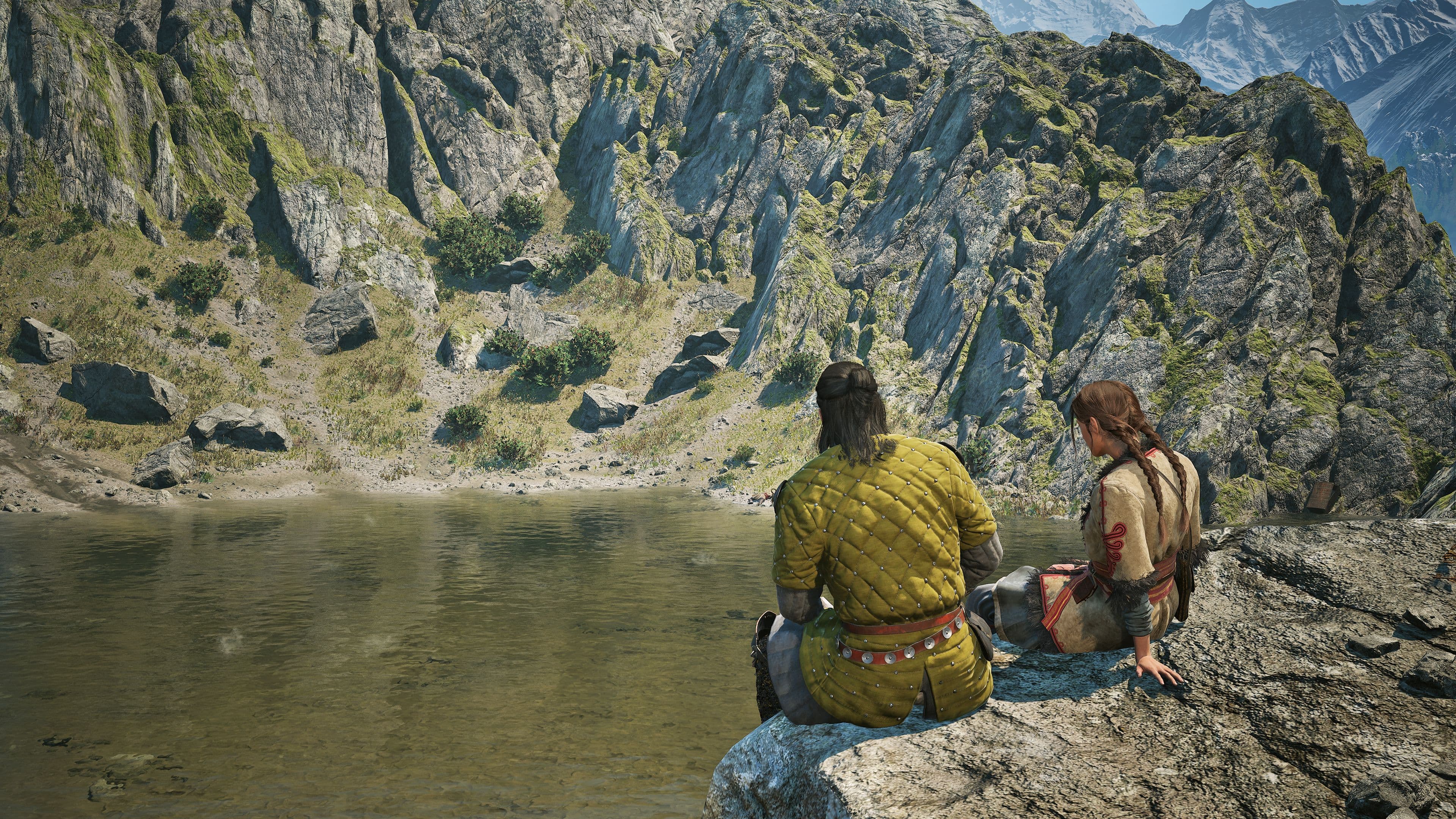
In a significant departure from traditional open-world design paradigms, the highly anticipated title, The Blood of Dawnwalker, is set to revolutionize player engagement by implementing a novel mechanic that actively compels players to confront its final boss, directly addressing the pervasive issue of main quest procrastination in sprawling game environments.