Infantino Tells Critics: 'Meditate, Pray, or Watch Football'
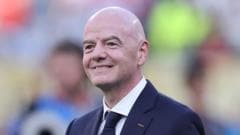
FIFA President Gianni Infantino has issued a defiant message to his detractors, urging them to 'meditate, pray or watch a football match' instead of 'spreading hate and false rumours' about him and the World Cup.
FIFA President Gianni Infantino's Scathing Rebuke to Critics
In a move that underscores the ongoing tension between football's global governing body and its persistent critics, FIFA President Gianni Infantino has delivered a pointed message, suggesting his detractors should 'meditate, pray or watch a football match' rather than 'spreading hate and false rumours' concerning him and the prestigious World Cup tournament. The remarks, made on Monday, July 27, 2026, reflect a growing frustration from the top of international football with the relentless scrutiny faced by FIFA's leadership and its marquee event.
Infantino's statement comes at a pivotal time for global football. With the 2026 FIFA World Cup in North America rapidly approaching, the spotlight on the organization's governance, ethical standards, and the broader impact of its tournaments has intensified. While the controversies surrounding the 2022 Qatar World Cup, particularly regarding human rights and environmental concerns, have somewhat receded, the legacy of those debates continues to influence public perception and media scrutiny of FIFA's future endeavors.
The Context of Persistent Criticism
For years, FIFA has been a magnet for criticism, ranging from allegations of corruption and lack of transparency to concerns over the environmental and social impacts of its host selections. Gianni Infantino, who assumed the presidency in 2016 following a period of unprecedented scandal, has consistently championed a narrative of reform and progress within the organization. However, his tenure has also been marked by controversy, particularly his staunch defense of the Qatar World Cup and his often-combative stance against those who question FIFA's decisions.
Critics often point to the immense wealth generated by the World Cup and the perceived lack of accountability in how these revenues are managed and distributed. Human rights organizations, environmental activists, and even some football federations have frequently voiced concerns over host nations' records and the substantial carbon footprint left by global tournaments. Infantino's latest remarks appear to be a direct response to this sustained pressure, framing it as 'hate and false rumours' rather than legitimate inquiry or constructive criticism.
A Familiar Defiance
This is not the first instance where Infantino has adopted a defiant tone when addressing critics. During the build-up to the Qatar World Cup, he famously delivered a lengthy monologue, accusing Western critics of hypocrisy and moral superiority. His current call for 'meditation' or 'prayer' can be interpreted as an attempt to shift the focus away from the substance of the criticisms and onto the perceived negativity of the critics themselves. By suggesting alternatives like 'watching a football match,' he subtly steers the conversation back to the sport's unifying power, an argument frequently deployed by FIFA to deflect external pressures.
The timing of this statement is crucial. As preparations for the 2026 World Cup in the United States, Canada, and Mexico accelerate, attention will once again turn to the logistical, financial, and ethical dimensions of hosting such a massive event. While these nations generally have stronger human rights records than some previous hosts, questions about infrastructure costs, fan accessibility, environmental sustainability, and the commercialization of the sport will undoubtedly arise. Infantino's preemptive strike could be seen as an attempt to inoculate FIFA against renewed rounds of criticism before they gain significant traction.
Implications for FIFA's Public Image
Infantino's rhetoric raises important questions about FIFA's approach to public relations and its relationship with external stakeholders. While some within the football community might appreciate a strong defense of the organization, others, particularly those advocating for greater transparency and social responsibility, may view his comments as dismissive and unhelpful. Such statements risk alienating segments of the public and media who believe that scrutiny of powerful organizations like FIFA is essential for accountability and progress.
The global appeal of football is undeniable, and the World Cup remains its crown jewel. However, the governance of the sport continues to be a contentious issue. Infantino's latest intervention highlights the ongoing struggle between FIFA's desire to control its narrative and the persistent demands from various quarters for greater openness and ethical conduct. Whether his call for introspection among his critics will quell dissent or merely fuel further debate remains to be seen, but it certainly ensures that the spotlight on FIFA's leadership will continue to burn brightly as the football world looks towards 2026.

Liam covers international football, Premier League tactical analysis, cricket tournaments, and athletic wellness trends with a data-centric perspective.
Related Stories in Football
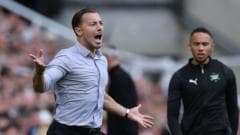
Jaissle Questions Touchline Booking Discrepancy
Newcastle United head coach Matthias Jaissle has openly challenged the consistency of refereeing decisions regarding touchline conduct, expressing frustration after receiving a booking he believes was unwarranted compared to the animated behaviour of rival managers. He feels the application of rules on the sidelines is inconsistent.
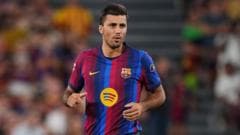
Barcelona’s Rodri Apologises to Valencia Over ‘Weak’ Remark
Barcelona midfielder Rodri has apologised to the entire Valencia squad after television cameras appeared to catch him describing the La Liga strugglers as “very weak”.
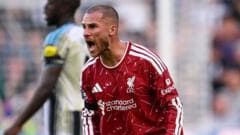
Mac Allister's Contract Comments Divide Liverpool Faithful
Liverpool midfielder Alexis Mac Allister has ignited a passionate debate among the club's fanbase following recent public remarks concerning his current contract, with opinions sharply divided on the implications of his statements.