Untouched Chimu Tombs Found in Peru Hailed as Decade's Discovery
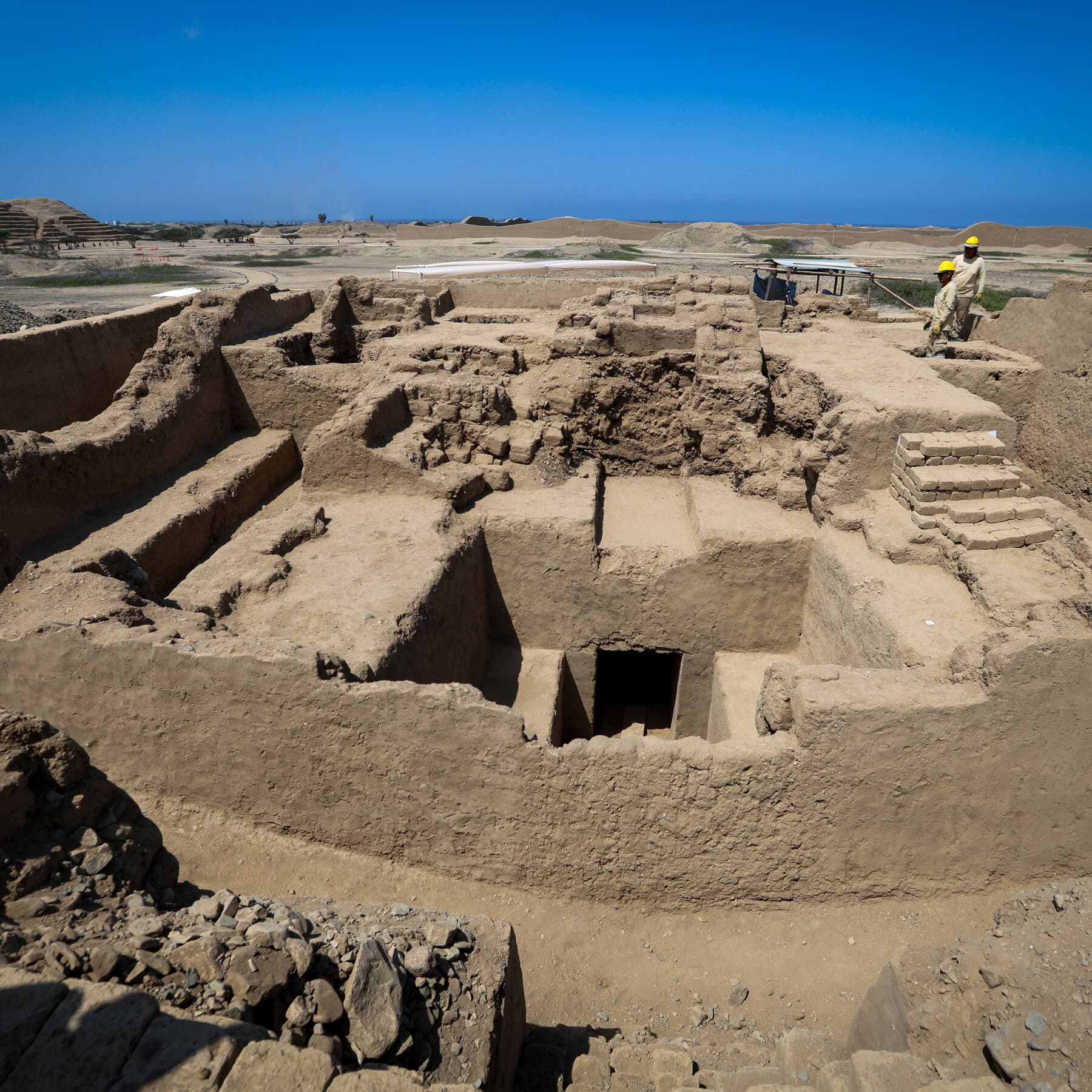
Archaeologists in Peru have unearthed a series of ancient Chimu tombs, remarkably preserved and untouched by centuries of looting, a find described by one expert as “the discovery of the decade.” The intact burials represent the first such discovery from the powerful pre-Inca kingdom, offering an unprecedented window into Chimu civilization.
Historic Discovery Reshapes Chimu Archaeology
In a groundbreaking archaeological revelation, a series of ancient Chimu tombs have been discovered beneath the shifting sands of Peru, presenting an extraordinary and unparalleled opportunity for researchers. Unlike countless other sites that have fallen victim to illicit plundering over centuries, these newly found burials remain entirely untouched, preserving a pristine snapshot of the Chimu kingdom's sophisticated culture and funerary practices. The significance of this find has been underscored by a leading archaeologist, who lauded it as “the discovery of the decade,” emphasizing its critical role in filling long-standing gaps in our understanding of this pre-Inca civilization.
The Chimu kingdom, which flourished on the northern coast of Peru from approximately 900 to 1470 AD, was one of the largest and most powerful empires in the Americas before its eventual conquest by the Inca. Despite its historical prominence, much of our knowledge about the Chimu has been painstakingly pieced together from heavily looted sites, leaving many questions unanswered and a fragmented picture of their societal structure, religious beliefs, and daily lives. The intact nature of these newly discovered tombs promises to revolutionize Chimu studies, providing direct, unadulterated evidence that has long been sought.
A Window into an Unspoiled Past
The absence of disturbance by grave robbers means that the tombs are expected to contain a full complement of artifacts, human remains, and organic materials exactly as they were placed at the time of burial. This level of preservation is exceedingly rare for Chimu sites, where the rich grave goods often attracted looters, leading to the destruction of context and the loss of invaluable information. Researchers anticipate finding:
- Intact Human Remains: Allowing for advanced bioarchaeological analysis, including DNA studies, dietary reconstruction, health assessments, and isotopic analysis to determine origins and migration patterns.
- Unaltered Grave Goods: A complete array of ceramics, textiles, metalwork (gold, silver, copper alloys), wooden objects, and shell ornaments, providing insights into Chimu artistry, craftsmanship, and social stratification.
- Preserved Organic Materials: Textiles, feathers, food offerings, and plant remains, which typically degrade rapidly or are destroyed by looters, can offer unprecedented details about ritual practices, agricultural systems, and environmental conditions.
- Contextual Information: The precise placement of objects relative to the deceased and within the tomb structure will reveal complex ritual sequences and belief systems.
The meticulous excavation process, which is expected to span several years, will employ the latest archaeological techniques to ensure every detail is recorded. This includes 3D mapping, advanced imaging, and careful environmental controls to prevent degradation once the materials are exposed to the atmosphere.
Implications for Chimu Scholarship and Peruvian Heritage
The discovery holds profound implications not only for academic scholarship but also for Peru's cultural heritage. It offers an opportunity to present the Chimu kingdom to the world in a more complete and nuanced manner, moving beyond interpretations based solely on plundered remnants. The insights gained could redefine our understanding of:
- Social Hierarchy: The types and quantities of grave goods, alongside the burial arrangements, will offer direct evidence of social status and power structures within Chimu society.
- Religious Beliefs and Rituals: The iconography on artifacts, the positioning of bodies, and offerings will shed light on their cosmology, deities, and funerary rites.
- Economic Networks: Exotic materials found within the tombs could indicate extensive trade routes and resource acquisition strategies employed by the Chimu.
- Artistic Evolution: A comprehensive collection of artifacts will allow for a more precise dating and stylistic analysis of Chimu art forms, tracing their development and influences.
This find also serves as a powerful reminder of the ongoing struggle against the illicit trade of antiquities. While many archaeological sites globally continue to be ravaged by looters, the discovery of these untouched Chimu tombs provides a beacon of hope, demonstrating the immense value of intact historical contexts. Peruvian authorities are expected to heighten security measures around the excavation site and potentially implement new strategies to protect other vulnerable archaeological zones across the country.
Looking Ahead: A Decade of Research and Revelation
The initial phase of the project will focus on detailed documentation and the careful removal of artifacts for conservation and laboratory analysis. Public access to the site is likely to be restricted for the foreseeable future to ensure the integrity of the ongoing work. However, the eventual exhibition of these treasures and the dissemination of research findings are anticipated to draw global attention and significantly boost cultural tourism to Peru, offering a deeper appreciation of its rich pre-Columbian history.
This discovery marks a pivotal moment in Peruvian archaeology, promising to unveil secrets that have remained buried for over half a millennium. The meticulous work of archaeologists over the coming years will undoubtedly rewrite chapters of Chimu history, offering an unprecedented and invaluable understanding of one of ancient America's most formidable civilizations. The world now awaits the revelations that these pristine tombs are poised to deliver, solidifying their status as truly the discovery of the decade.

Elena is an investigative journalist specializing in real-life crime dossiers, forensic mysteries, and high-profile global investigations with a focus on narrative truth.
Related Stories in World News

August 2026 Was Earth’s Hottest Month on Record
The European climate service Copernicus said Earth experienced its hottest August on record, with scientists attributing the heat surge mainly to human-caused climate change.
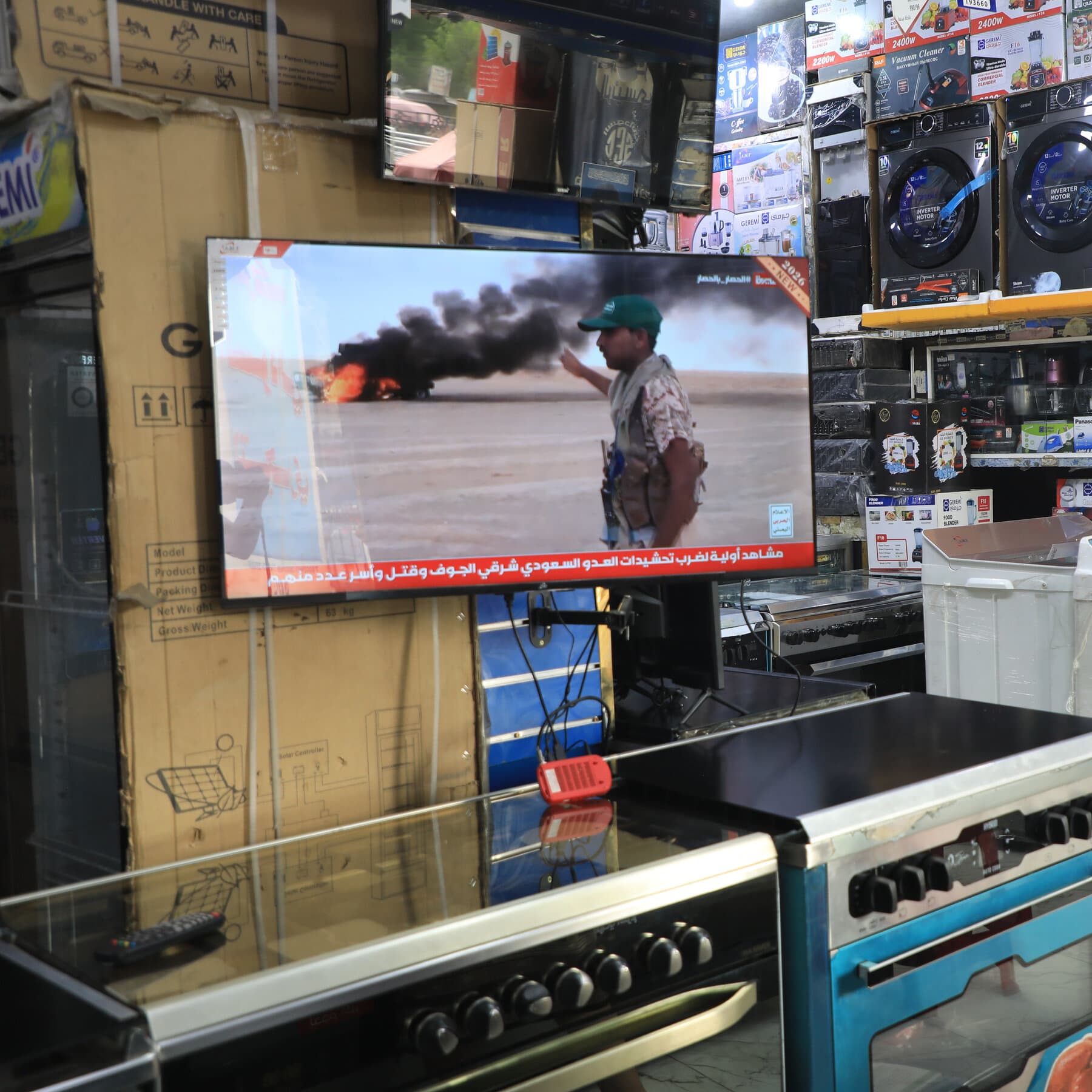
Yemen Conflict Escalates: Saudi Oil Routes Under Renewed Threat
Yemen's protracted conflict is once again spiraling towards a full-scale war as clashes between Saudi Arabia and Houthi forces intensify, driven by renewed threats to vital Saudi oil-export routes. The escalation marks a significant deterioration in regional stability, prompting concerns over global energy markets and humanitarian consequences.

Oil Surges to $100 After US Strikes on Iranian Tankers
Brent crude, the international benchmark for oil prices, has climbed to $100 a barrel for the first time since July, following significant military actions including US strikes on five Iranian tankers on Tuesday and ongoing Houthi attacks.