U.S.-Saudi Nuclear Deal Fuels Global Proliferation Fears

A recently concluded nuclear cooperation agreement between the United States and Saudi Arabia has triggered significant apprehension across international capitals, raising concerns that it could usher in an era of loosened global nuclear non-proliferation standards.
U.S.-Saudi Deal Ignites Global Nuclear Hedging Debate
The recent nuclear cooperation agreement between the United States and Saudi Arabia, finalized just weeks ago, has sent ripples of concern through geopolitical circles, prompting fears of a significant shift towards a more permissive global nuclear landscape. Analysts and policymakers worldwide are now grappling with the potential for this deal to unravel decades of non-proliferation efforts, as nations in Europe, Asia, and the Middle East increasingly explore their own pathways to nuclear capabilities.
The core of the apprehension stems from the perception that the U.S.-Saudi arrangement could set a precedent, signaling a less stringent approach to nuclear technology transfer and oversight. For many, this comes at a time when a 'receding Washington' is seen as less committed to its traditional role as a global security guarantor, compelling allies and strategic partners to seek greater self-reliance, including through nuclear means. This perceived vacuum, coupled with the rising assertiveness of various regional powers, is driving a new wave of 'nuclear hedging' strategies.
A New Era of Nuclear Ambition in Europe and Asia
In Europe, the deal has rekindled debates about strategic autonomy and nuclear deterrence in the face of persistent security challenges. With Russia's continued aggression casting a long shadow, some European nations, particularly those on the continent's eastern flank, are reportedly re-evaluating their long-term energy security and defense postures. While full nuclear weaponization remains a distant prospect for most, the pursuit of advanced civilian nuclear programs with dual-use potential, such as indigenous uranium enrichment and spent fuel reprocessing capabilities, is gaining traction. The U.S.-Saudi deal, if perceived as lowering the bar for such transfers or capabilities, could accelerate these ambitions, potentially leading to a fragmentation of existing European non-proliferation consensus.
Similarly, in Asia, the U.S.-Saudi agreement is being closely watched, particularly by nations grappling with the rise of China and the ongoing nuclear threat posed by North Korea. Countries like South Korea and Japan, long under the U.S. nuclear umbrella, have periodically debated the merits of developing their own advanced nuclear fuel cycle capabilities. The perception of Washington's shifting priorities or a less predictable security commitment could embolden these discussions. Other regional powers, wary of a potential arms race, might also feel compelled to explore similar options, thus destabilizing a region already fraught with complex security dilemmas.
Middle East Dynamics: A Proliferation Cascade?
The most immediate and acute concerns revolve around the Middle East, a region already characterized by deep-seated rivalries and a volatile security environment. Saudi Arabia's pursuit of nuclear energy, now with U.S. backing, is widely interpreted as a strategic move to hedge against Iran's nuclear program and assert its regional influence. While the specifics of the U.S.-Saudi deal regarding enrichment and reprocessing capabilities remain under intense scrutiny, the very act of the agreement has sent a clear signal to other regional players.
There is a tangible fear that this could trigger a proliferation cascade, with states like Egypt and Turkey, both significant regional powers with their own strategic ambitions, feeling pressured to develop or acquire similar nuclear capabilities. The delicate balance of power in the Middle East, already strained by proxy conflicts and ideological divides, could be further destabilized by a regional nuclear arms race, increasing the risk of miscalculation and conflict. The 'hedging' strategy, intended by some to enhance security, could paradoxically lead to greater insecurity for all involved.
Erosion of Global Non-Proliferation Norms
At the heart of the international alarm is the potential erosion of the global non-proliferation regime, primarily anchored by the Non-Proliferation Treaty (NPT). The NPT, which seeks to prevent the spread of nuclear weapons while promoting peaceful nuclear energy, relies heavily on the commitment of nuclear-weapon states to uphold its principles and prevent proliferation. If major powers are seen to be making concessions or setting less stringent standards for non-nuclear-weapon states, it could undermine the treaty's credibility and the incentives for states to remain non-nuclear.
A 'freewheeling era' for nuclear technology implies a world where the barriers to acquiring sensitive nuclear capabilities are significantly lowered, leading to a greater number of states possessing the latent ability to develop nuclear weapons. Such a scenario would dramatically increase the risks of nuclear theft, terrorism, and accidental or intentional use, fundamentally altering the global security landscape. The U.S.-Saudi deal, therefore, is not merely a bilateral agreement but a pivotal moment that could redefine the future of nuclear arms control and international stability, demanding a concerted and renewed effort from the international community to reinforce non-proliferation norms.

Elena is an investigative journalist specializing in real-life crime dossiers, forensic mysteries, and high-profile global investigations with a focus on narrative truth.
Related Stories in World News

Dozens Feared Trapped After Delhi Hostel Collapse
A five-storey hostel in Delhi has reportedly collapsed, with as many as 50 individuals believed to have been inside the building at the time of the incident, sparking a massive rescue operation on Sunday, September 6, 2026.

Hungary Launches Probe to Recover Billions From Old Regime
Hungary's new prime minister has pledged to recover billions allegedly stolen or diverted under the previous administration as a new super authority prepares to begin its work.
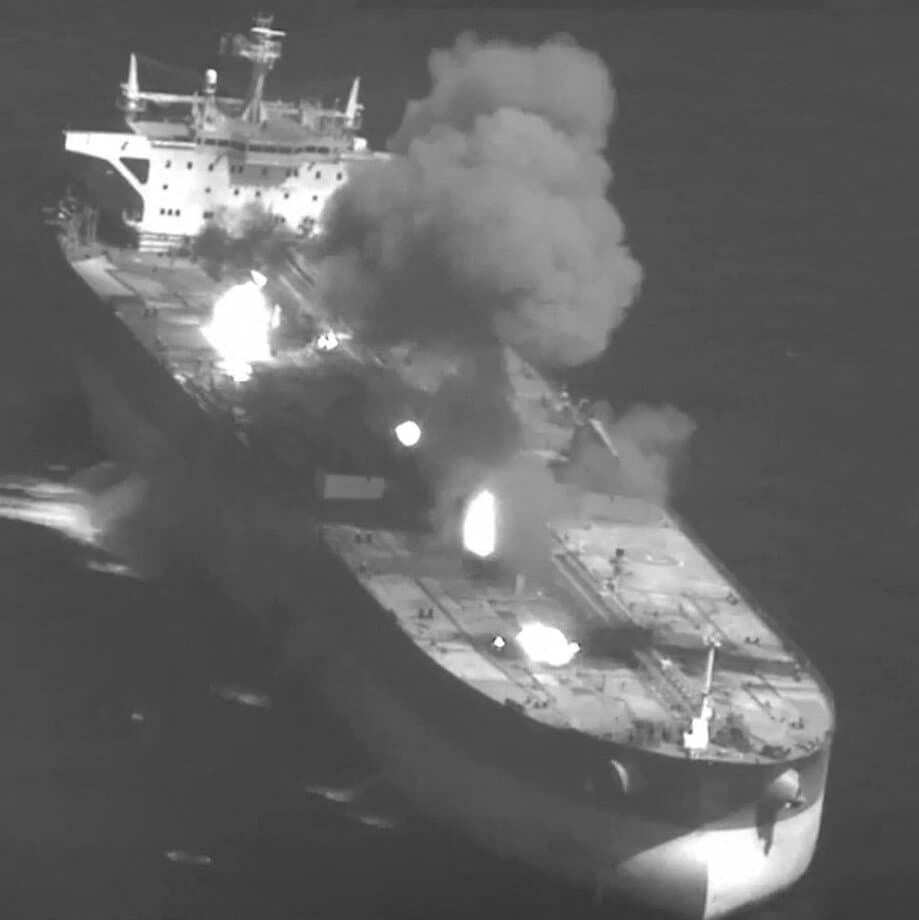
U.S. Strikes Iranian 'Shadow Network' Tankers Amid Escalation
The U.S. military confirmed Saturday, September 5, 2026, that it launched retaliatory strikes against three Iranian 'shadow network' oil tankers, asserting the action came in response to recent Iranian missile attacks on two U.S. warships following weeks of intense exchanges of fire.